Prague

A Day on Our Own
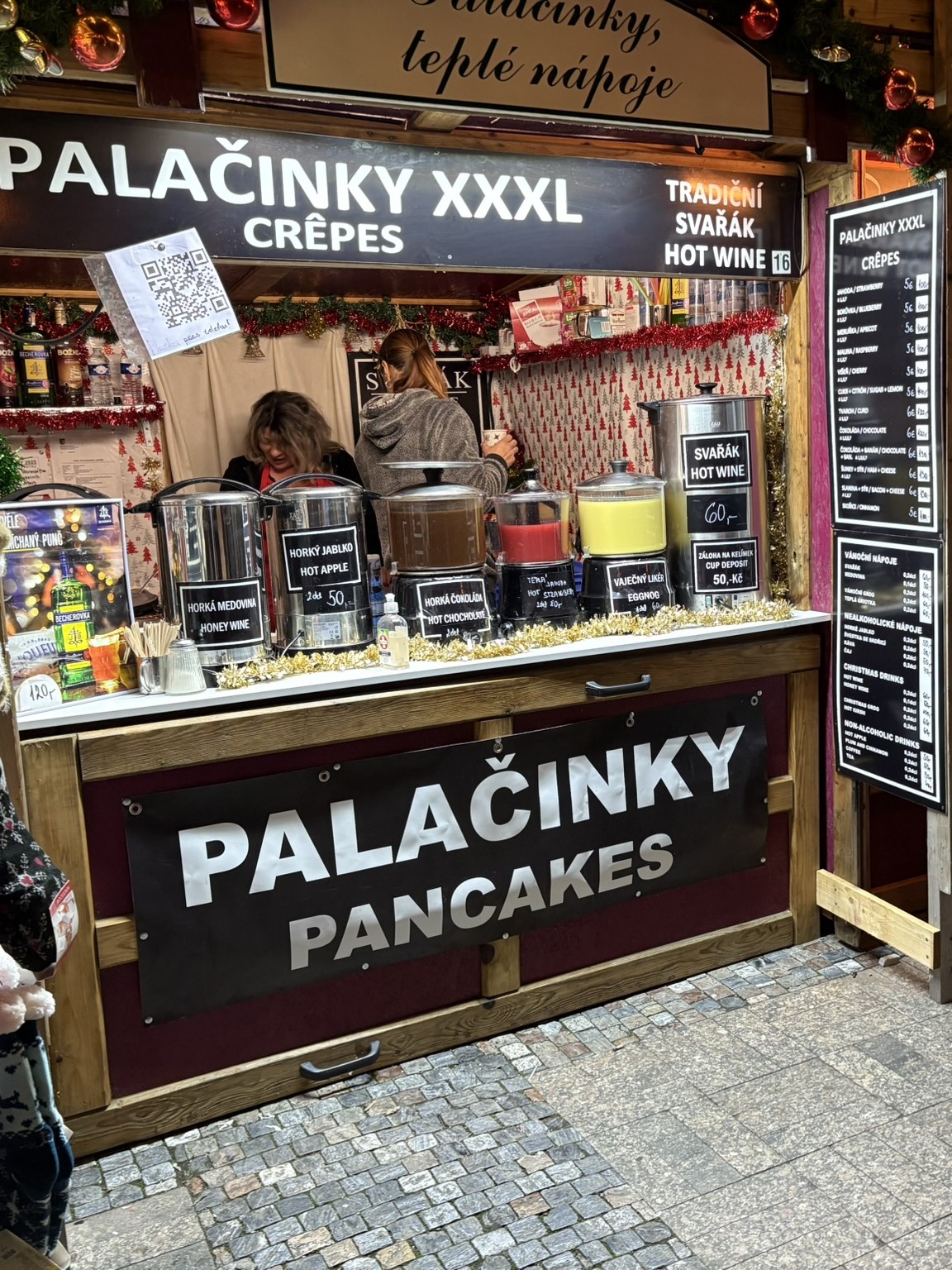
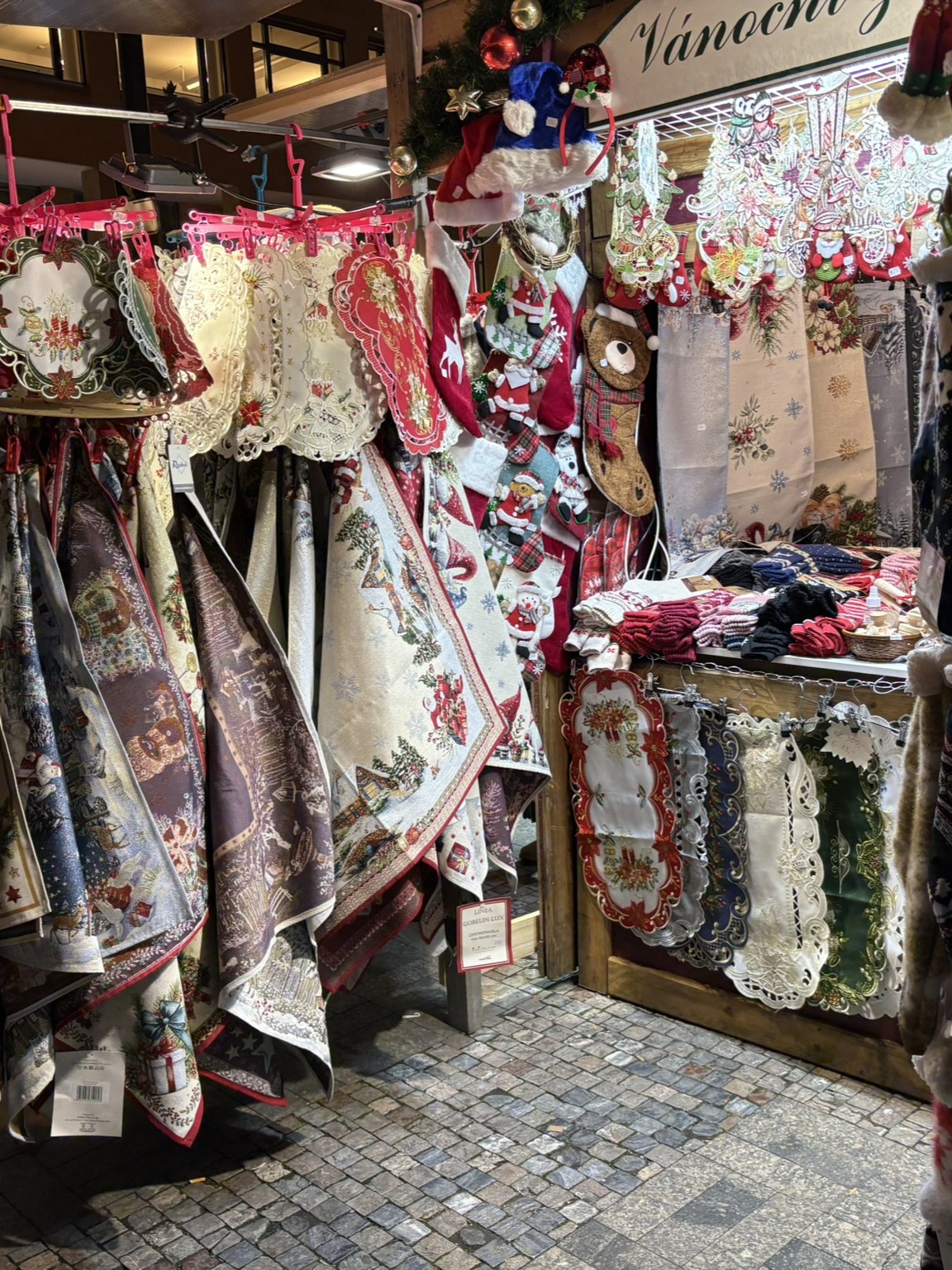
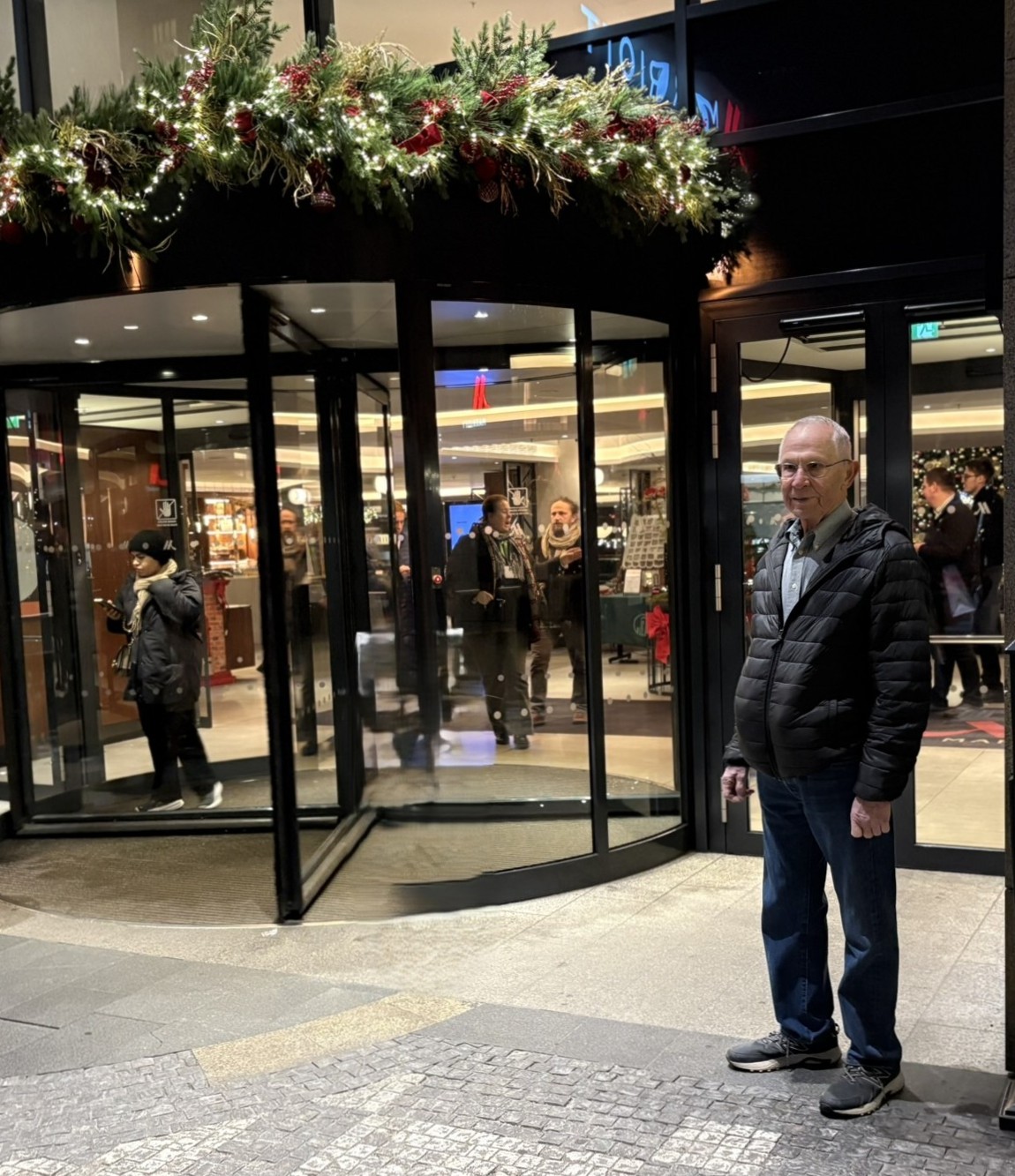
After the exhausting flight from Austin to Prague, it wasn’t surprising that we overslept and missed our scheduled morning excursion. That left us with a free day, so with only a vague plan in mind we left the hotel and headed toward Old Town. Just a block away we came across a small Christmas market—an unexpected find, and as it turned out, one of our favorites.
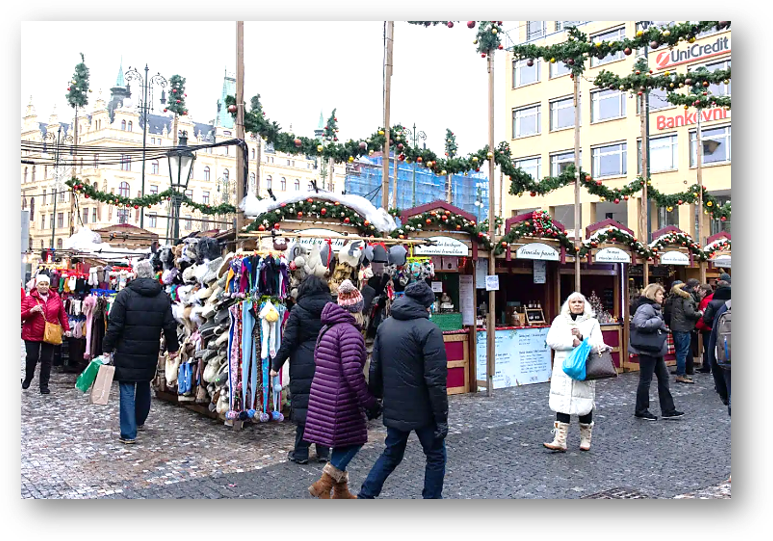
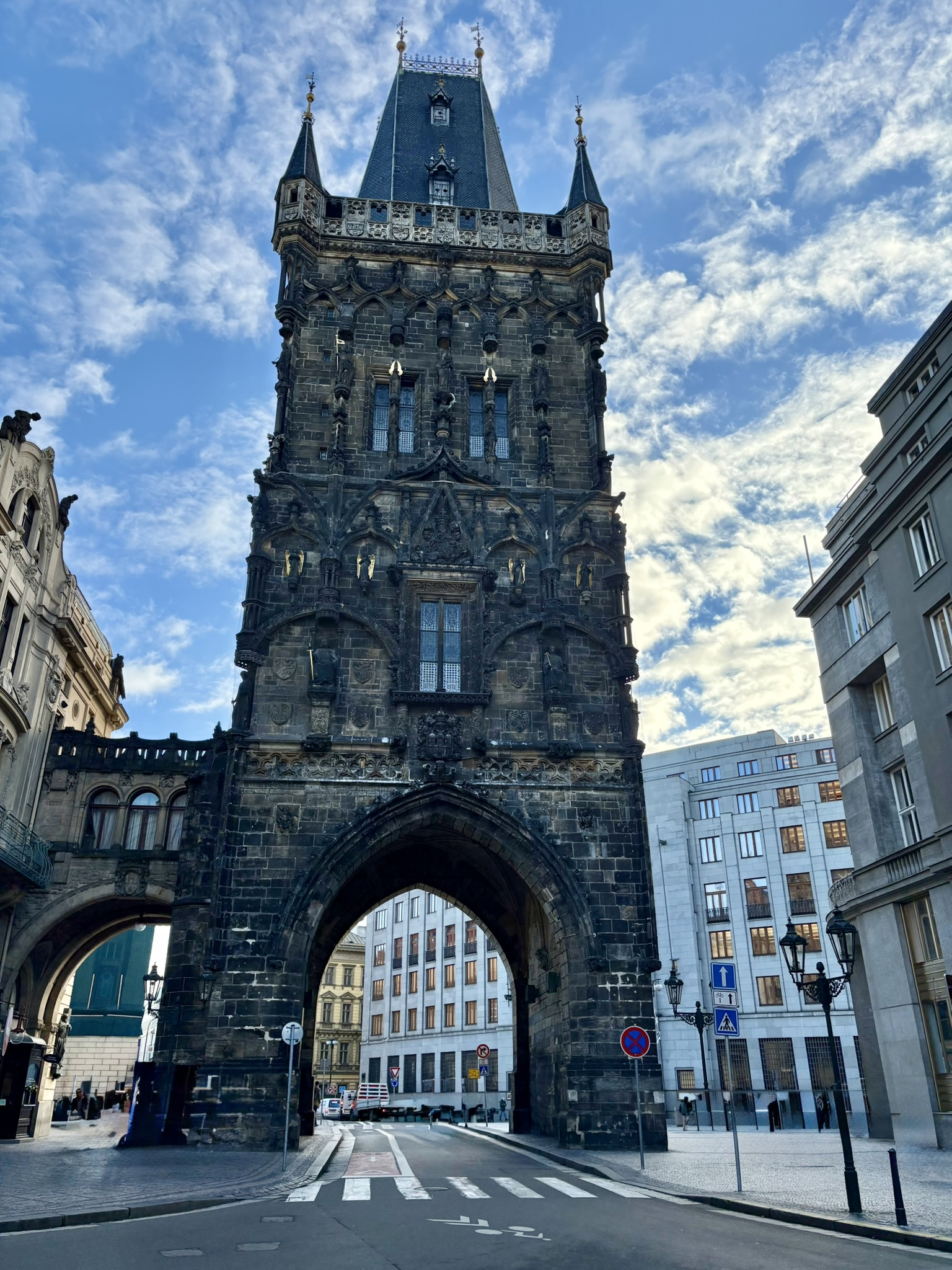
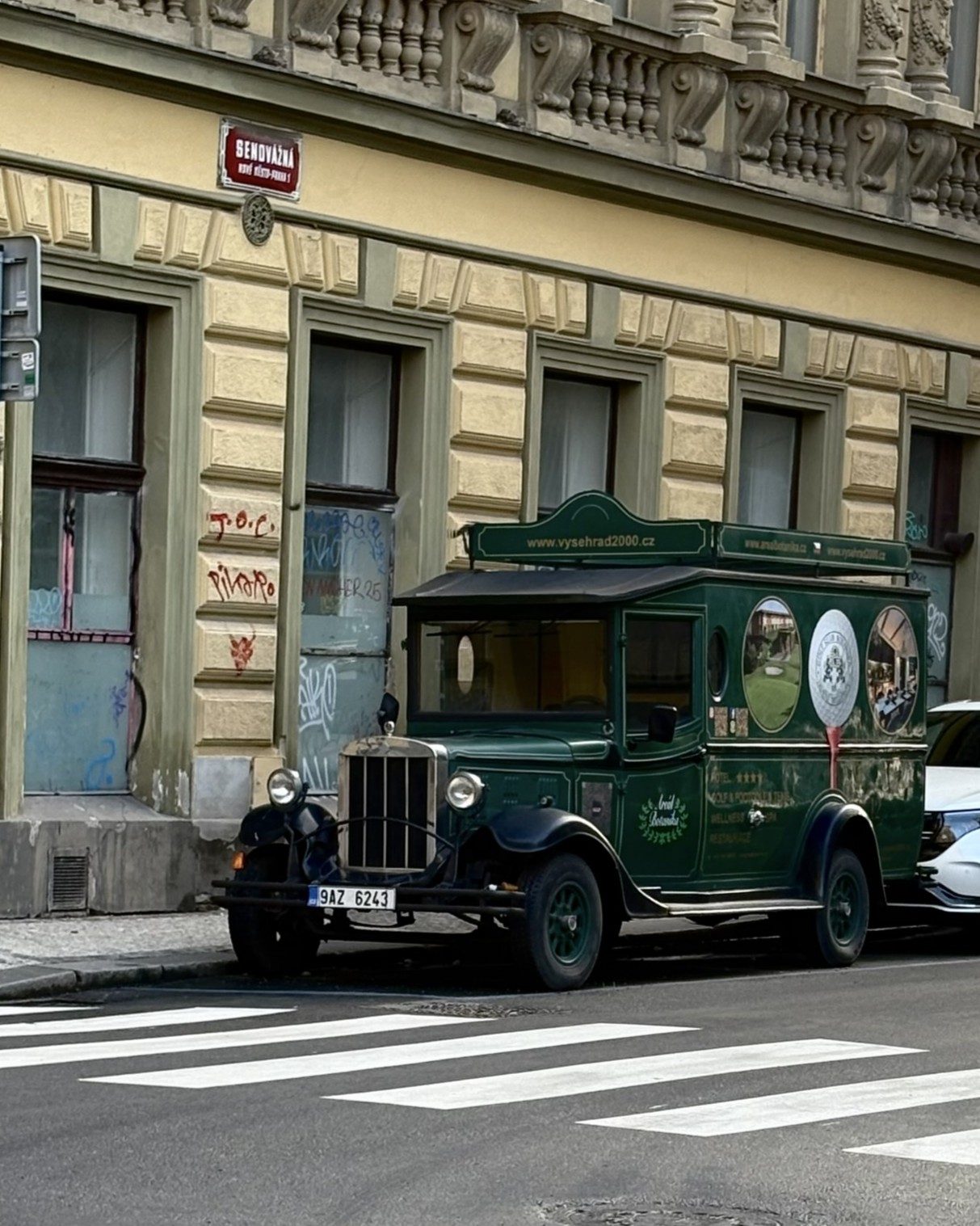
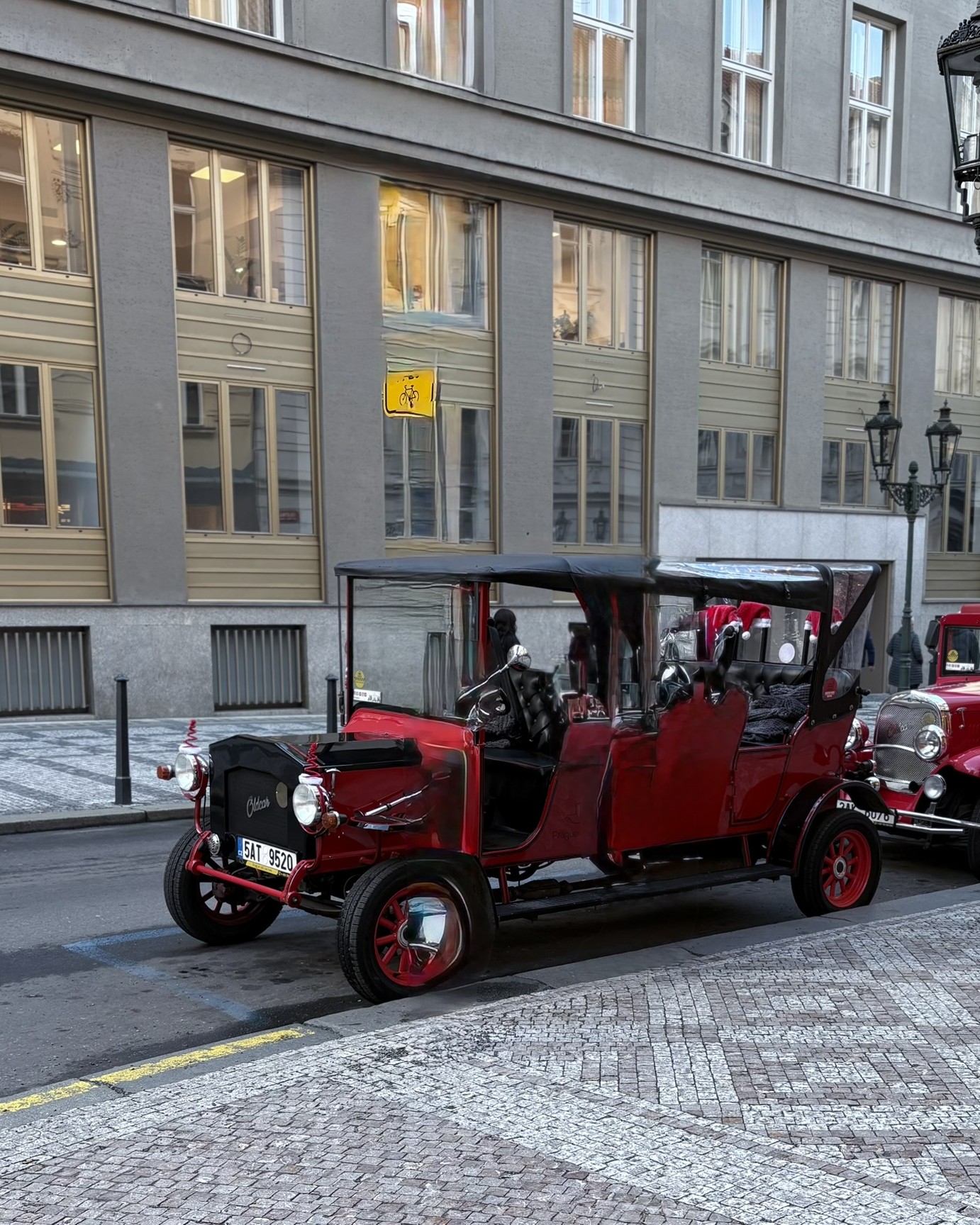
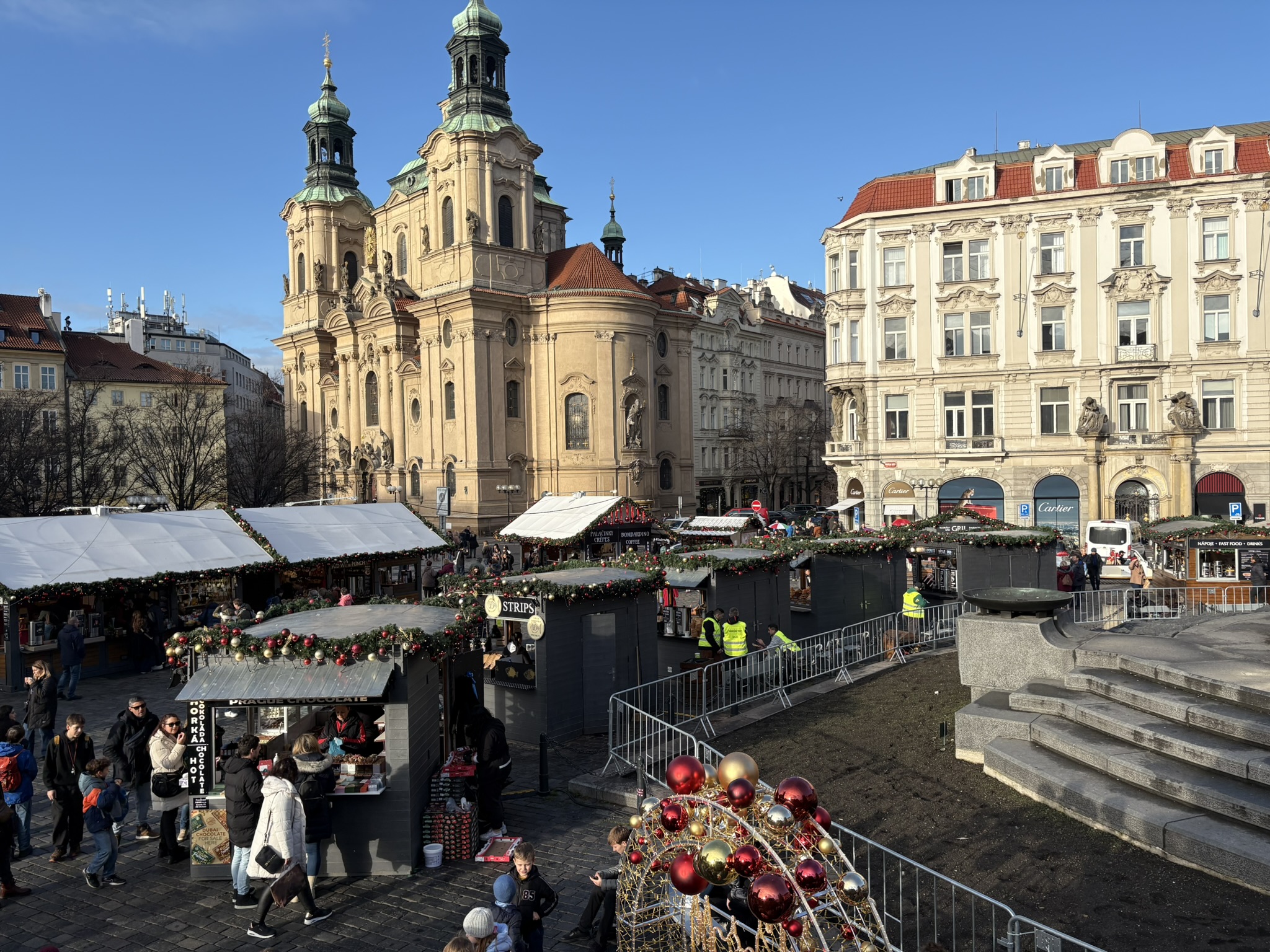
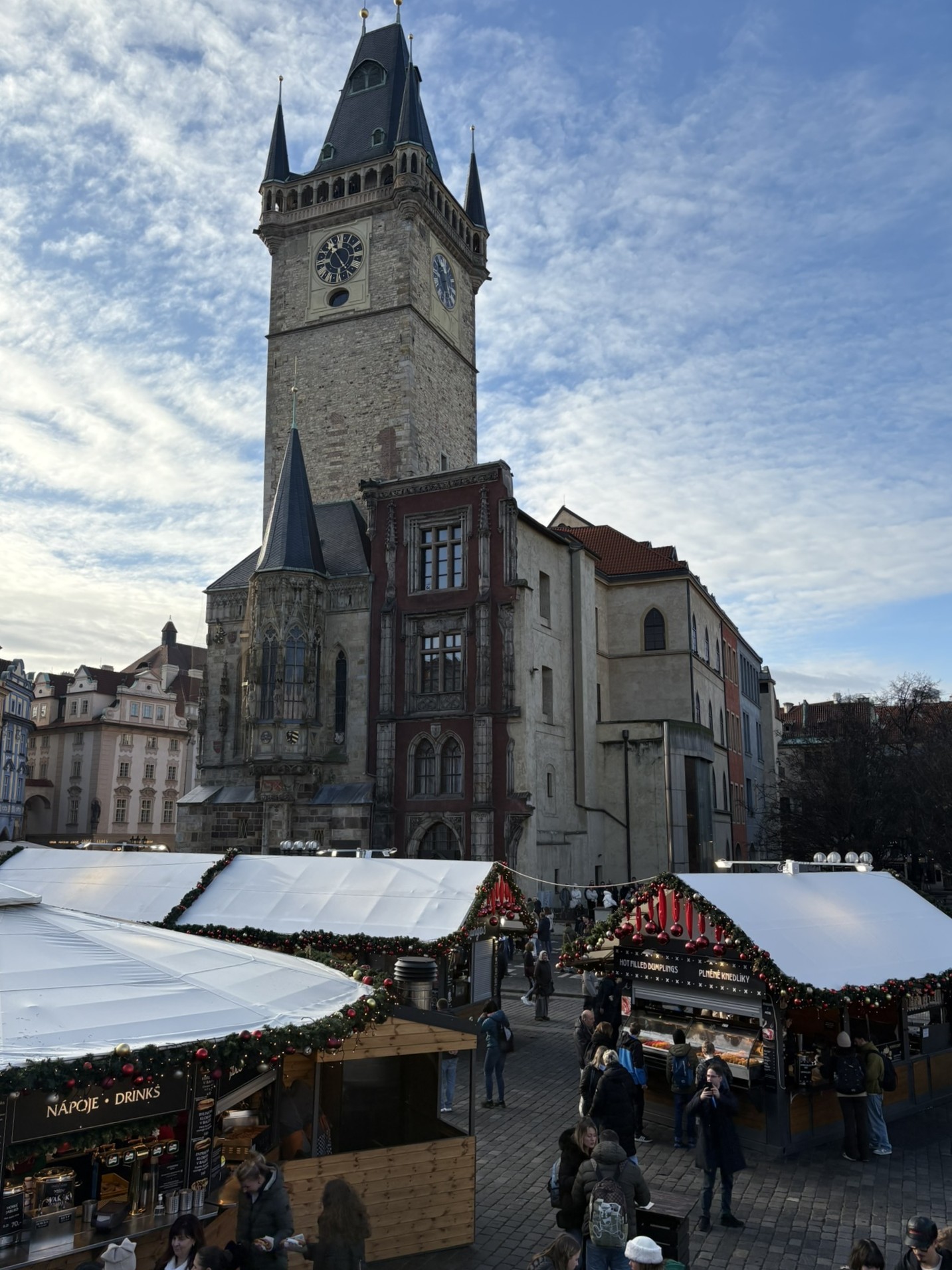
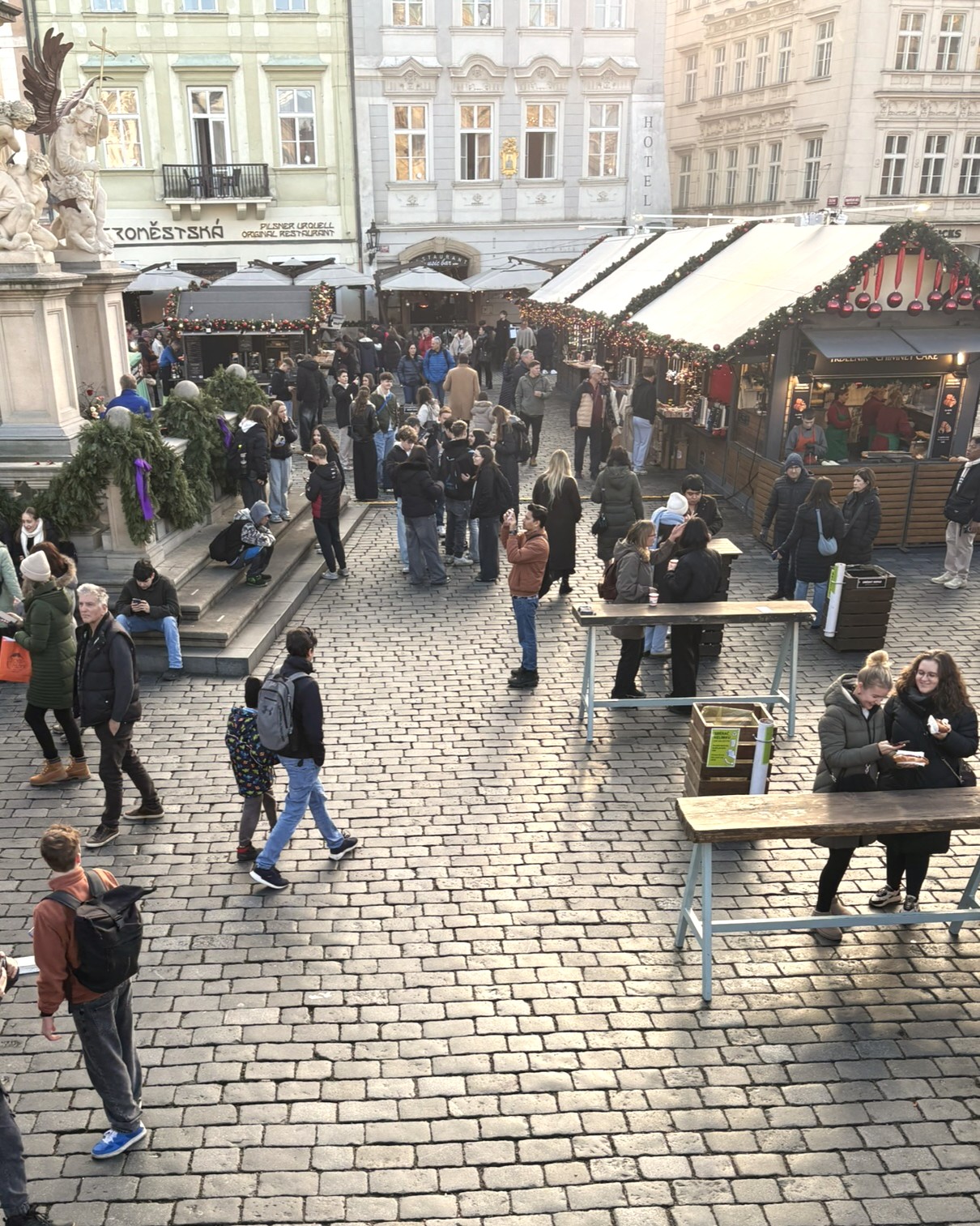
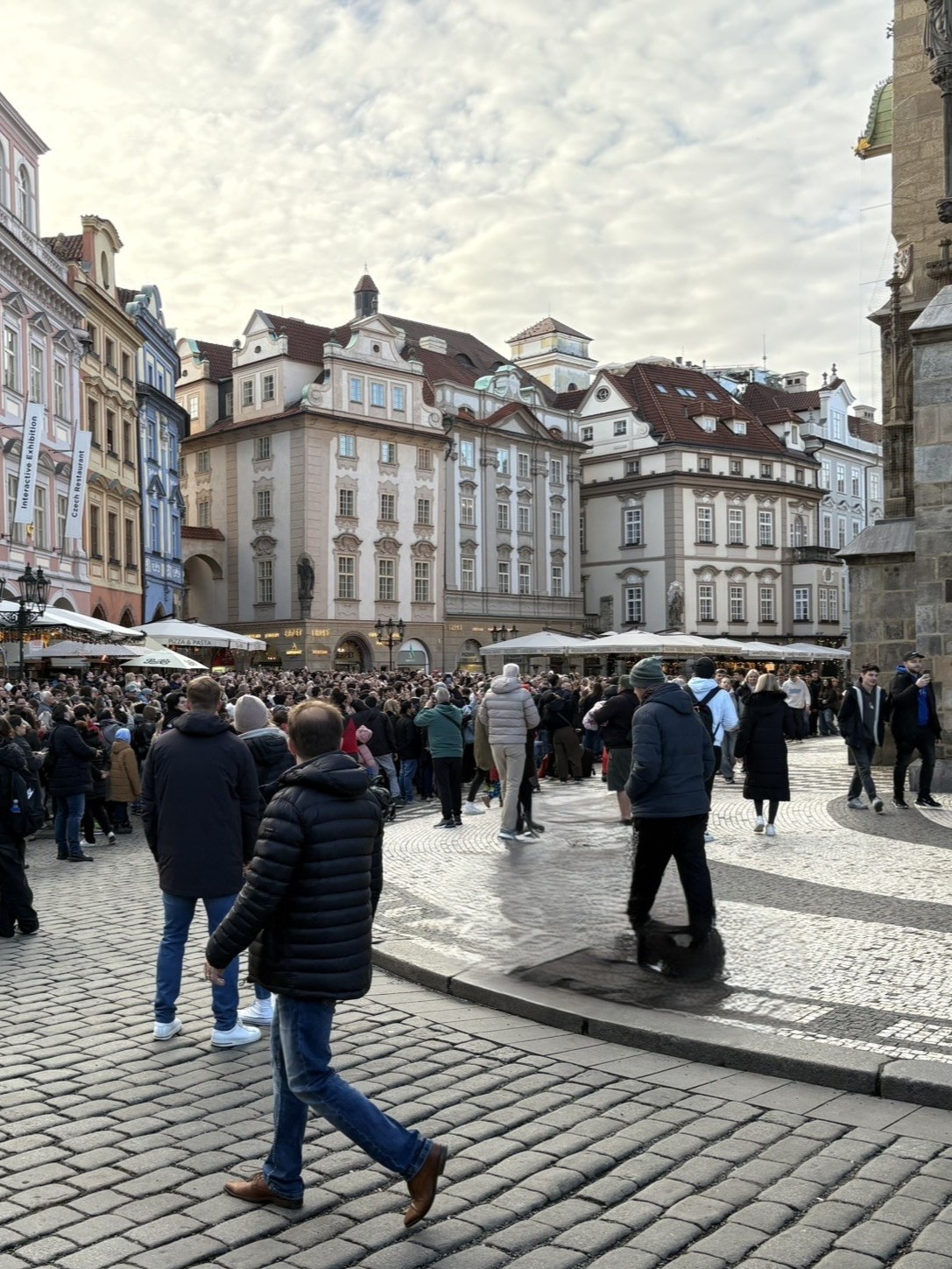
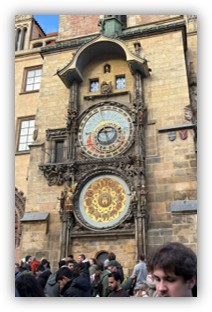
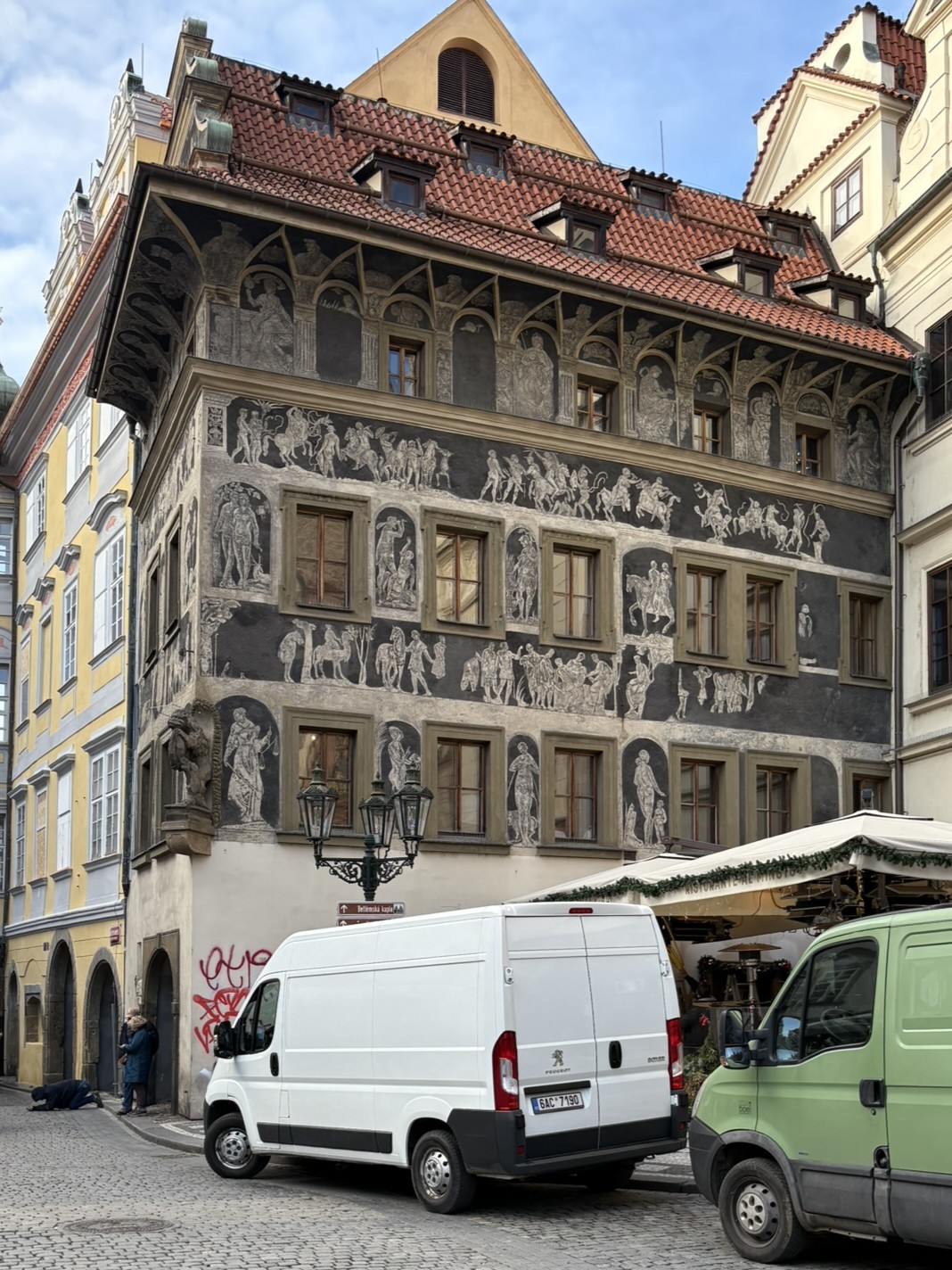
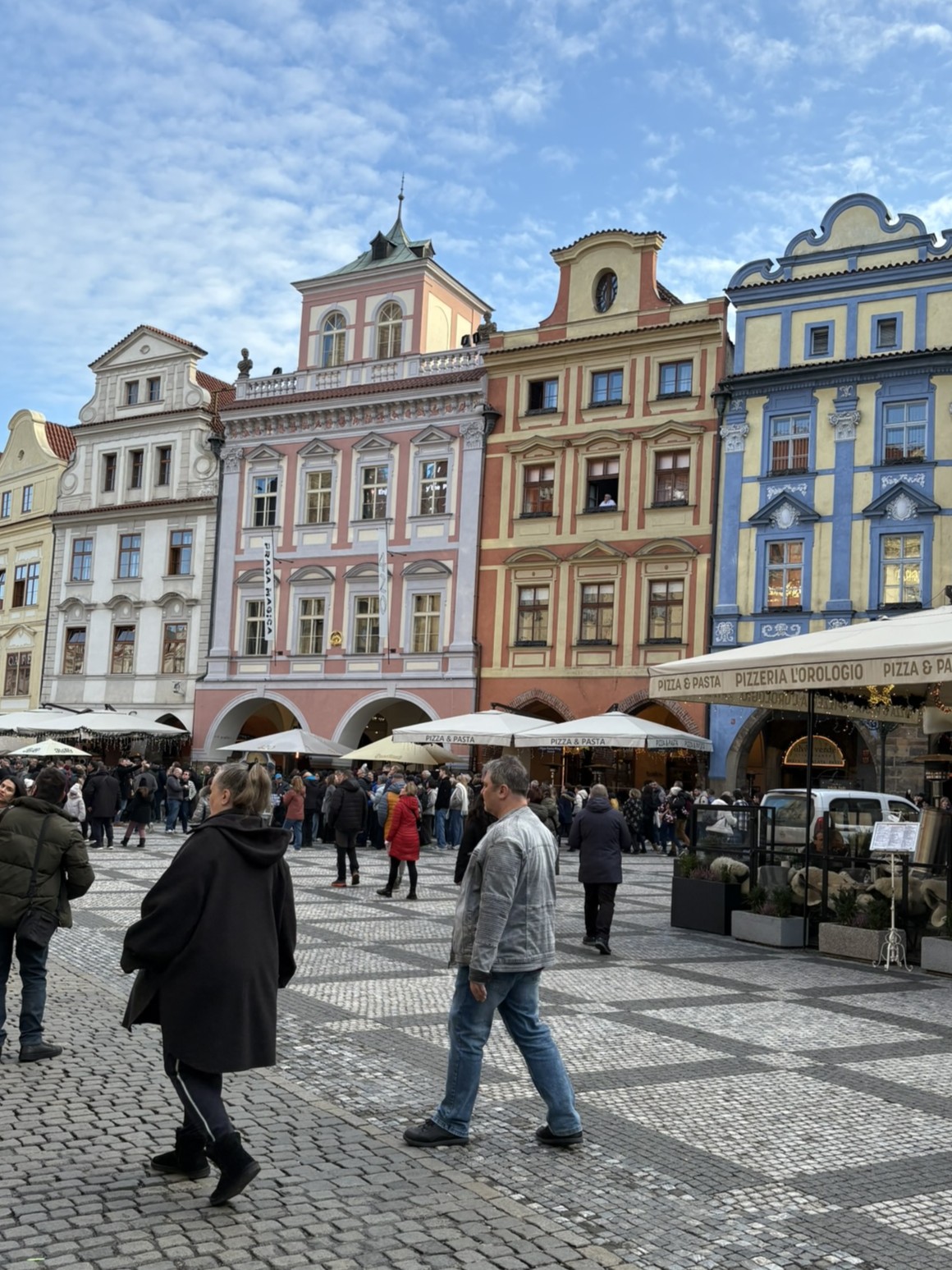
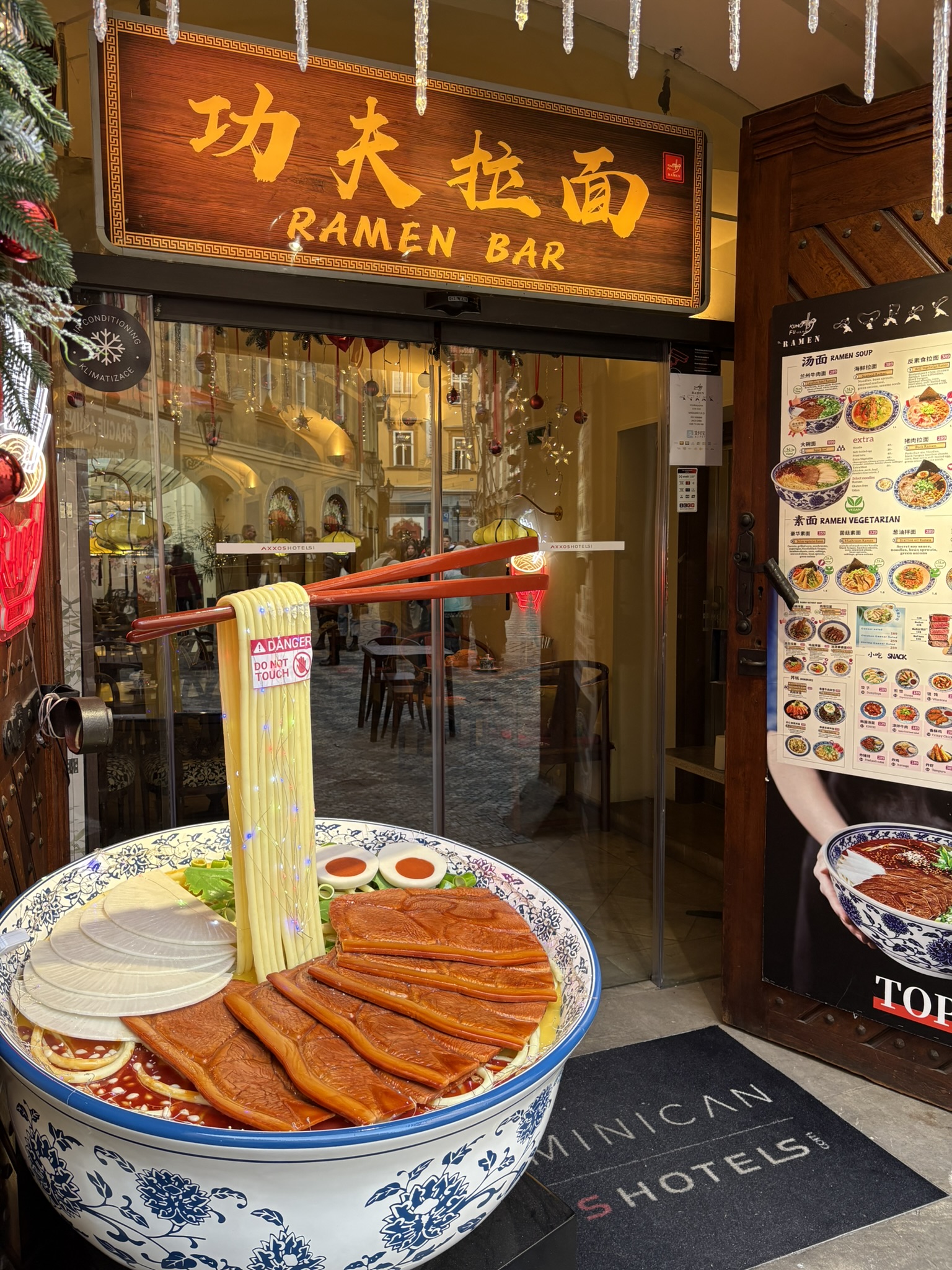
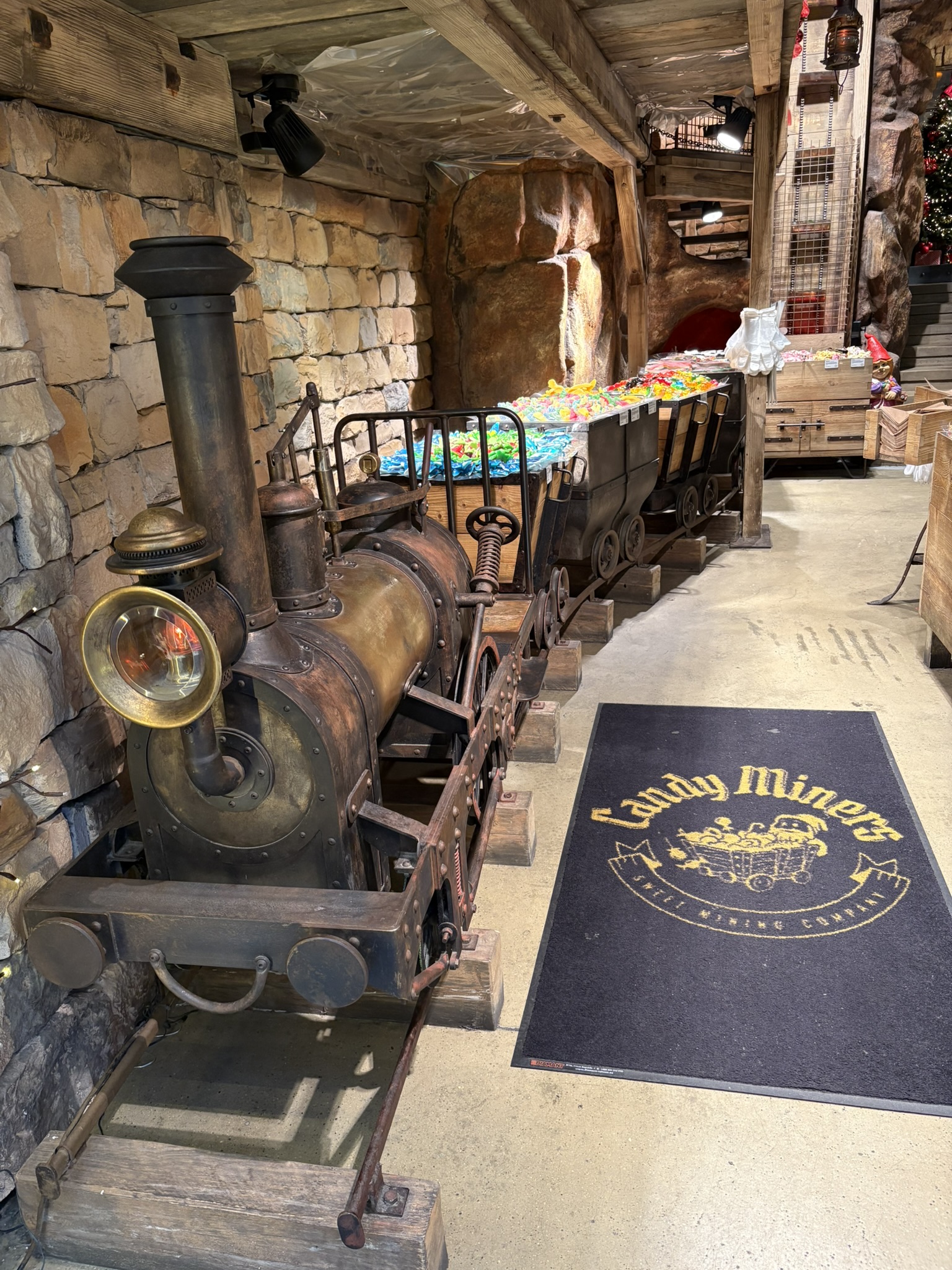
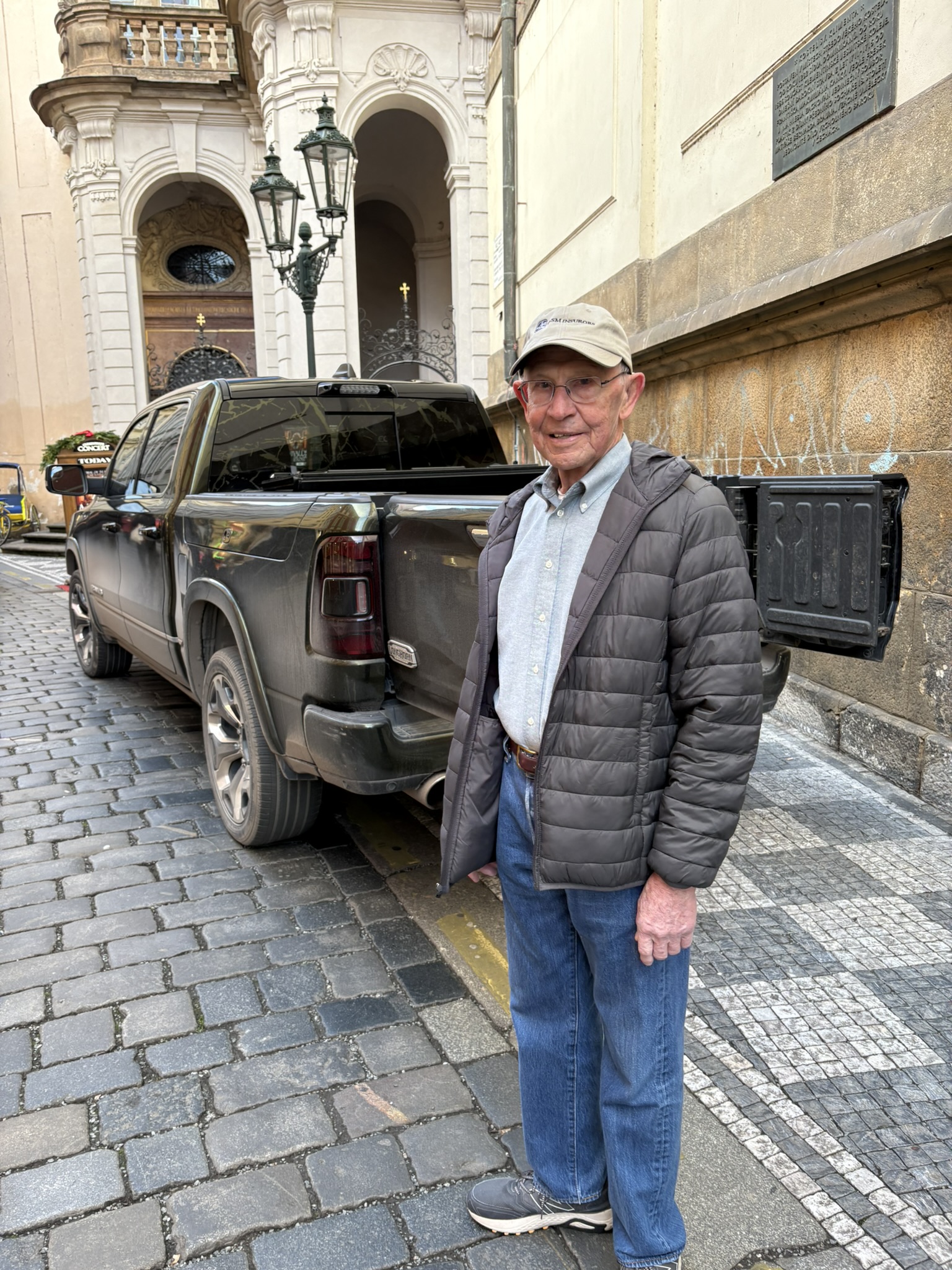
As we continued, our walk took us past the Powder Tower, and a little farther on we came across some interesting vehicles. In Old Town, the Christmas market stretched out beneath the Týn Church and the Town Hall. It was much larger than the market near our hotel, though it leaned more toward food than craft items. While we were there, we heard the Astronomical Clock on the Town Hall begin its hourly show. The crowd was too dense for us to see it, but once it cleared, we were able to get a good look at the clock itself. From there, we made our way toward the Charles Bridge, enjoying the many sights Prague offered—beautiful buildings, interesting stores, and even a pickup truck, something far more common in Texas than in Europe.
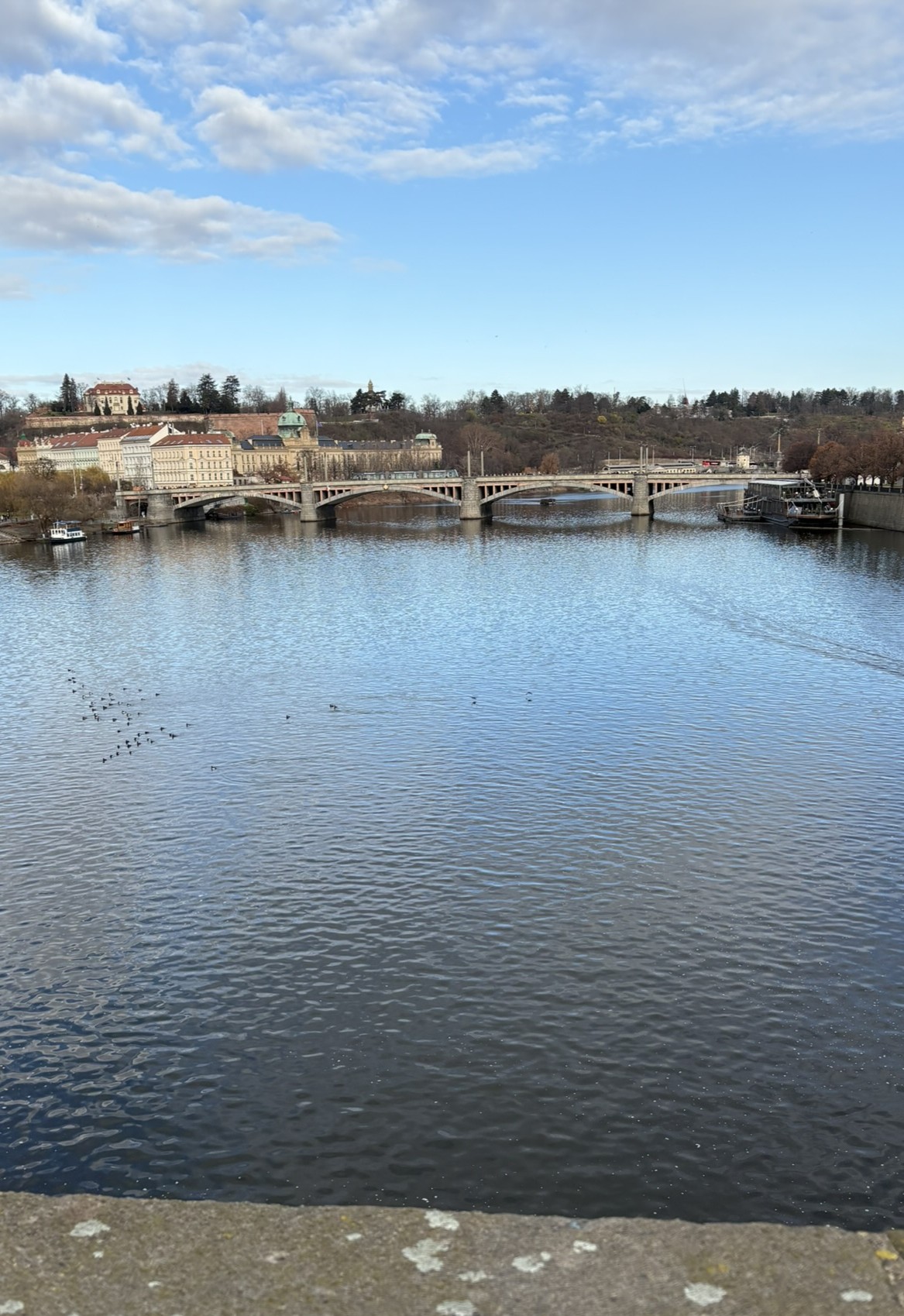
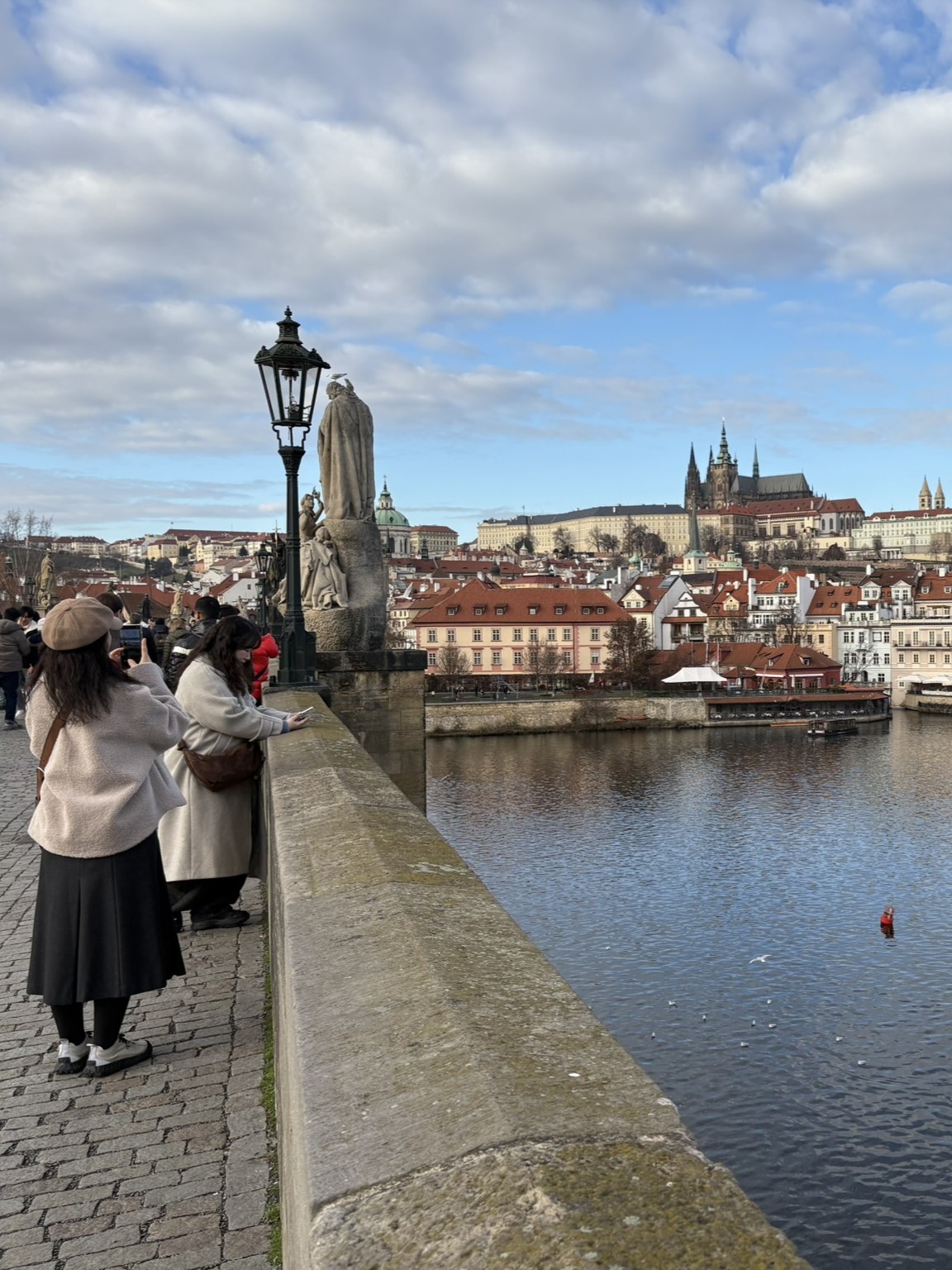
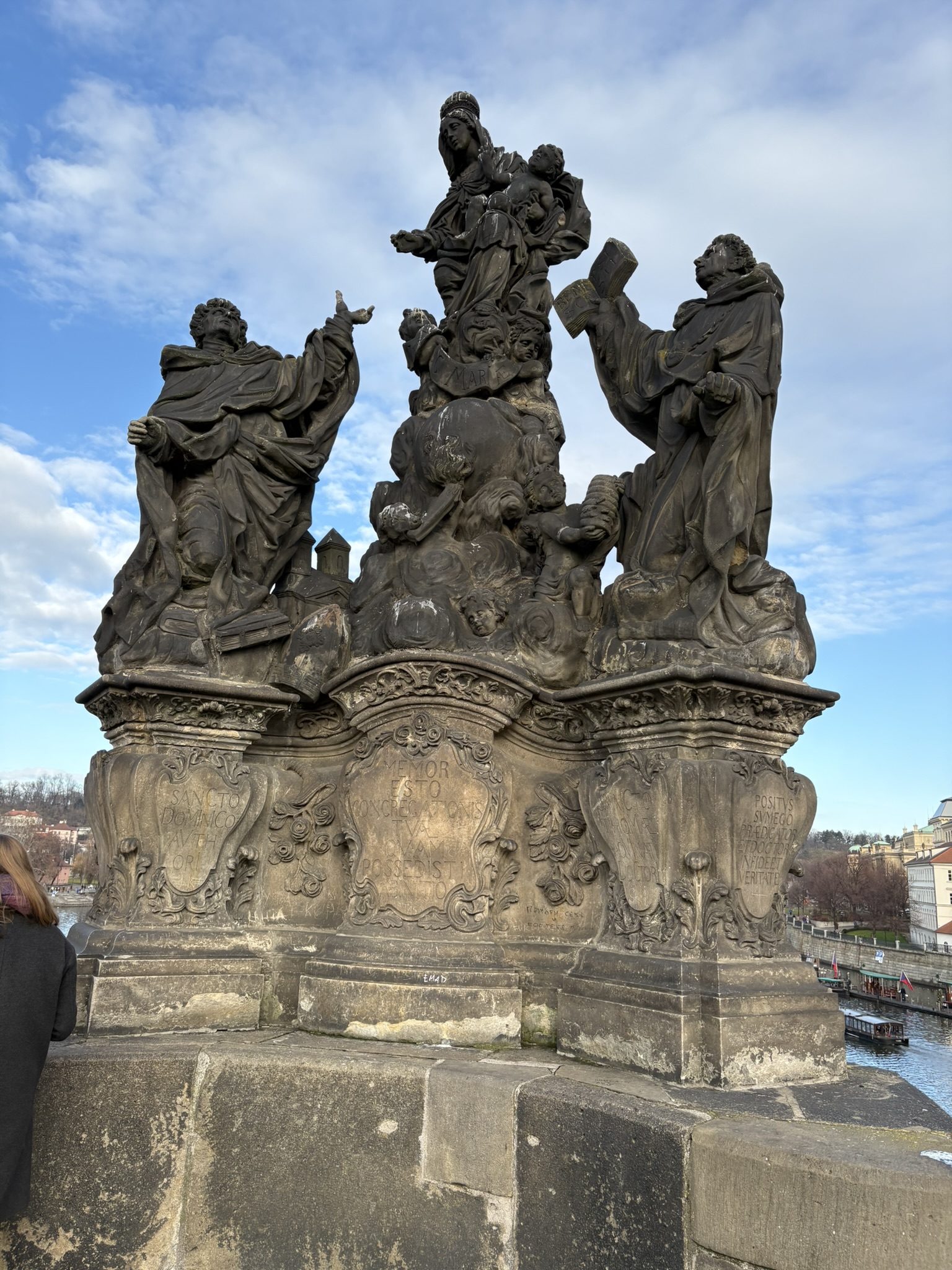
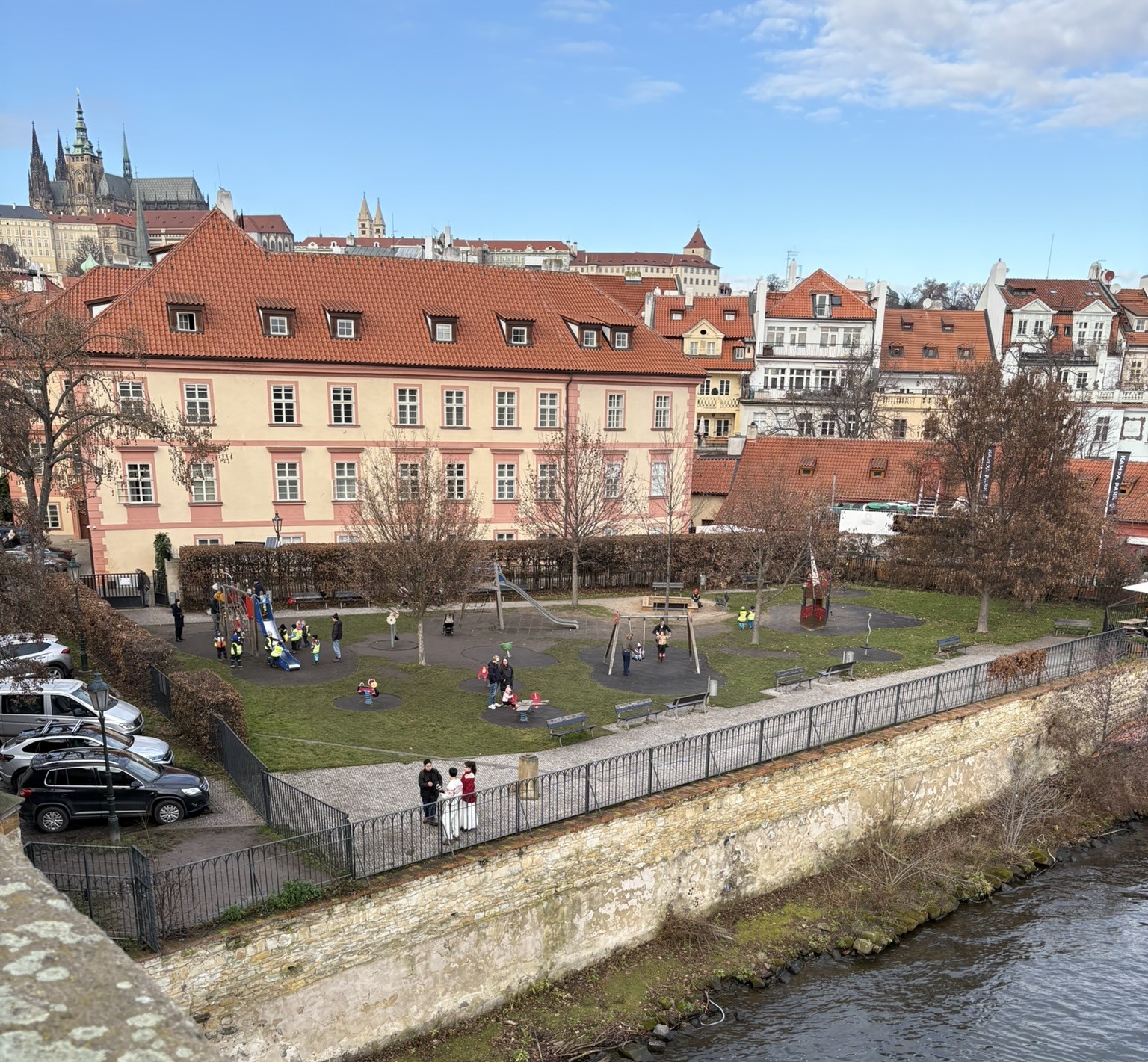
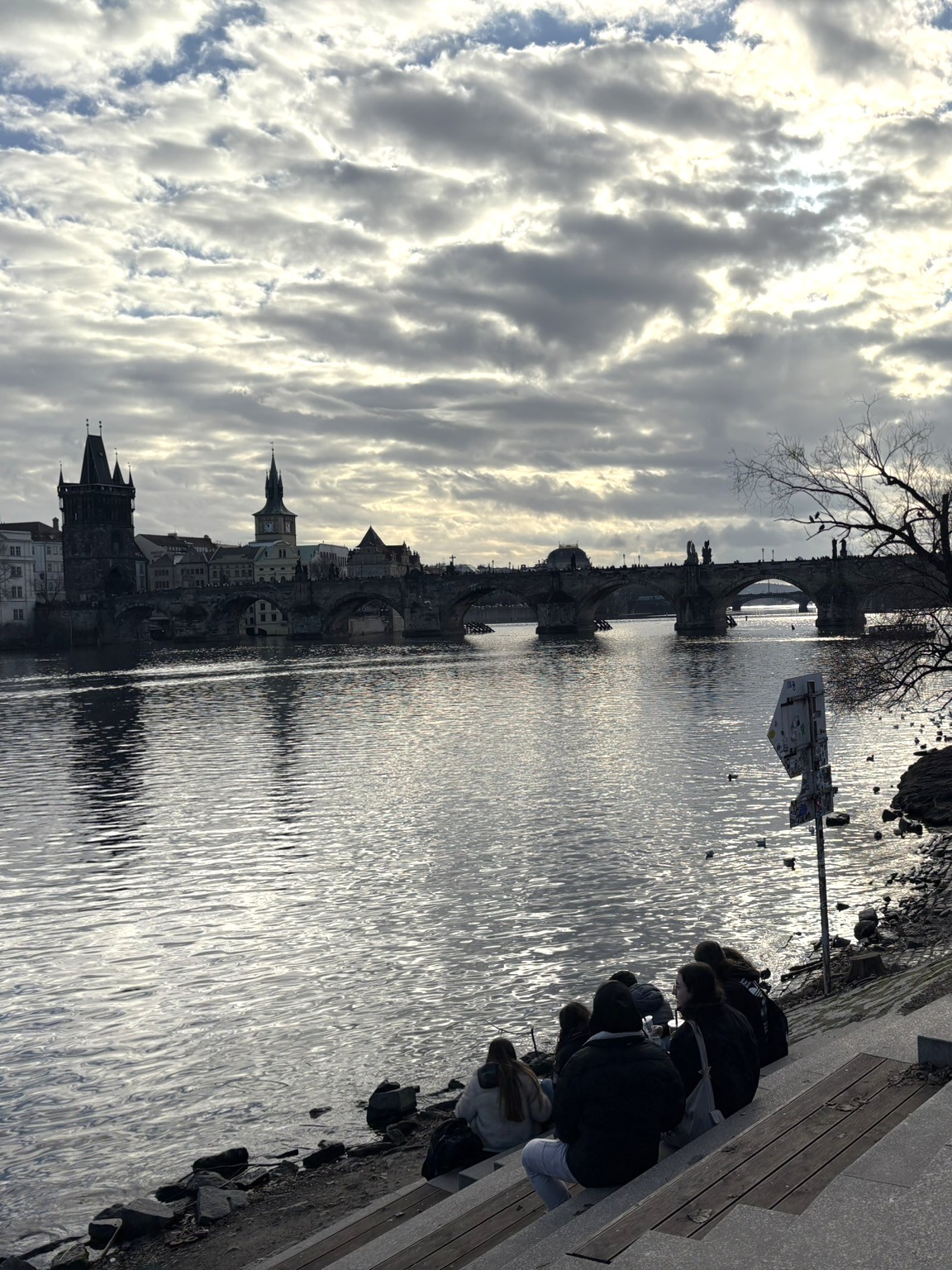
Charles Bridge is the most photographed landmark in Prague., and if felt like most of them were there when we were. The view from the Old Town side of the Charles Bridge was stunning. So was the view from the bridge of the Vltava River and the Mánes Bridge. As we crossed the Charles Bridge, we passed statutes added in the 1600s and 1700s. We were surprised to see a playground tucked beneath the Charles Bridge, but I guess everyday life goes on even his historical places.
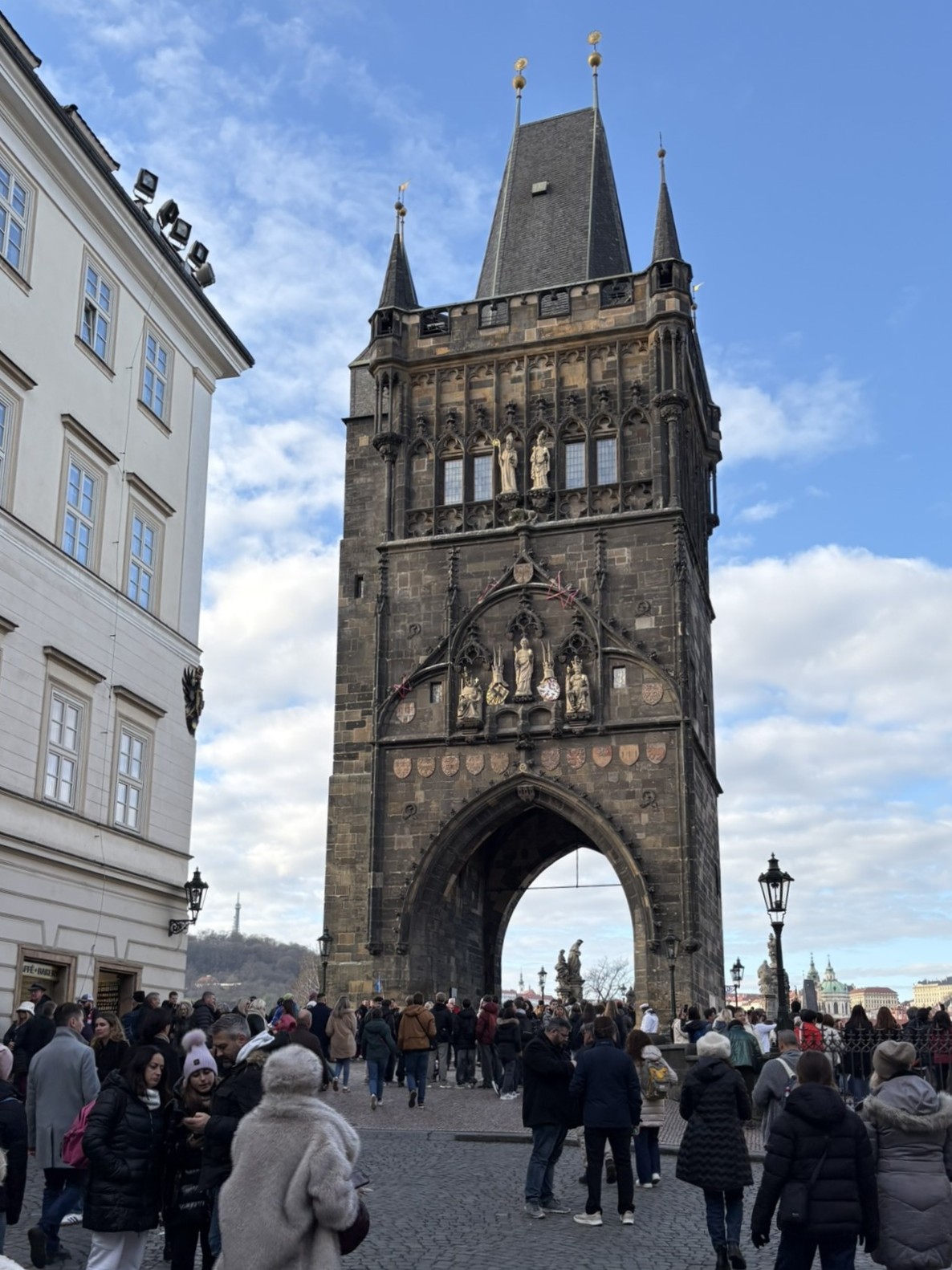
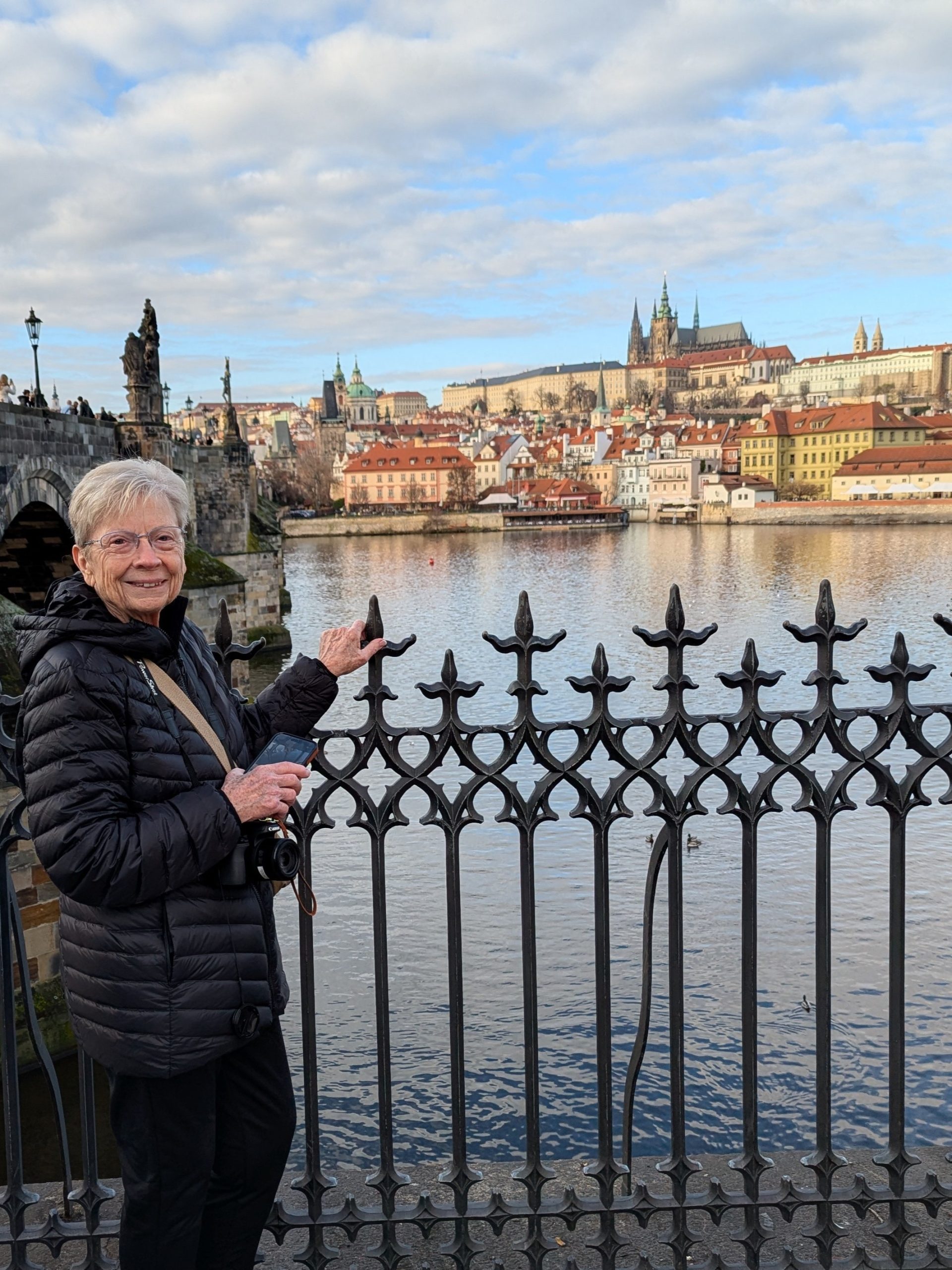
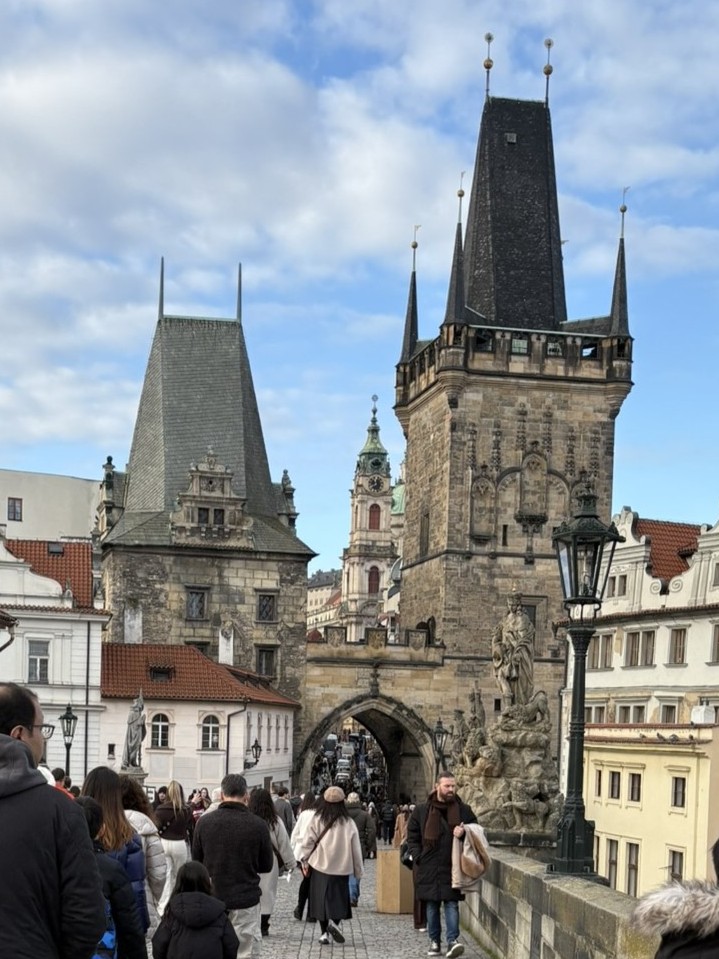
On the other side of the bridge, it was hard to take in just how old the Lesser Town Towers are. The shorter one goes back to the 1100s, when the first medieval castles were starting to appear across Europe. The taller tower came along in the 1400s, around the time Gutenberg was printing his earliest books.
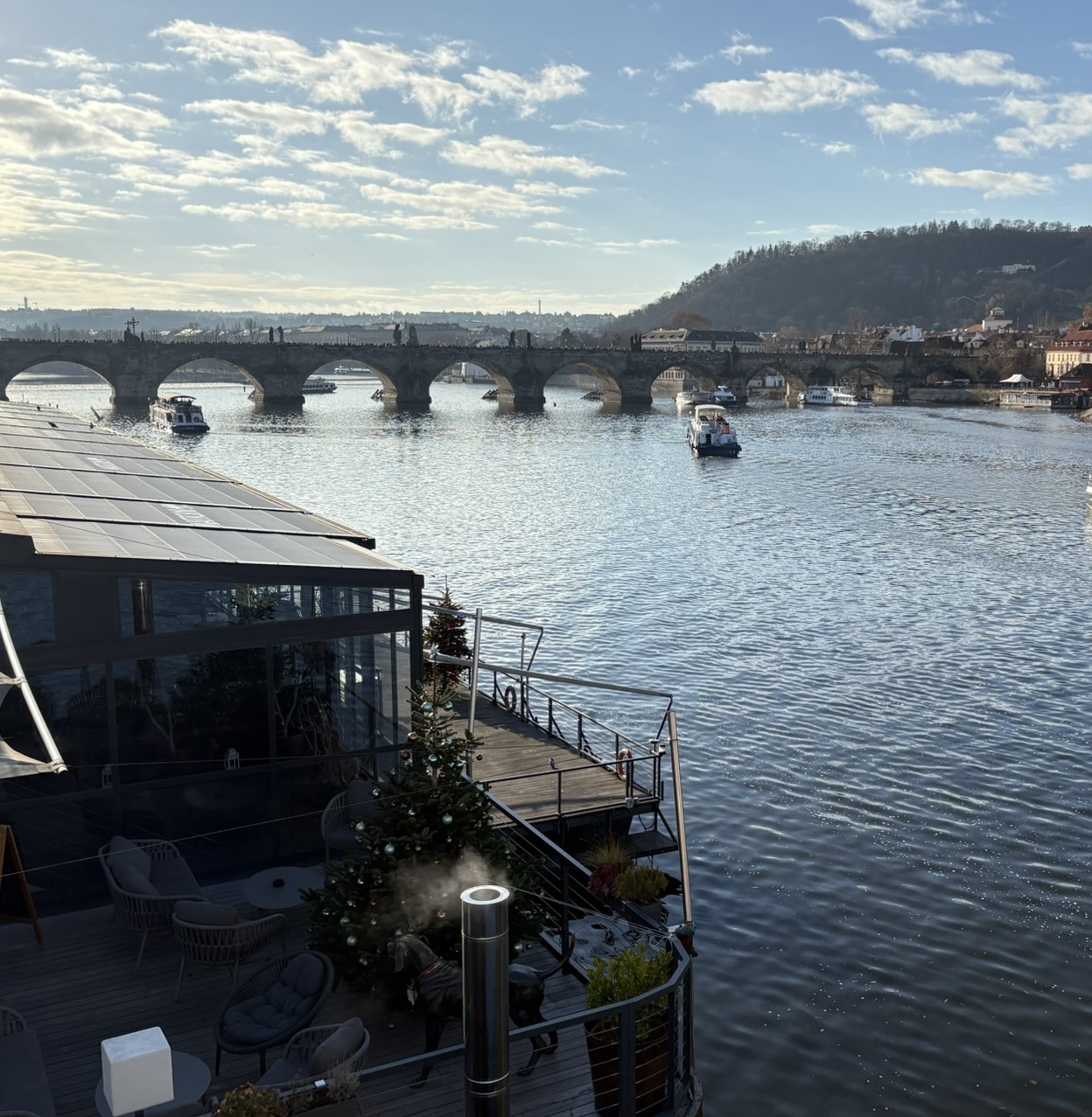
A stroll through Lesser Town led us to the Mánes Bridge, the one we had seen earlier from the Charles Bridge. The bright sun made photographing the Charles Bridge difficult, but it was a beautiful day to be exploring Prague. Little did we know it would be the only sunny day of the entire trip.
Back in Old Town Square, we visited the Church of Our Lady before Týn — often just called Týn Church. Its twin towers rose dramatically above the square, a striking landmark we had seen from many angles as we walked through Prague. Inside, the church was breathtaking. Soaring ceilings covered in dramatic frescoes and gilded details rose high above us. It was truly something to see.
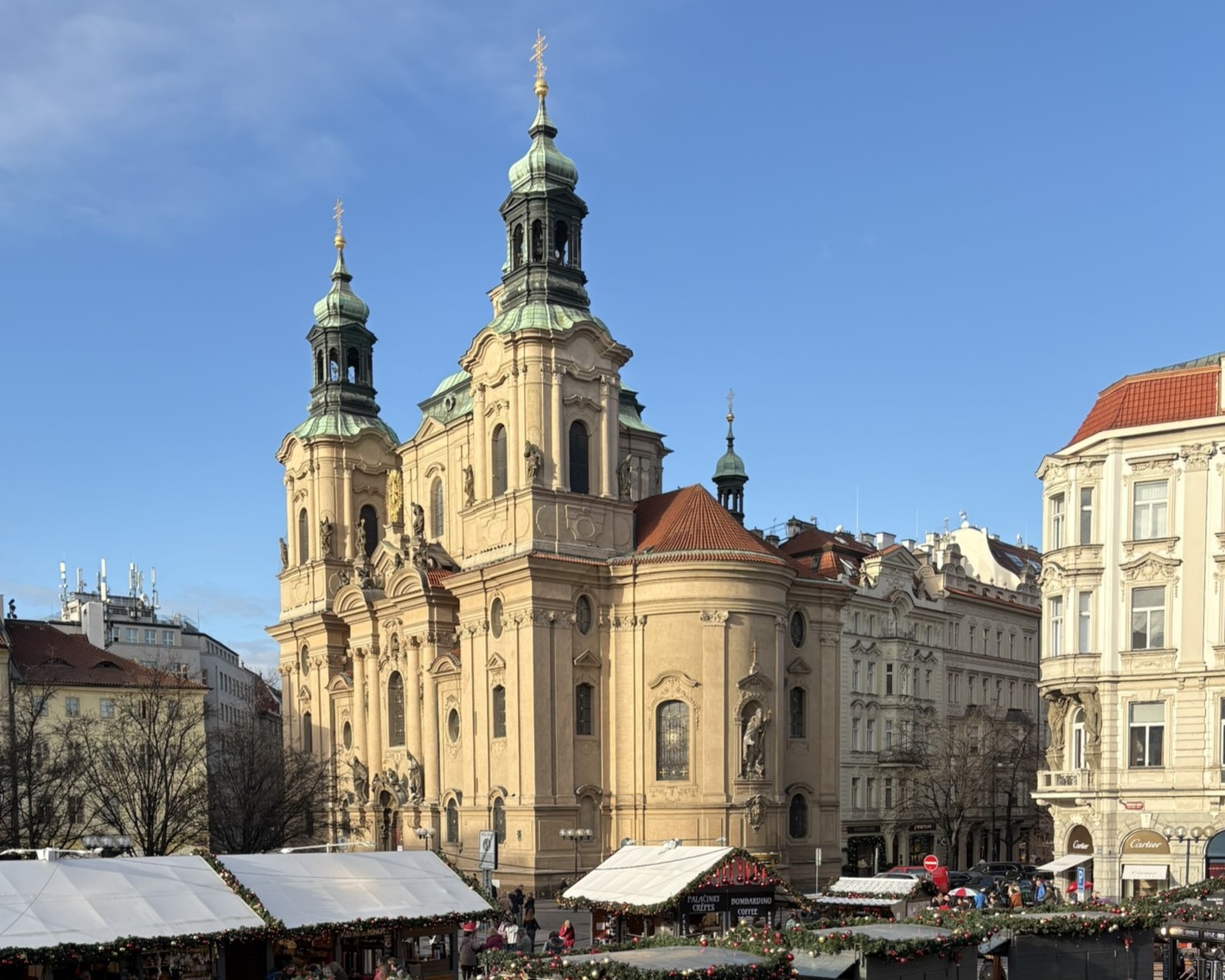
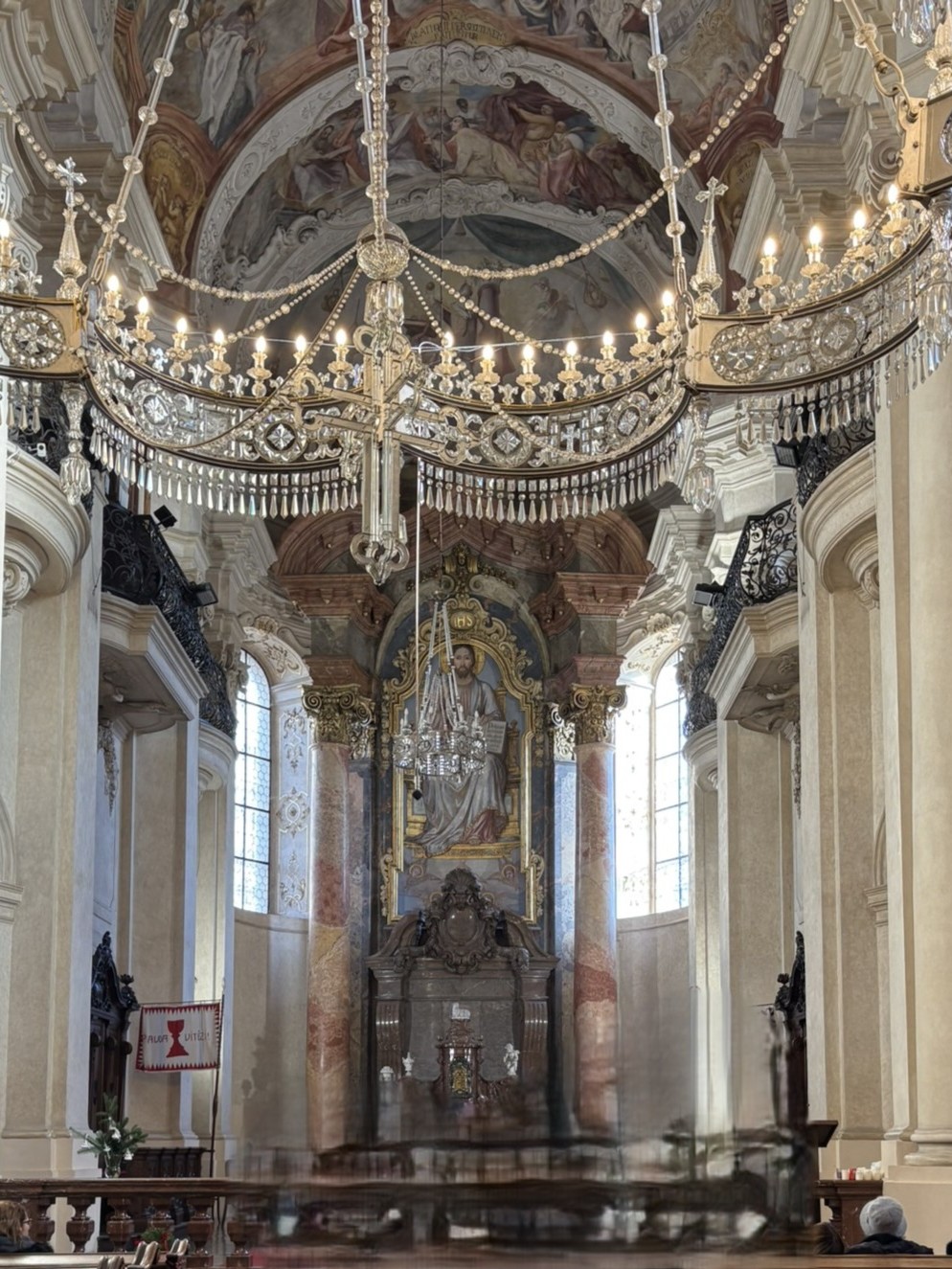
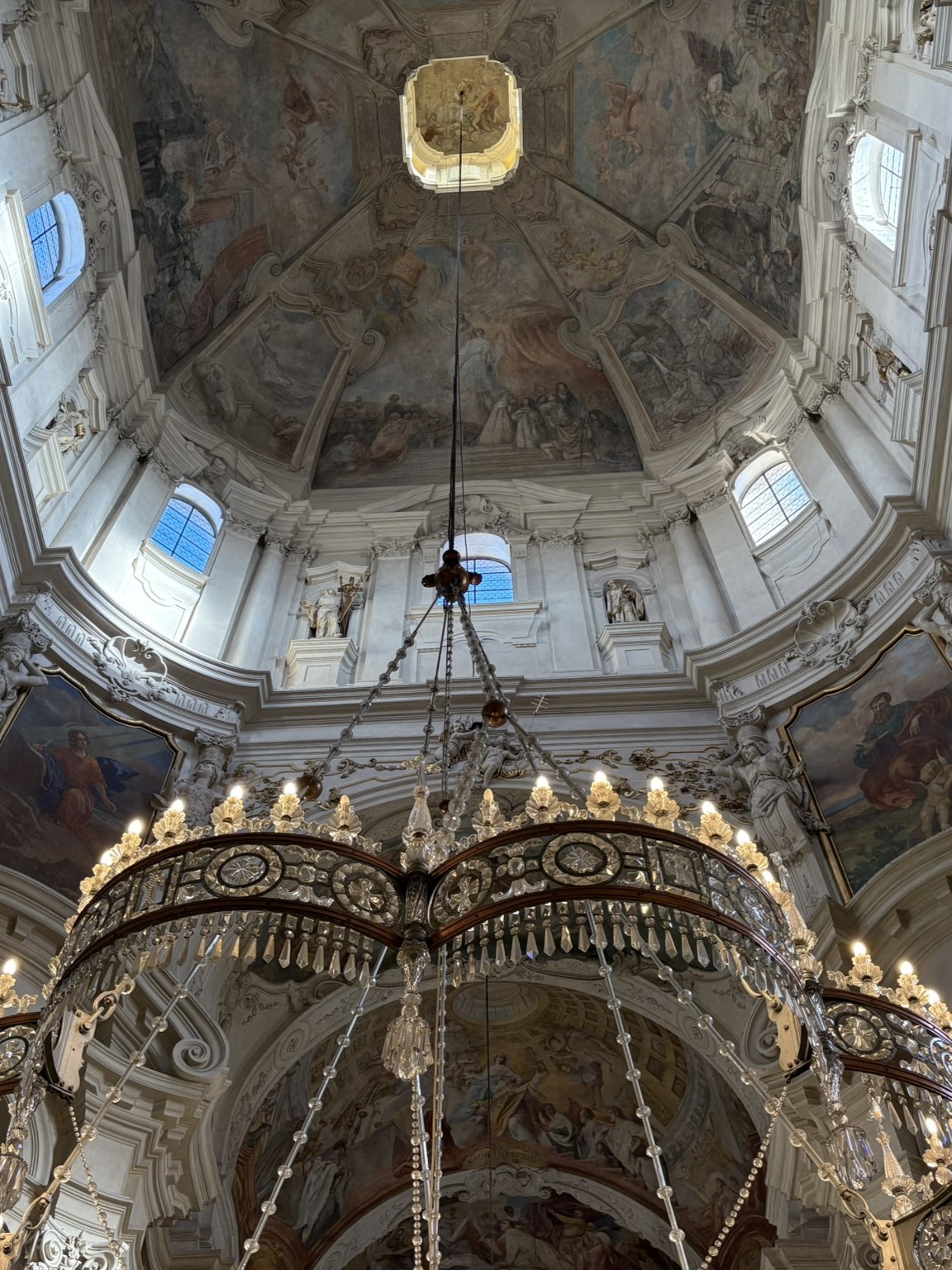
Our walk back to the hotel took us back through The Old Town Christmas market we had visited earlier and past more beautiful buildings. We laughed as a puppet carousel in a toy store made its rounds. There was so much to see and not enough time.
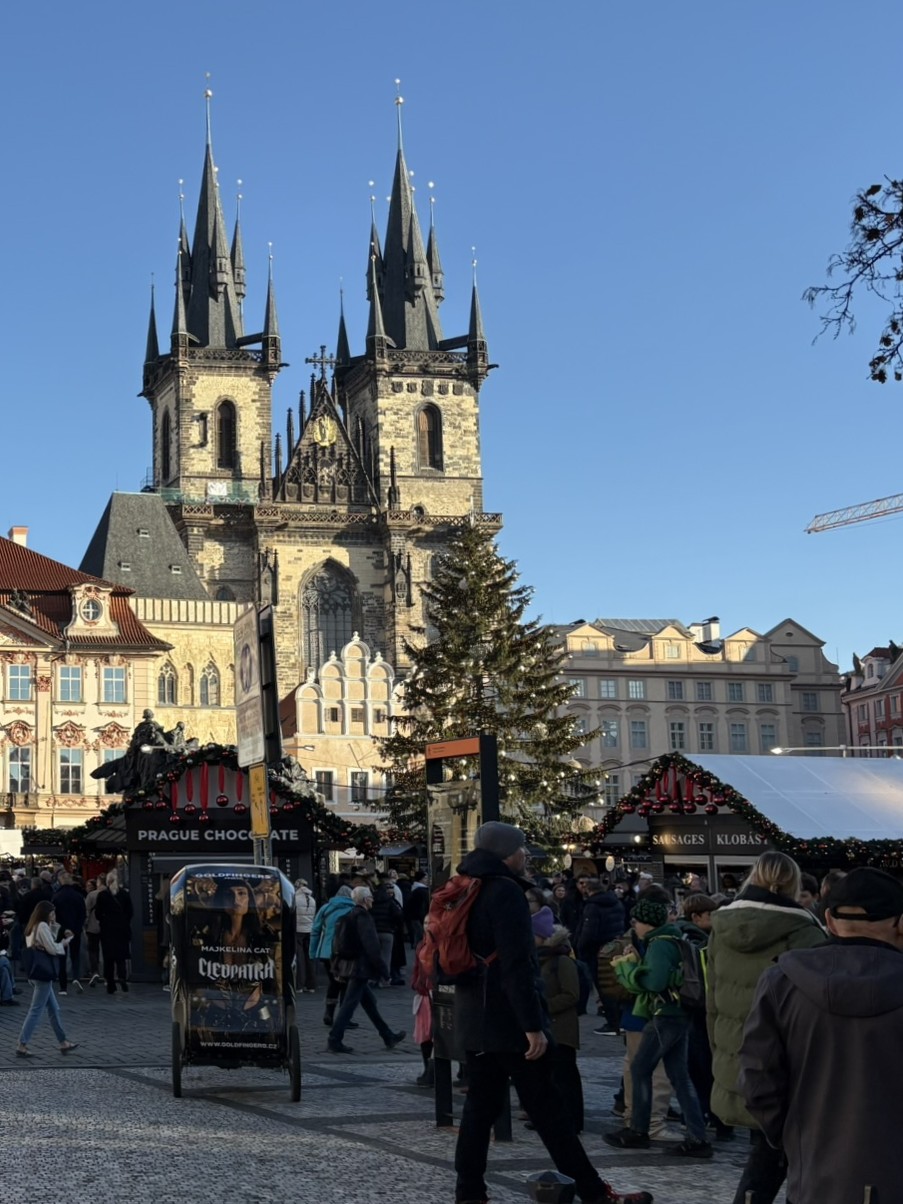
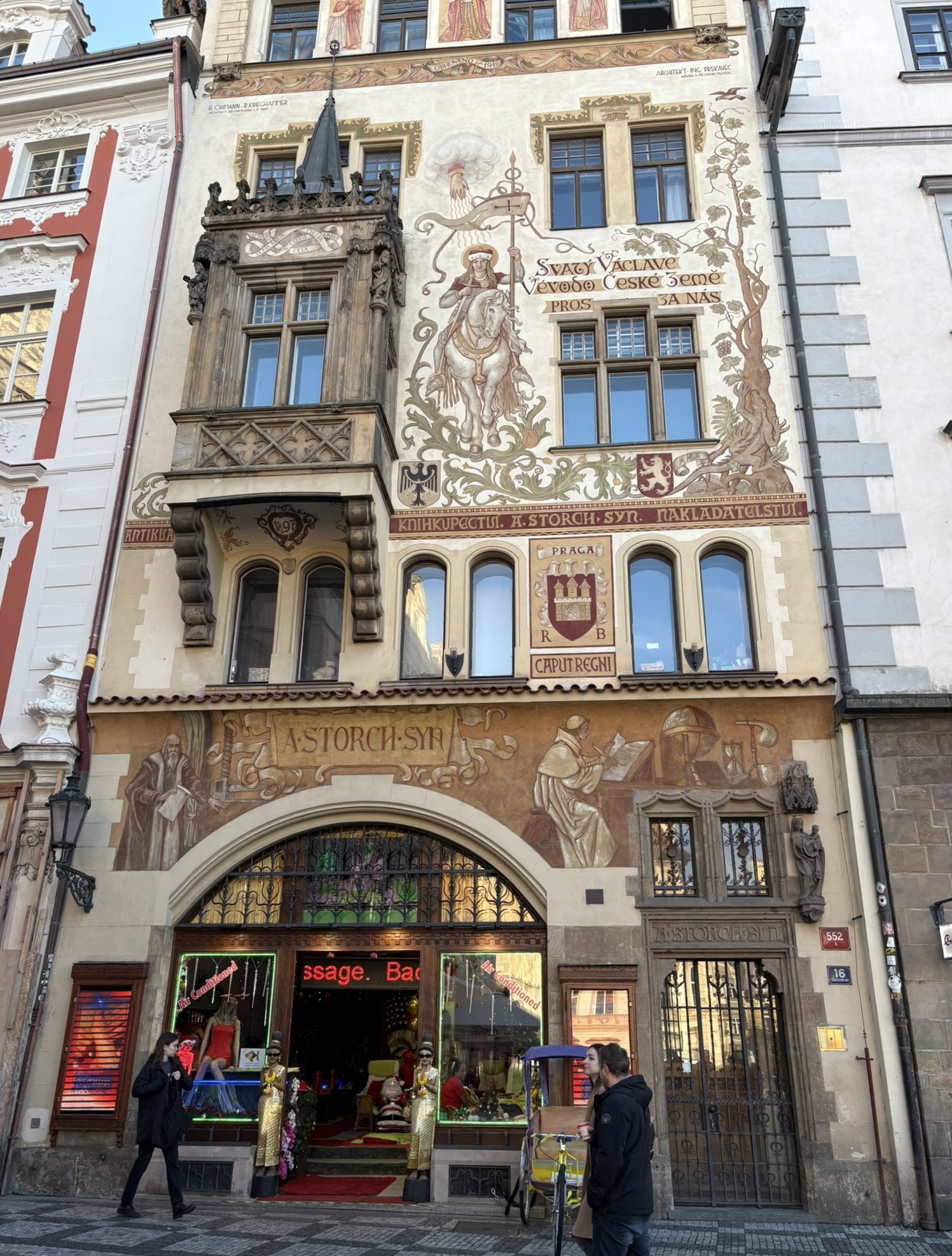
Our walk back to the hotel took us back through The Old Town Christmas market we had visited earlier and past more beautiful buildings. We laughed as a puppet carousel in a toy store made its rounds. There was so much to see and not enough time.
A Different Kind of Day: Terezin
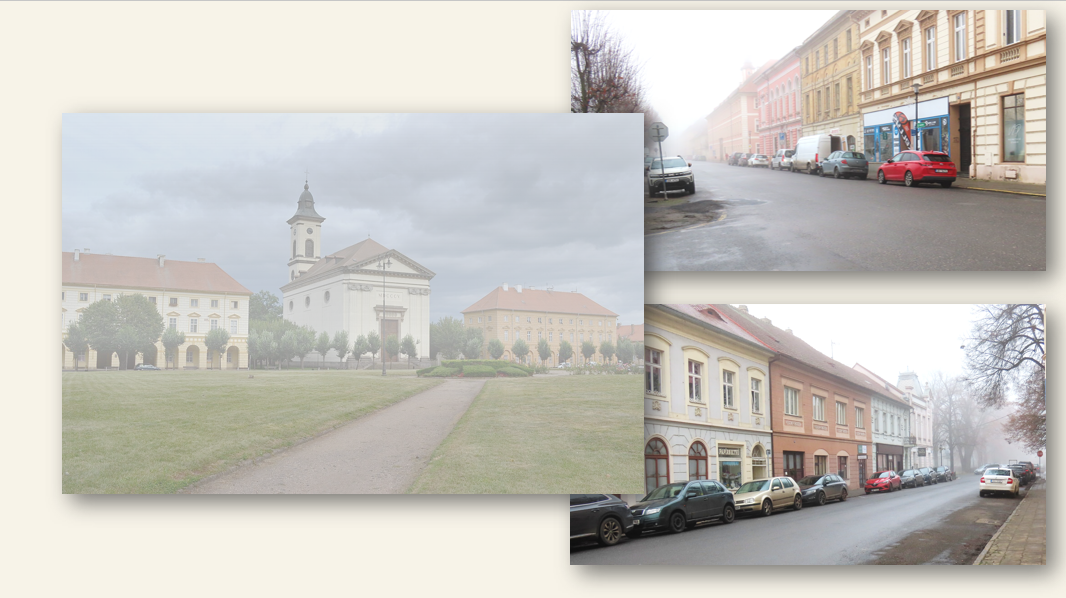
The day was very different from the one before. Our visit to Terezín stood in sharp contrast to the excitement of exploring Prague’s Christmas markets and historic squares. Instead of sunshine, we had fog; instead of festive markets and beautiful architecture, we visited a concentration camp.
A Planned Military Town
Terezín began as a planned military town, built in 1780 to house soldiers and their families stationed at the fortress. Over the years it also served as a military post and, at times, a prison. During the Nazi period, Terezín was turned into a concentration camp and Jewish ghetto.
Many of those imprisoned were children, housed in designated homes within the ghetto. The town served mainly as a transit point, where Jews were held before being deported — most often to extermination camps such as Auschwitz and Treblinka. Though the Nazis superficially beautified parts of the ghetto for Red Cross visits, life there was miserable for the men, women, and children confined within its walls.
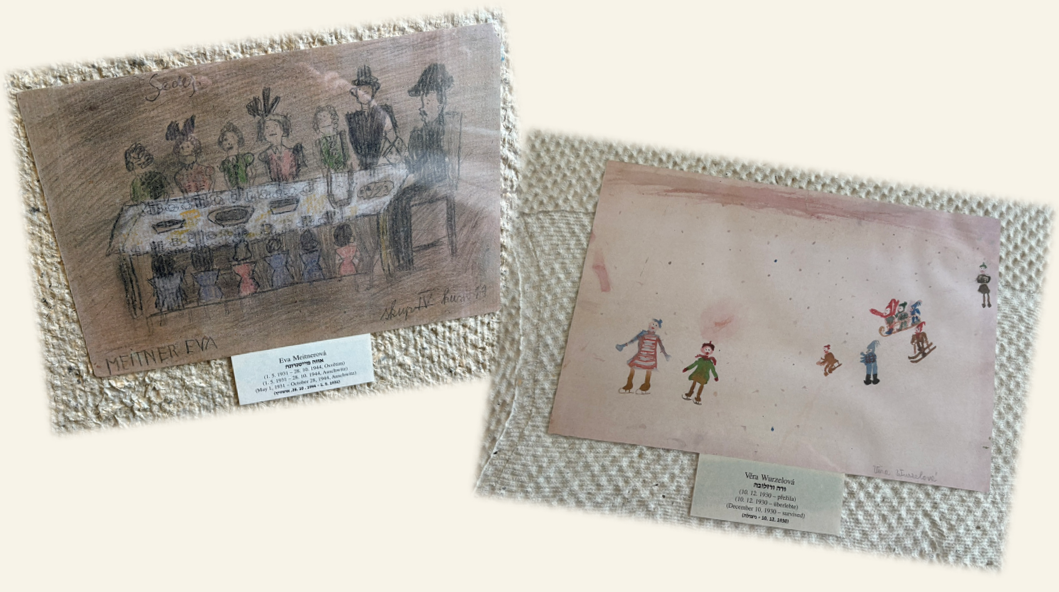
The Museum and Children’s Art
Our first stop was the museum, which had been a school during the ghetto period. Children’s artwork lined the walls, each drawing accompanied by a note about the child who created it. These drawings and writings were among the most moving parts of the visit.
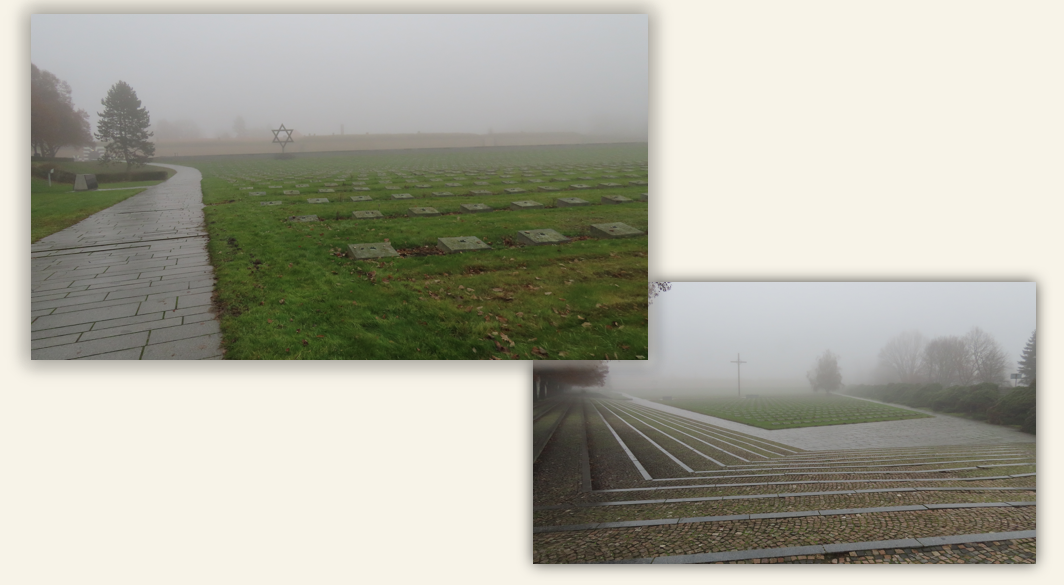
As we made our way to the fortress, we passed two cemeteries — a small one for Christians and a larger one for Jews. The Jewish cemetery is the resting place of thousands who died at Terezín during the Nazi occupation, a quiet reminder of the lives lost there.
The Fortress
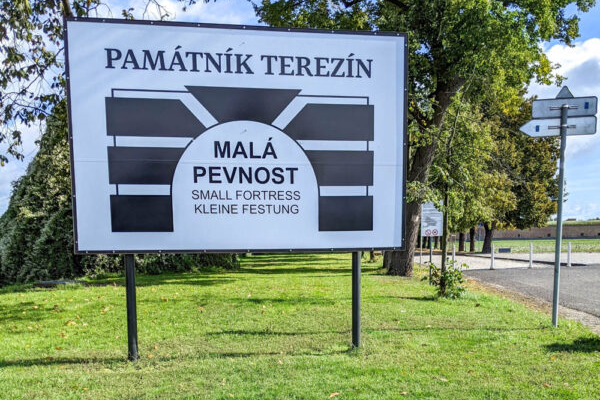
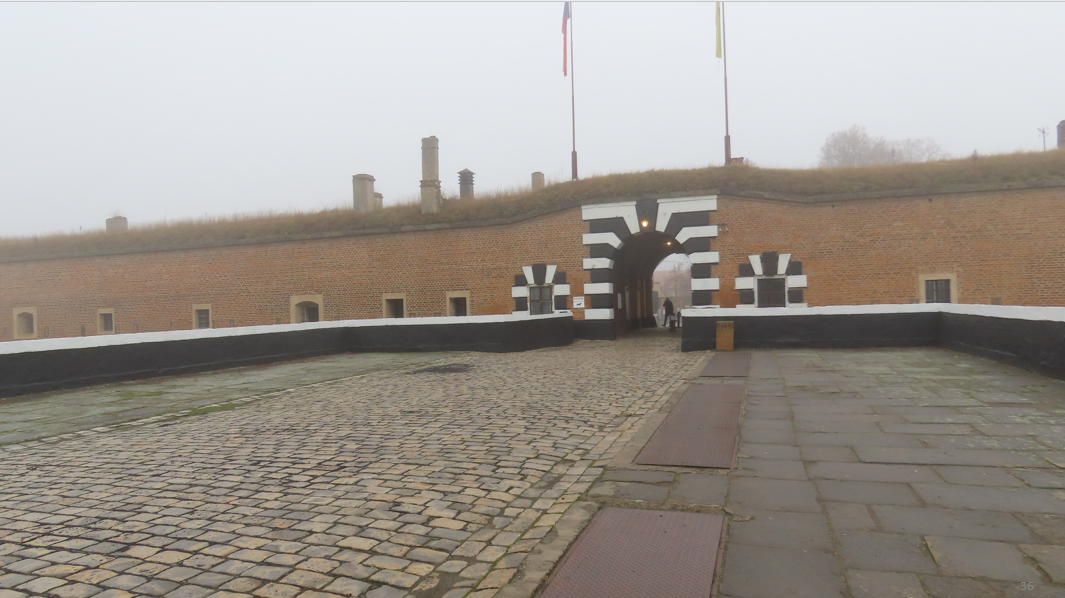
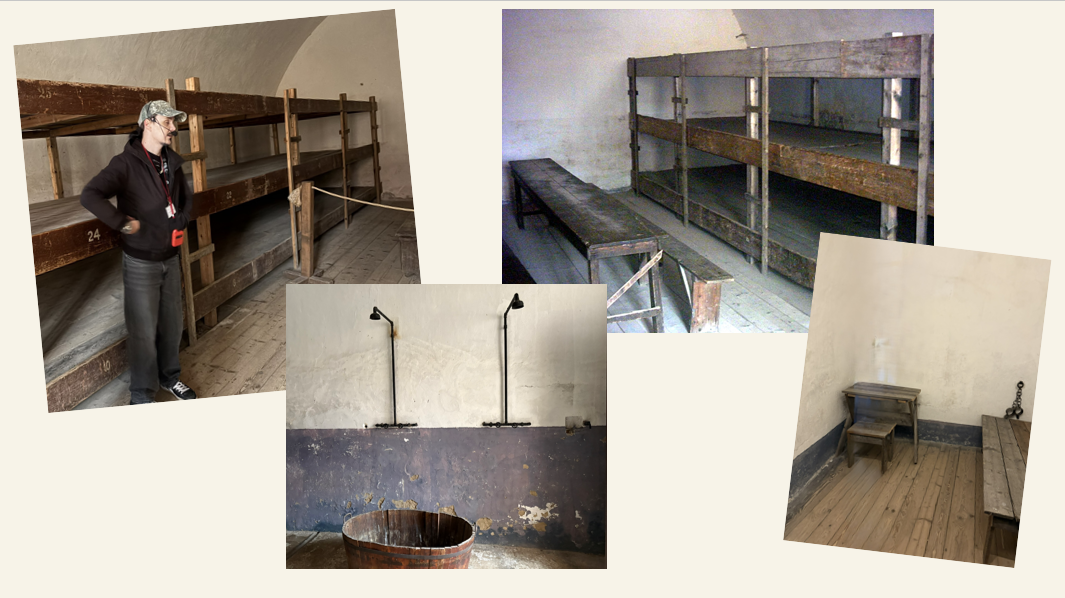
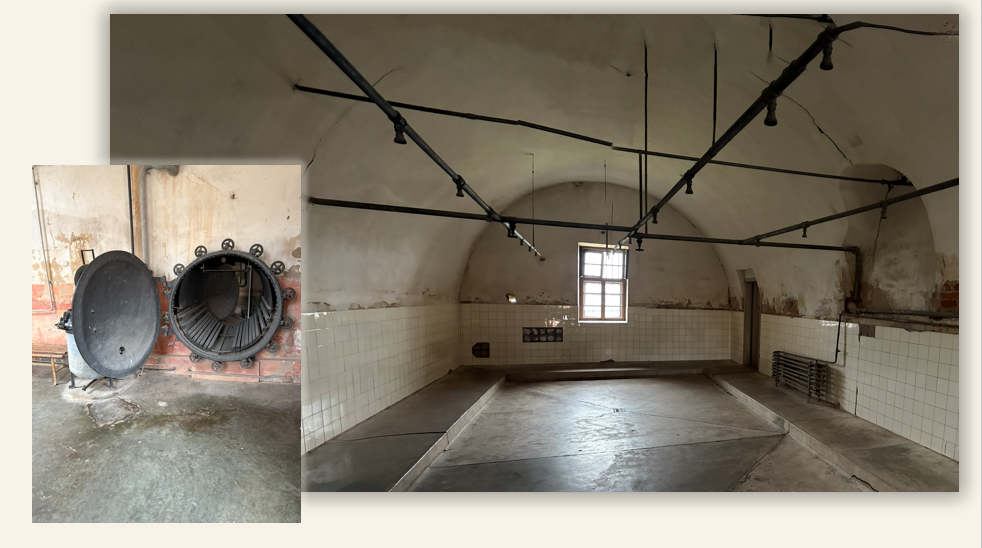
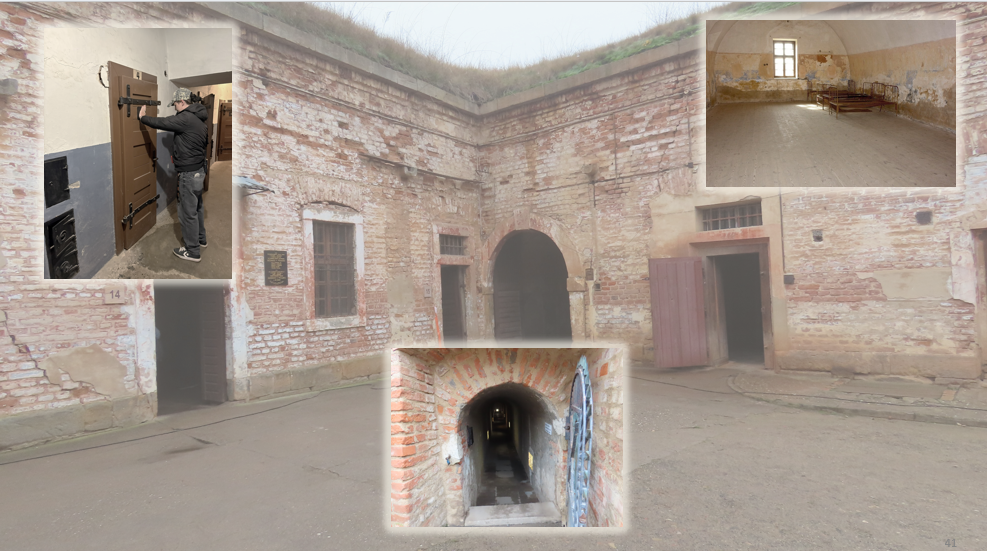
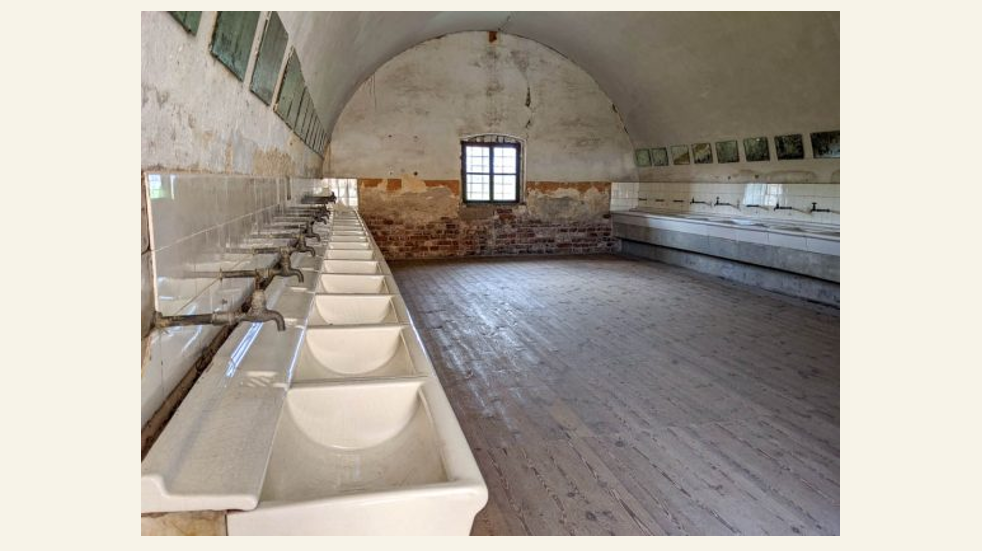
From the outside, the fortress looked plain and unremarkable. Nothing hinted at the sorrow and suffering that had taken place within its walls. Inside, our guide showed us the prisoners’ quarters. Sleeping areas built for fewer than 25 people housed more than 100. The only bathtub in the fortress was used for torture, and a tiny room served as solitary confinement. There was a communal shower used by all prisoners, and a clothes-washing machine designed to remove lice and other infestations. With no dryer, prisoners had to put on their still-wet clothing — even in the coldest weather. Prisoners the Nazis labeled “dangerous” were held in even harsher conditions, including tunnel-side cells and overcrowded rooms. A soundproof, windowless cell was used for punishment. After the war, this same space was used to imprison some of the Nazis themselves. We left the fortress and the town of Terezín with a deeper understanding of the tragedy that unfolded there. It wasn’t an easy place to visit, but we were glad we went.
The End of Our Day
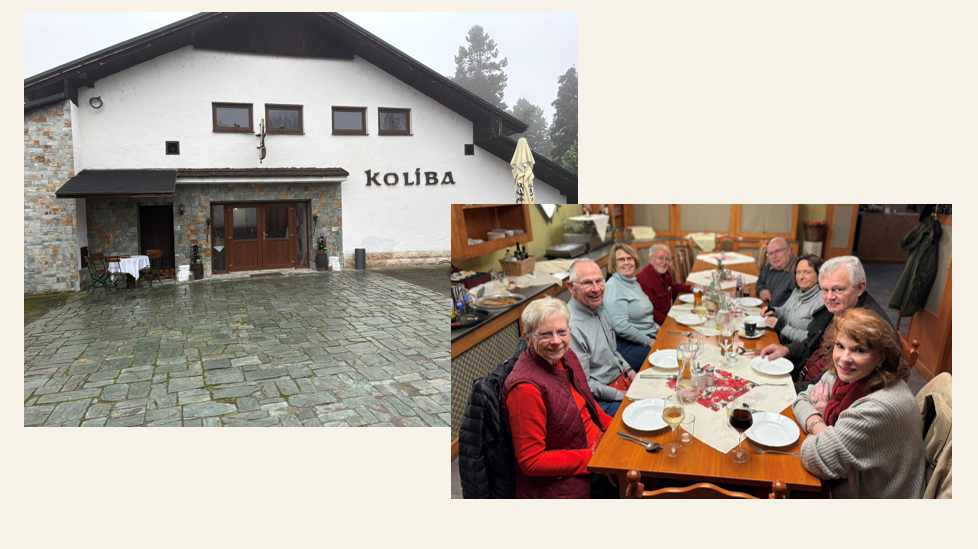
A short motorcoach ride took us to Litoměřice, where we enjoyed a traditional Czech dinner before returning to Prague for the evening.
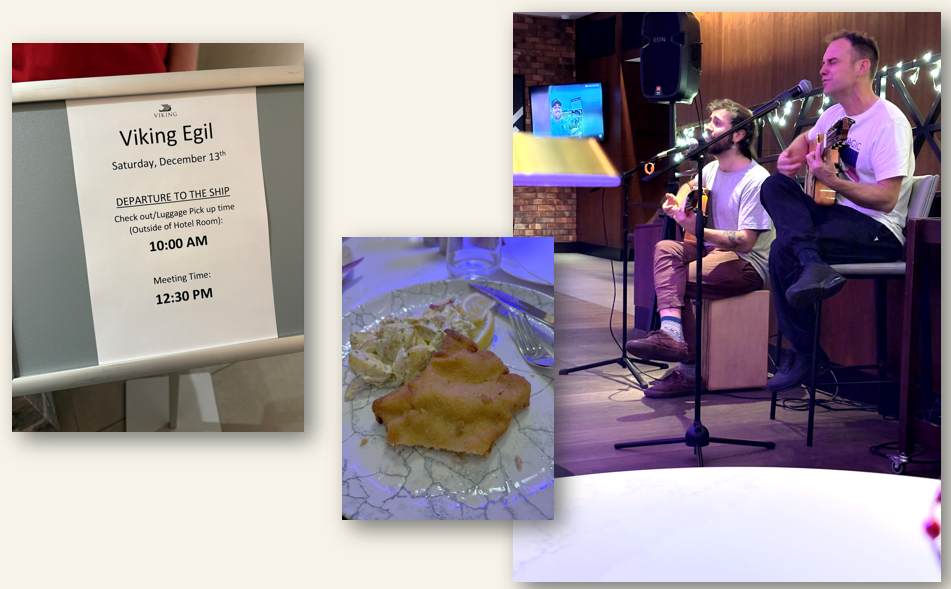
Back at the hotel, we checked the posted times for our departure to the ship the next morning. A simple schnitzel dinner in the hotel bar and a bit of Czech music ended a long, informative day.
Goodbye to Prague
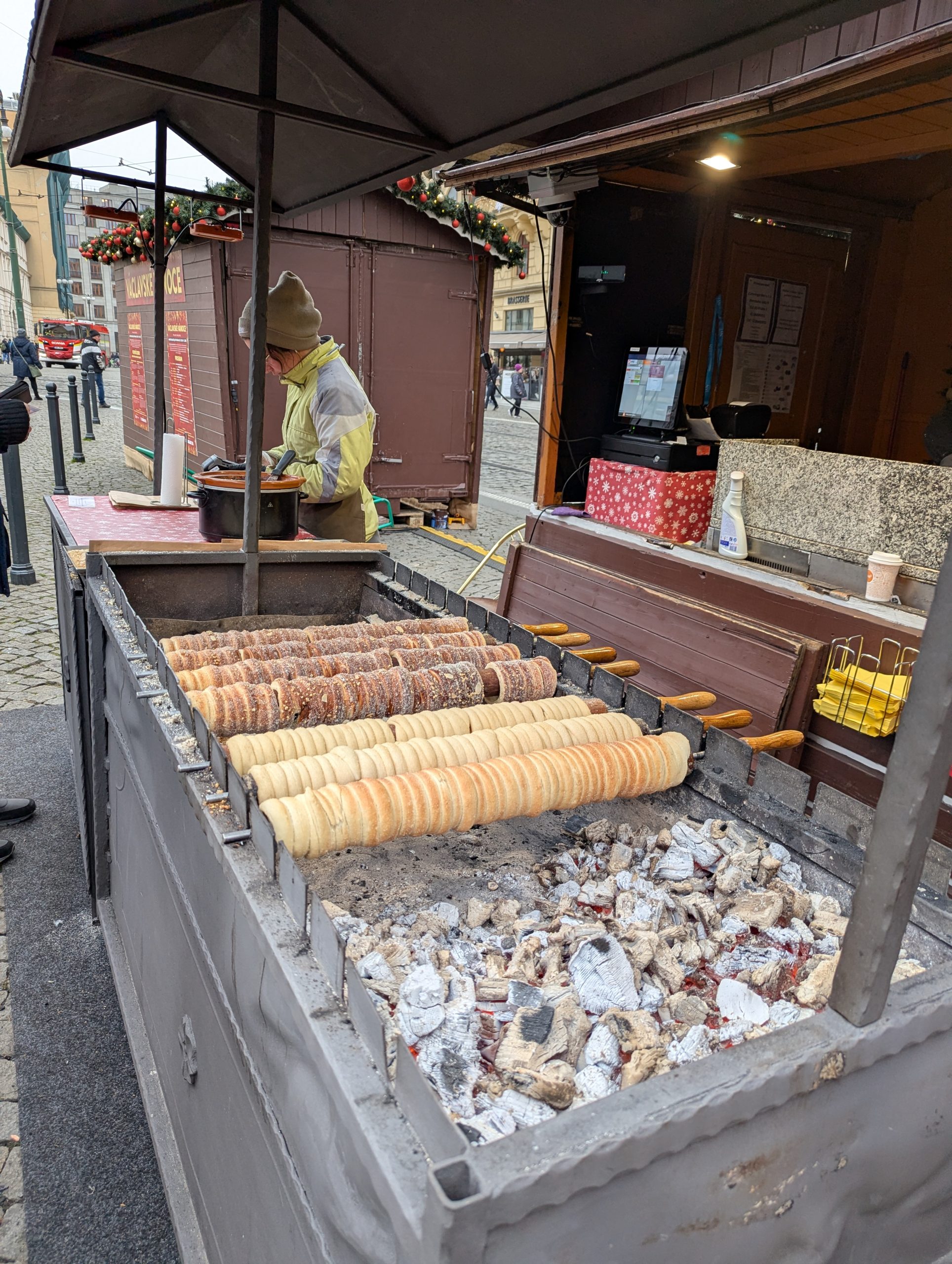
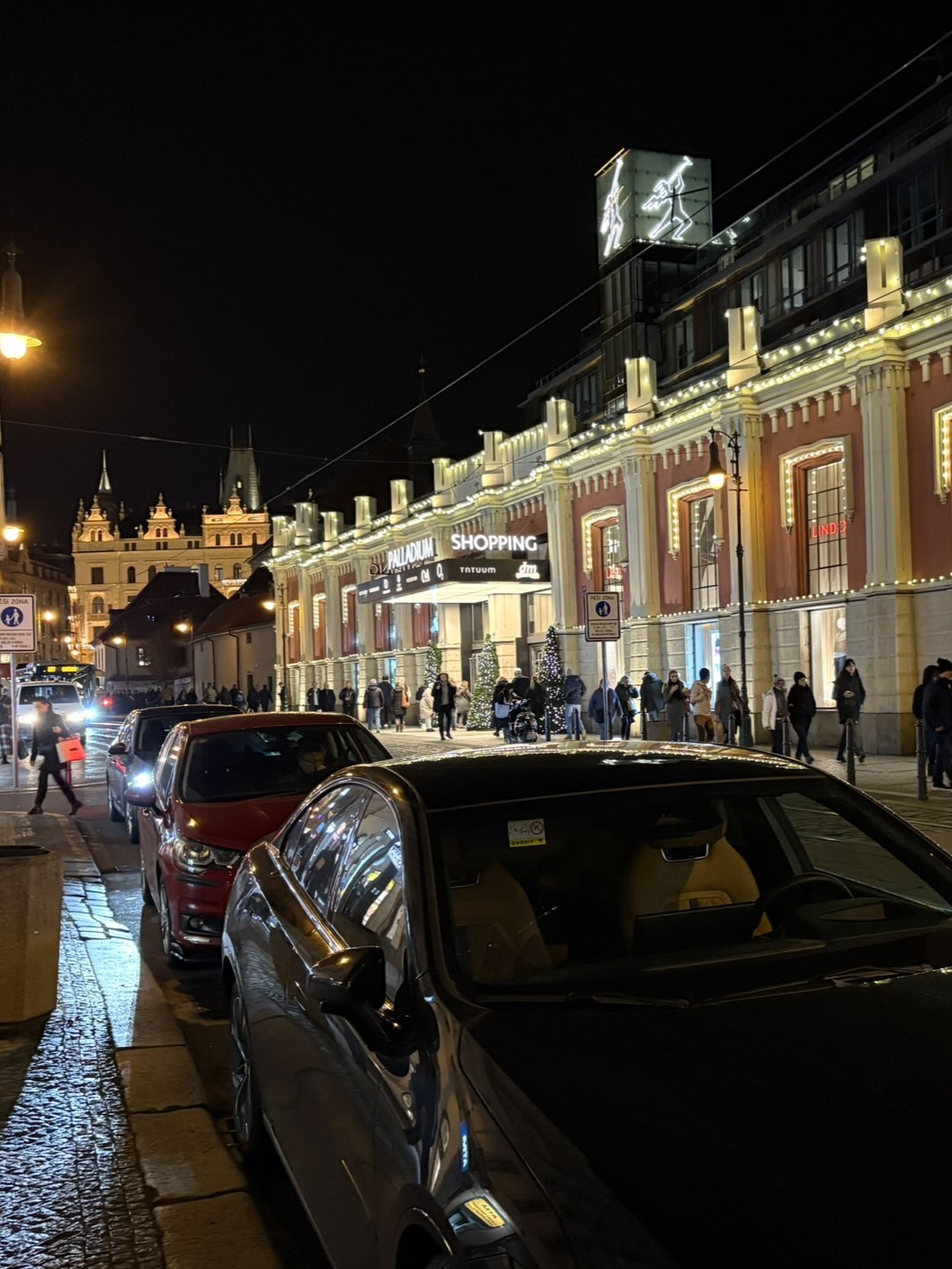
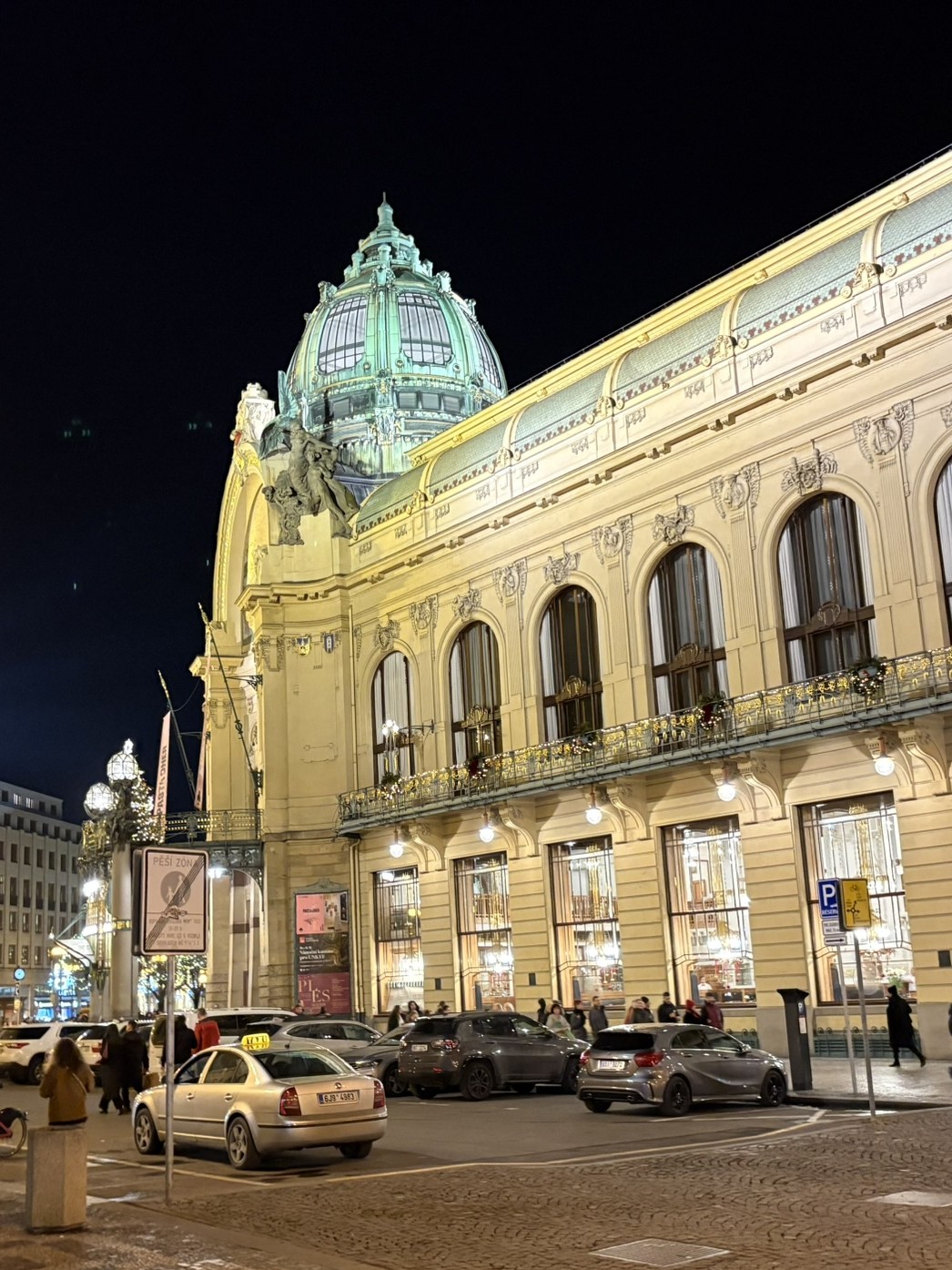
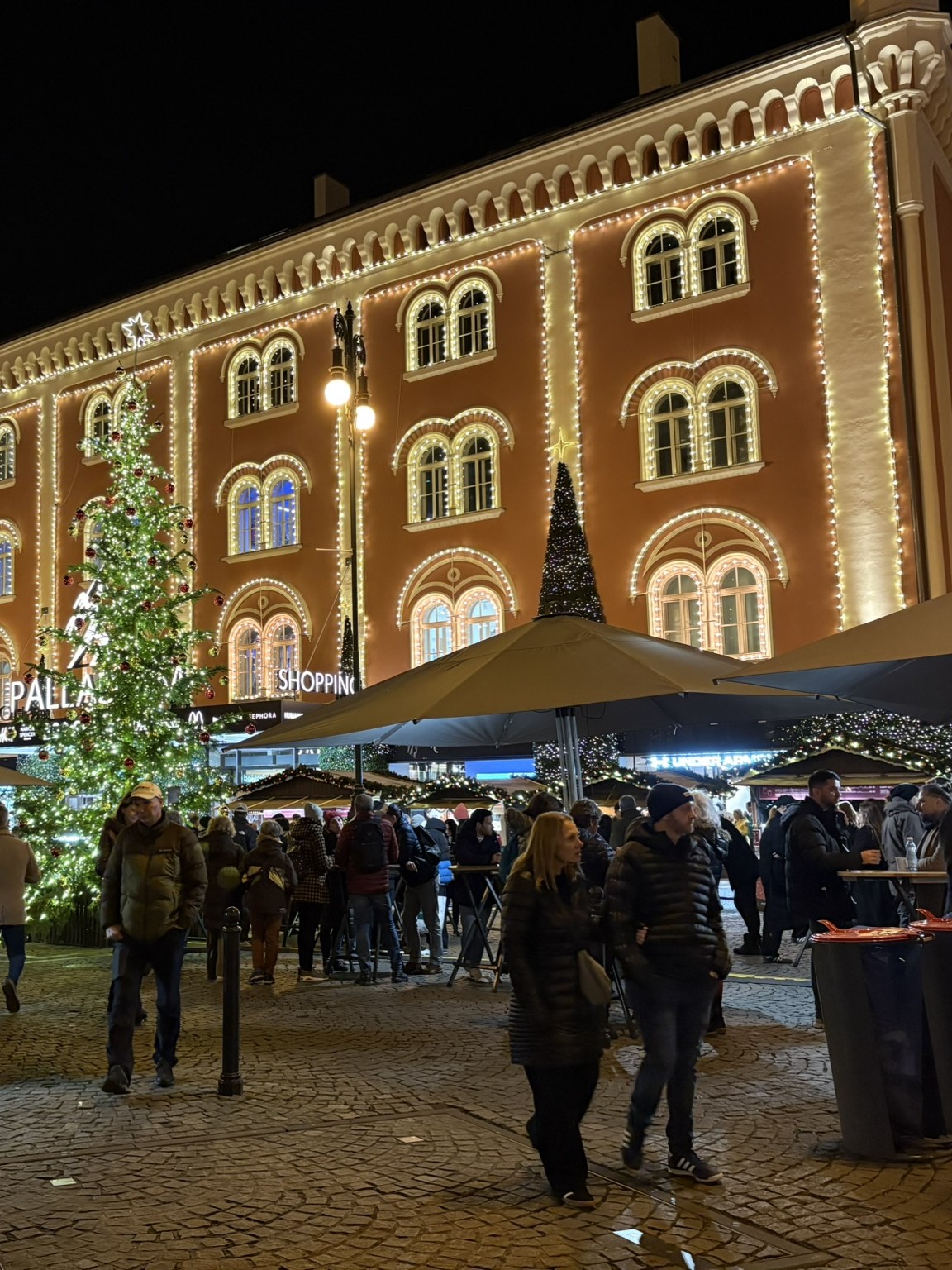
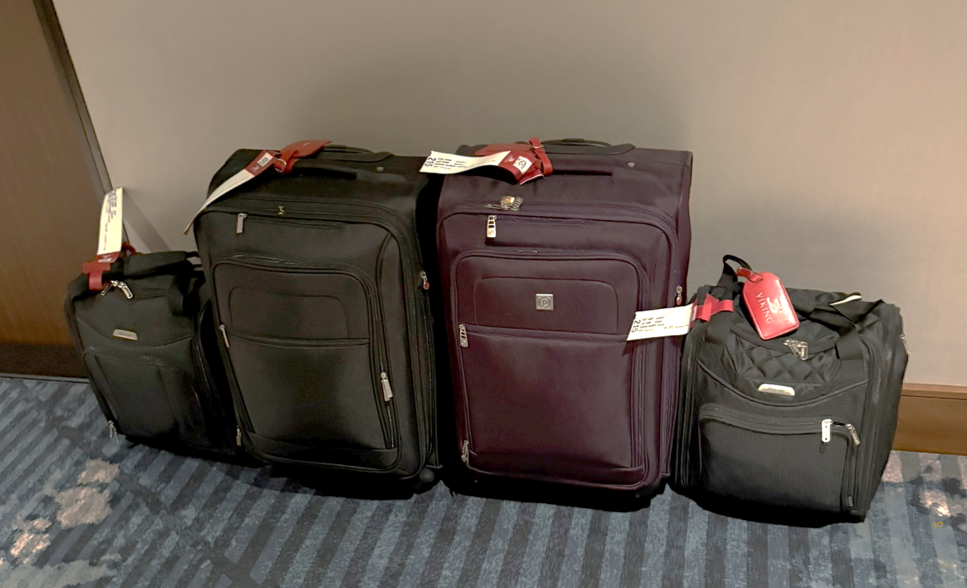
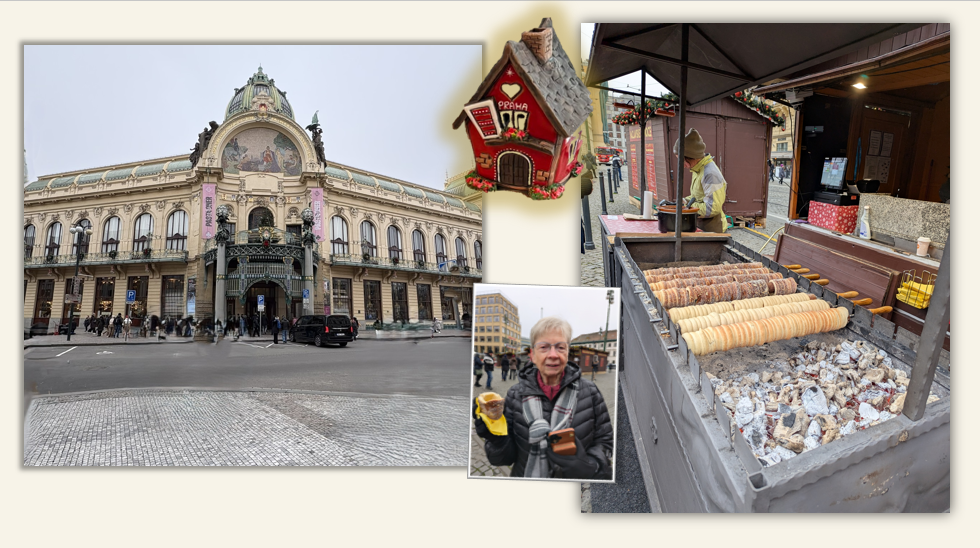
The next morning with suitcases in the hallway for pickup at the appointed time and with a few hours before the transfer to Regensburg, we ventured out for one last look around Prague. Dorothy had spotted a small house‑shaped candle holder at the market near our hotel and didn’t want to leave without it, so that became the first stop. Another nearby market offered a sugar‑covered chimney cake — one of Gary’s must‑dos in Prague. It was warm, messy, and exactly the kind of treat that makes travel fun. The beautiful buildings surrounding us were beautiful in the morning light. The Municipal House (Obecní dům), now a concert hall, was especially intriguing. Inside, signs indicated that a concert was scheduled for the day, so visitors weren’t being admitted. When the cold and wind became unbearable, the warmth of the hotel was a welcome retreat while waiting for the transfer to Regensburg.
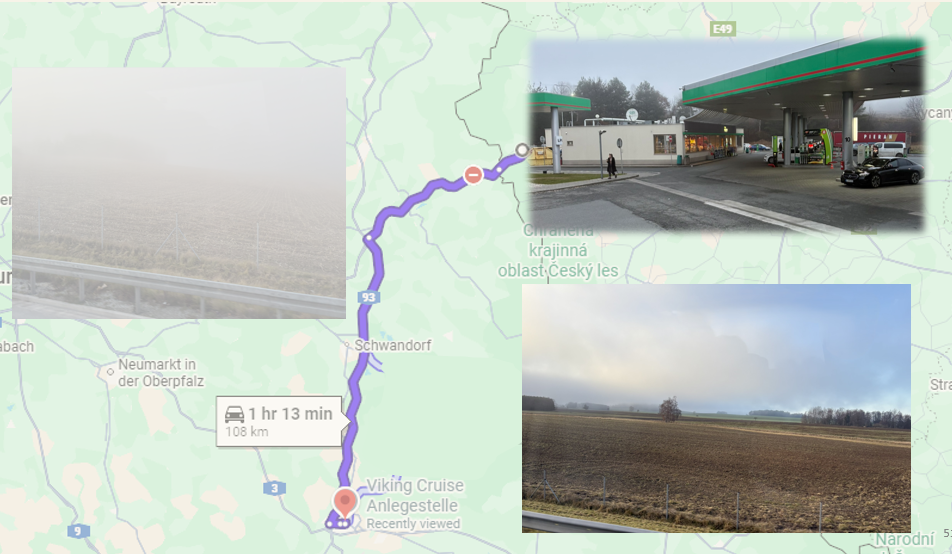
Around noon, our motorcoach arrived, and it was time to say goodbye to Prague. Dorothy was glad to have finally seen the city; she had been ill during her first two visits. On the trip to Regensburg, the guide described the countryside and the towns along the way, though the fog made it difficult to see much. Every so often it lifted just long enough to reveal the landscape. A stop in Rozcesti gave passengers a chance to stretch their legs and allowed the driver to take his break. Once back on the road, it wasn’t long before the route crossed into Germany, and as day was turning into early night, Regensburg came into view Our stateroom was a welcome sight after a long day of travel. We were more than ready to relax and enjoy the Viking lifestyle.