Berlin
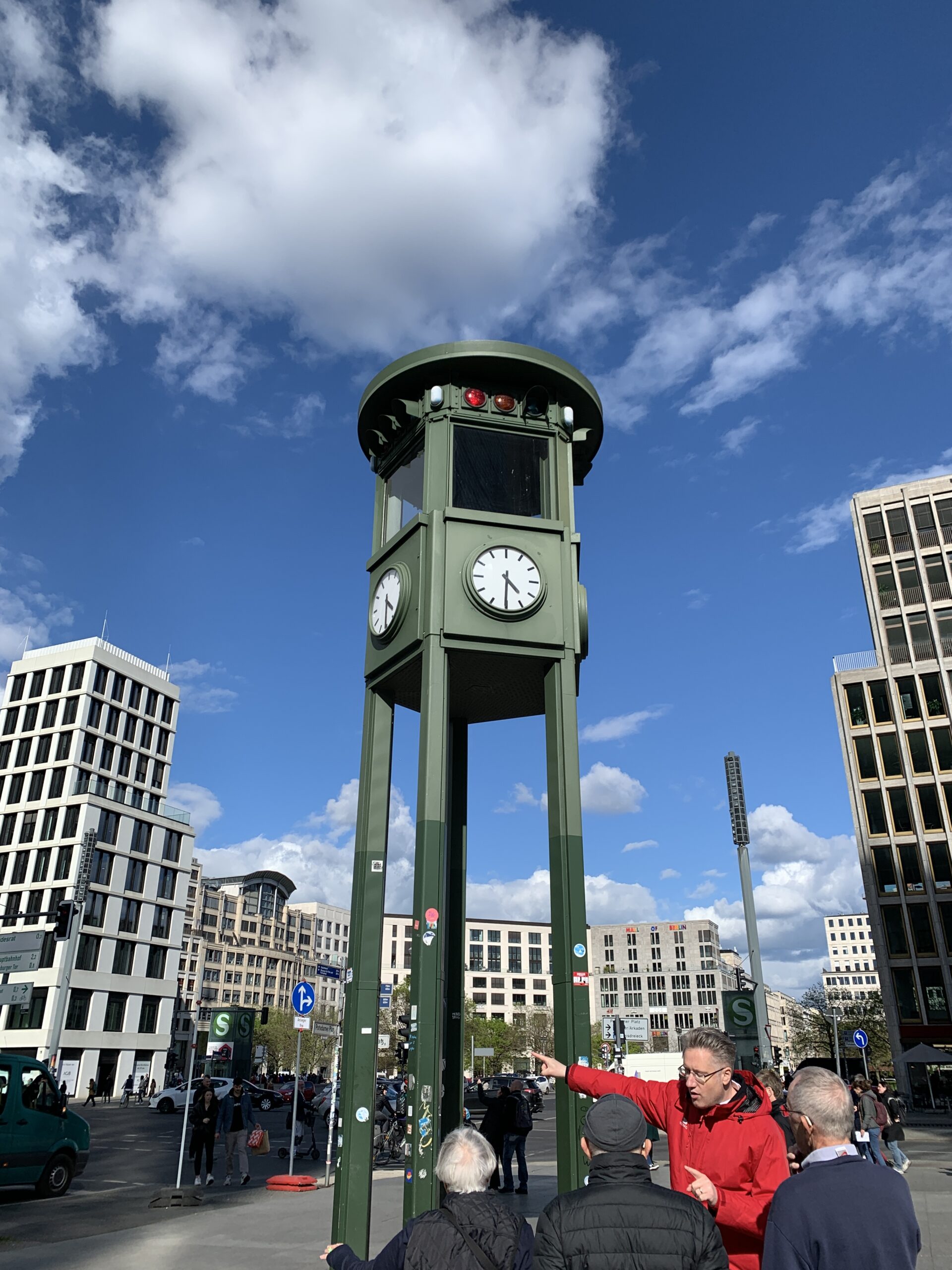
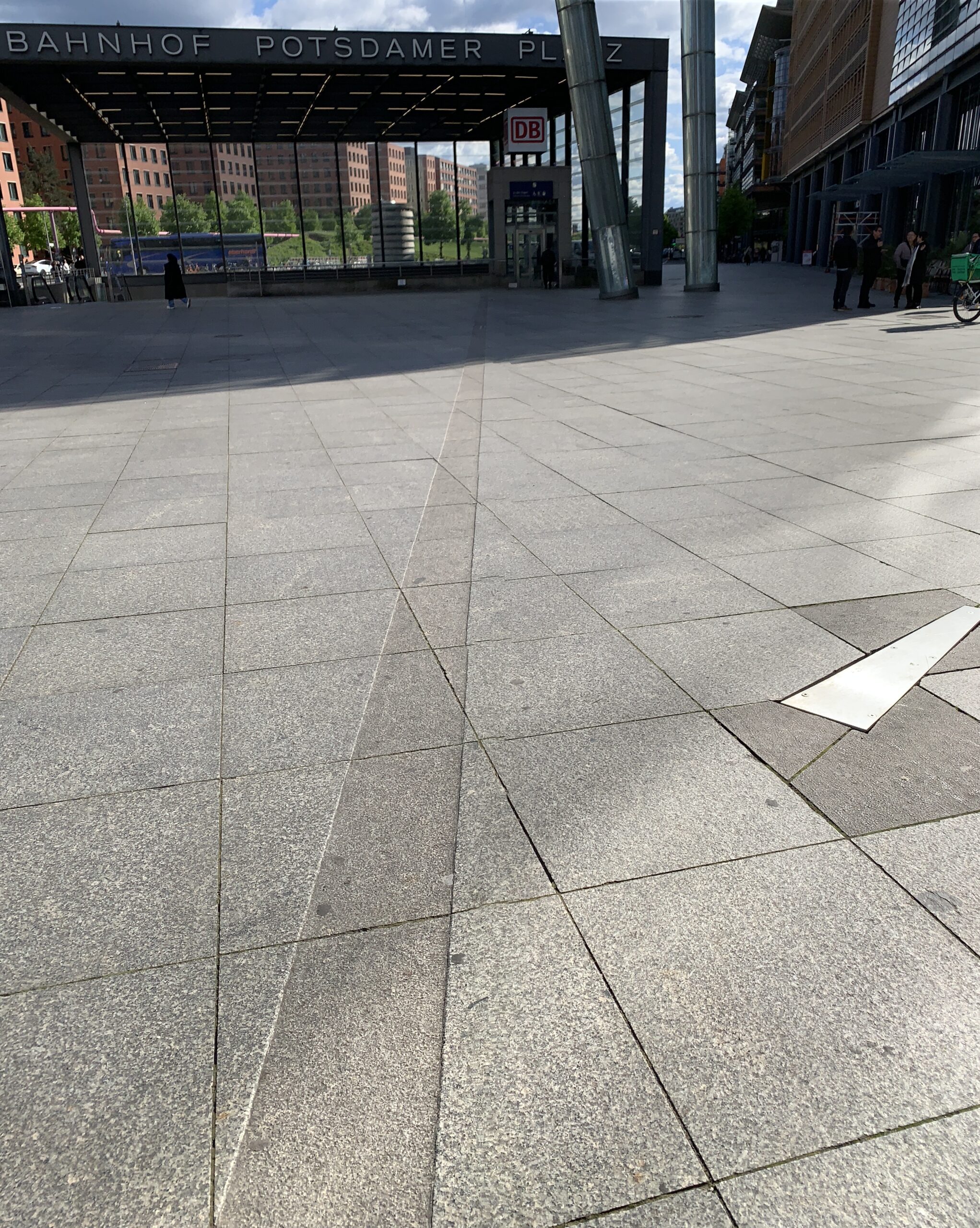
Berlin was an interesting city. Immediately after checking into our hotel, our tour director took us on a walking tour of the vicinity, pointing out local dining spots and shopping areas. We paused at a strip of tiles embedded in the pavement, denoting the previous location of the Berlin Wall, a moving reminder of the city's historical divide. We went by the original traffic light in Berlin, which serves as a historic landmark. The walk was a nice way to start our visit to Berlin.
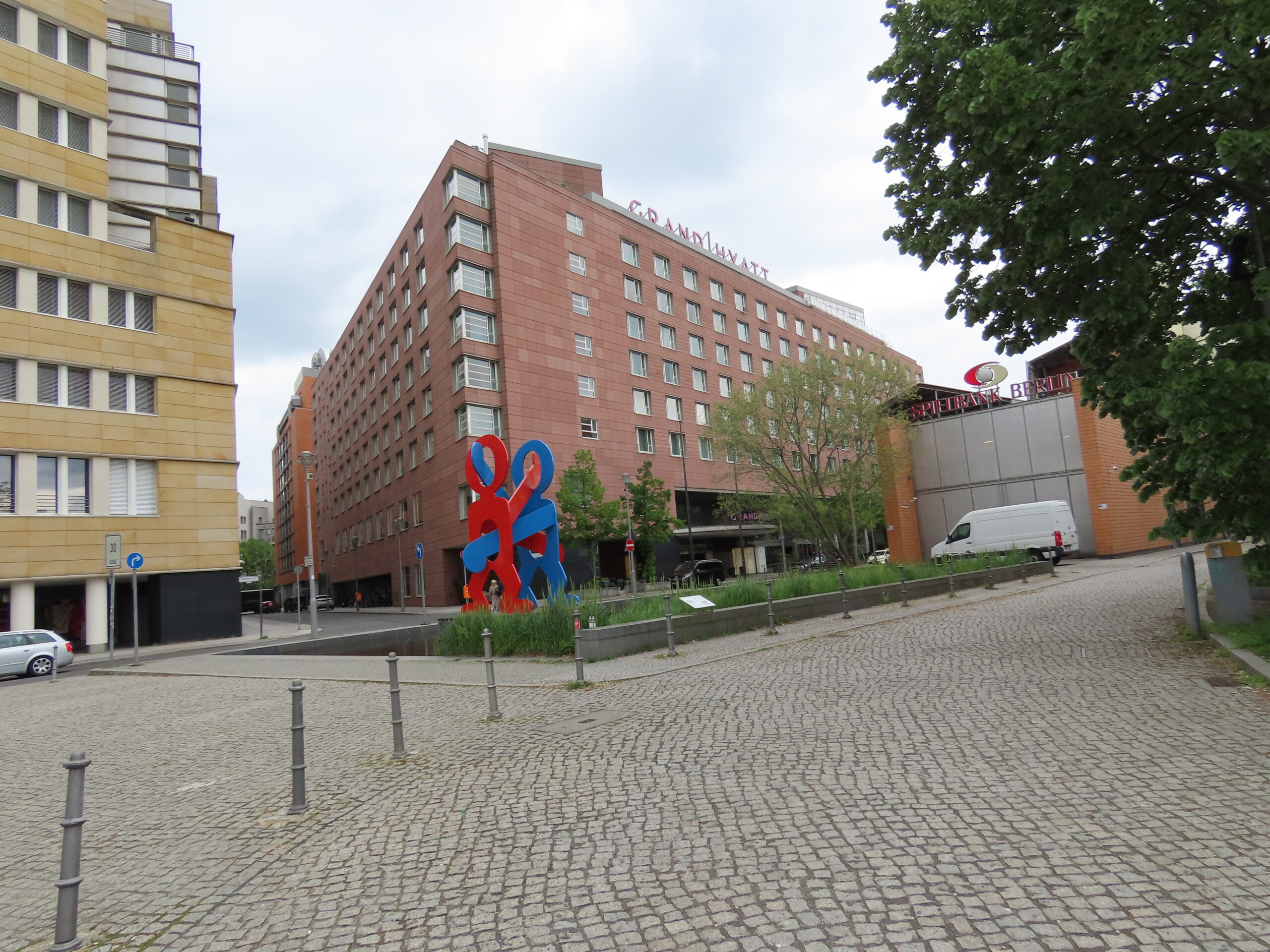
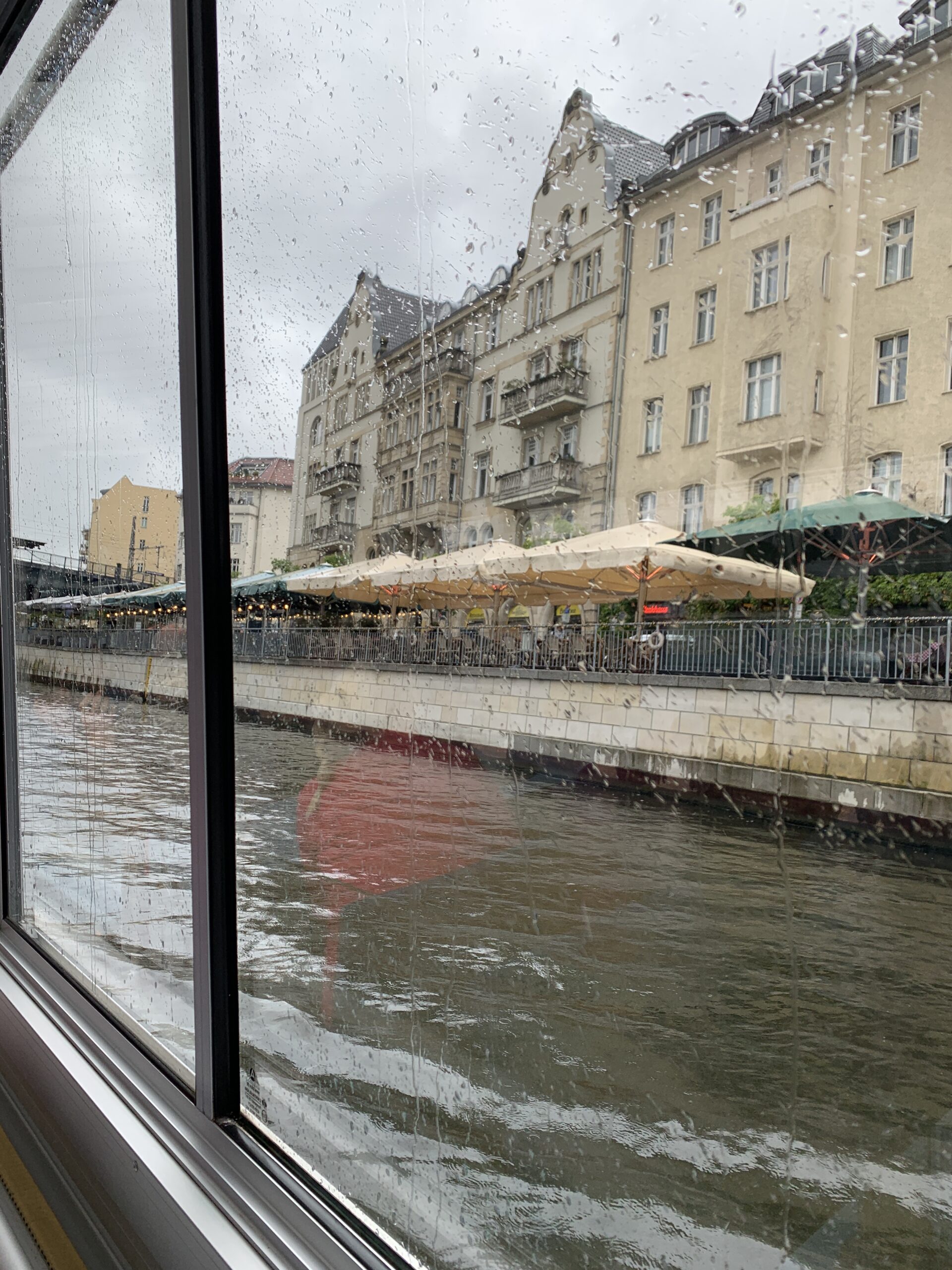
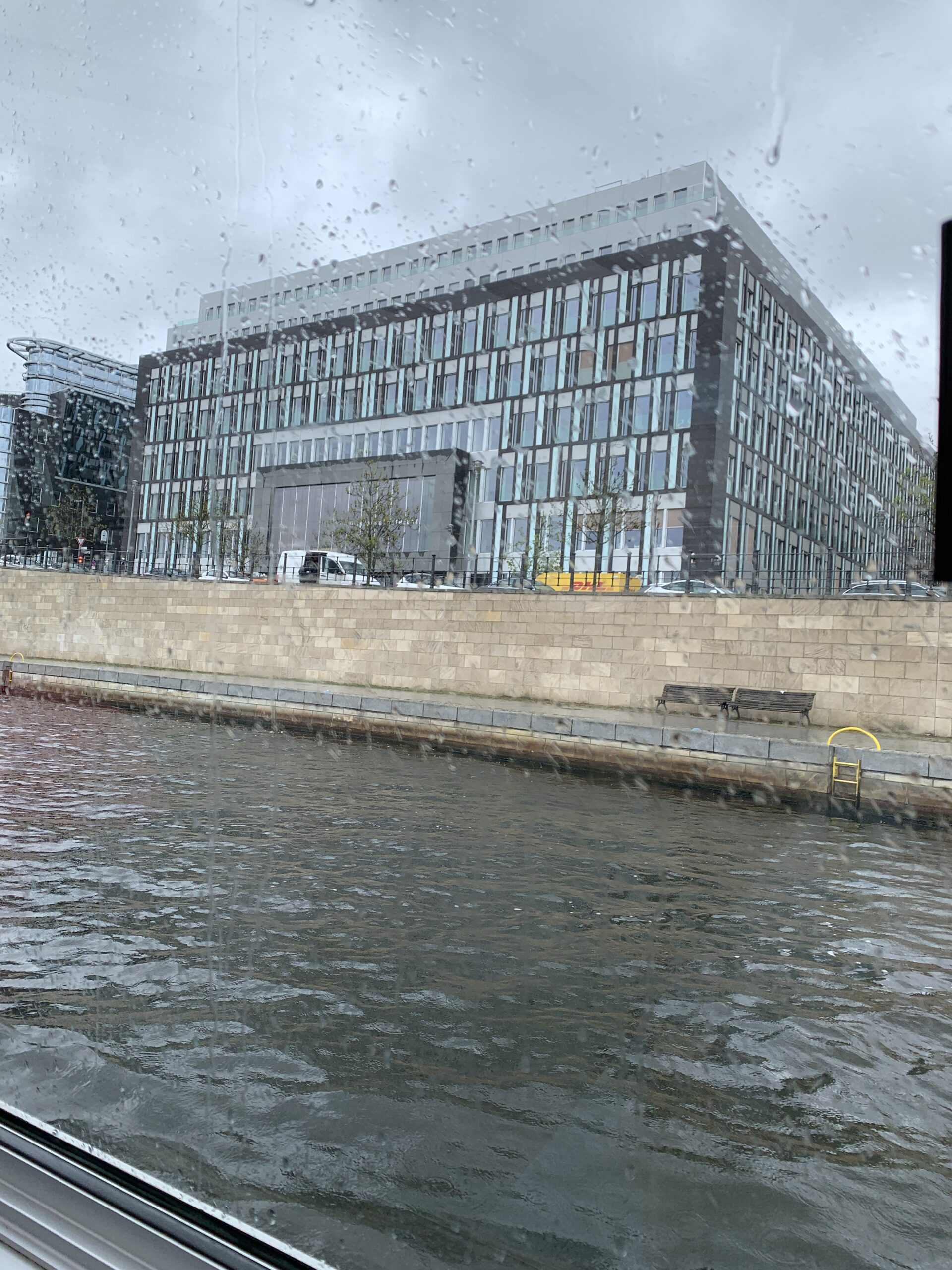
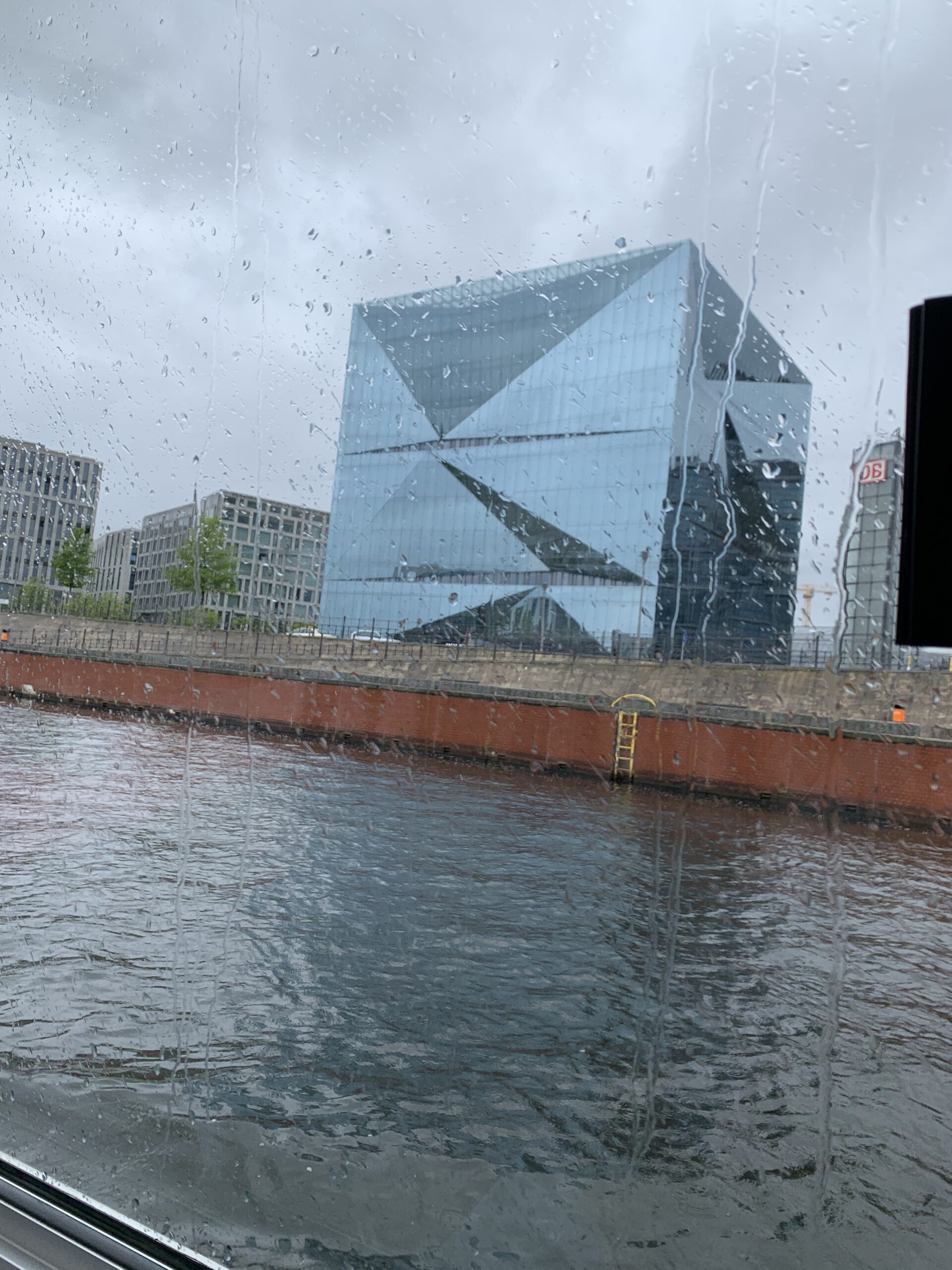
The next morning it was raining, but we didn't let that stop us. Our City Tour boat ride took us through a part of the city that had been rebuilt since World War II. There was a mix of restored old buildings and modern new ones.
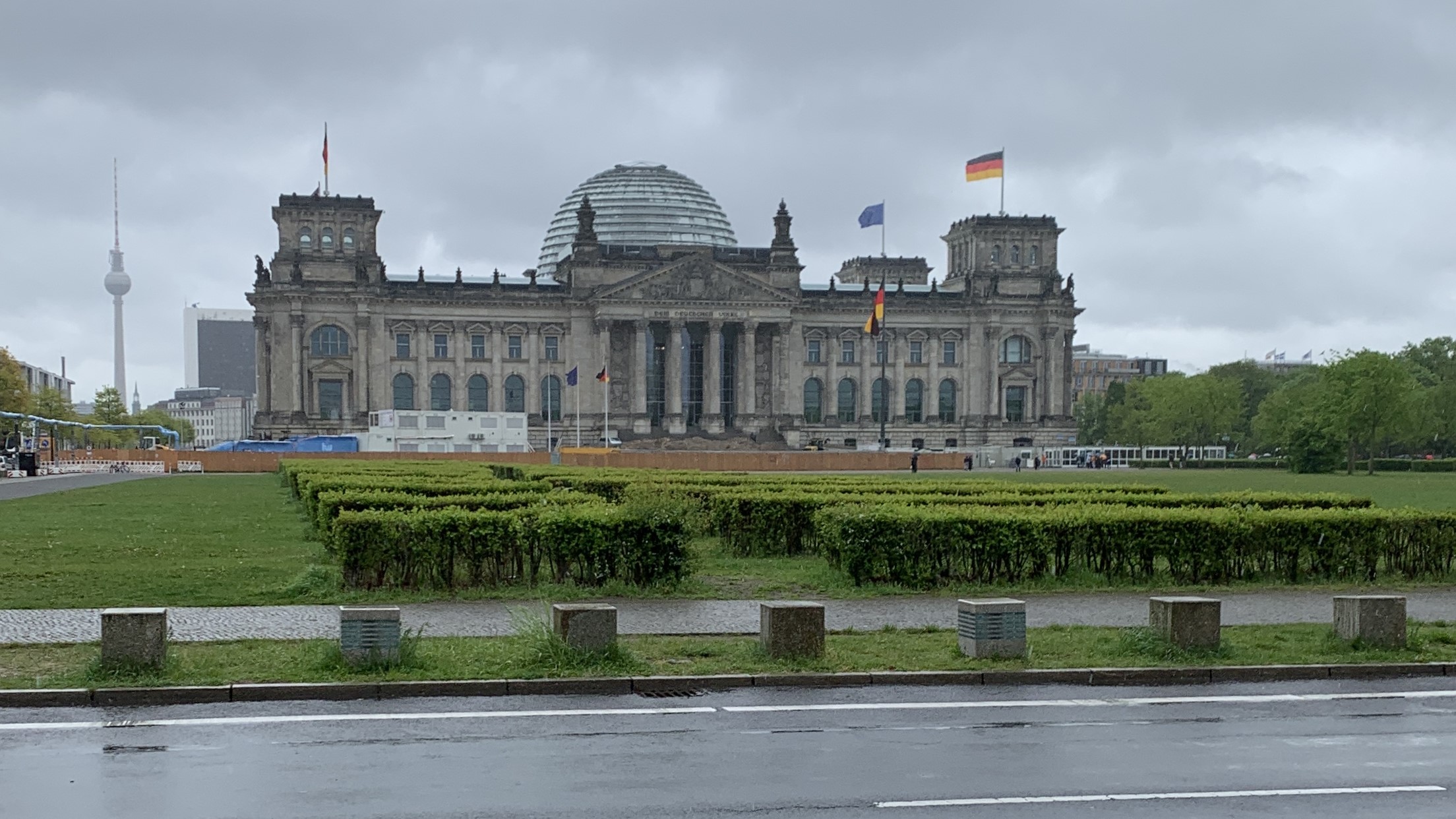
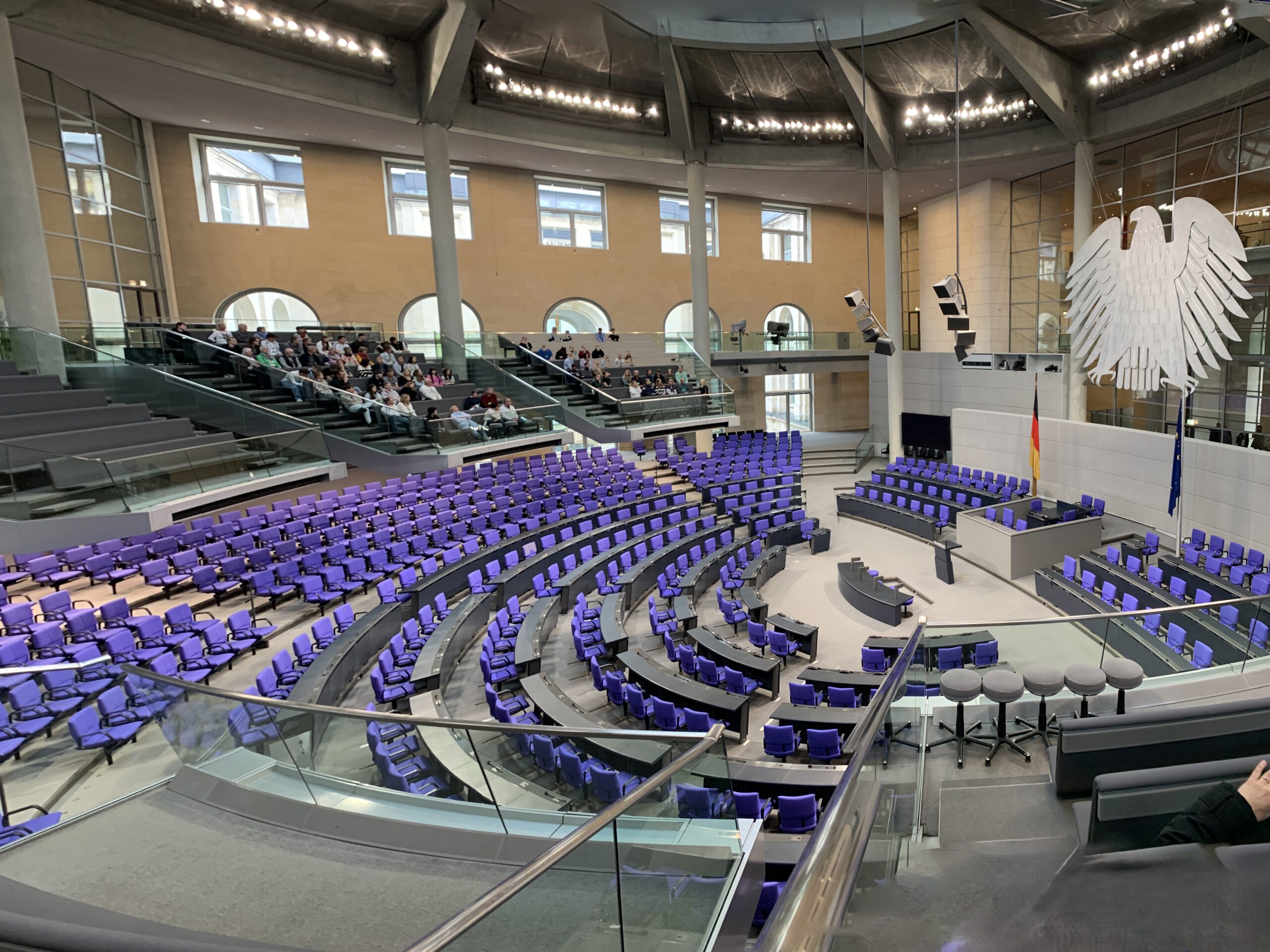
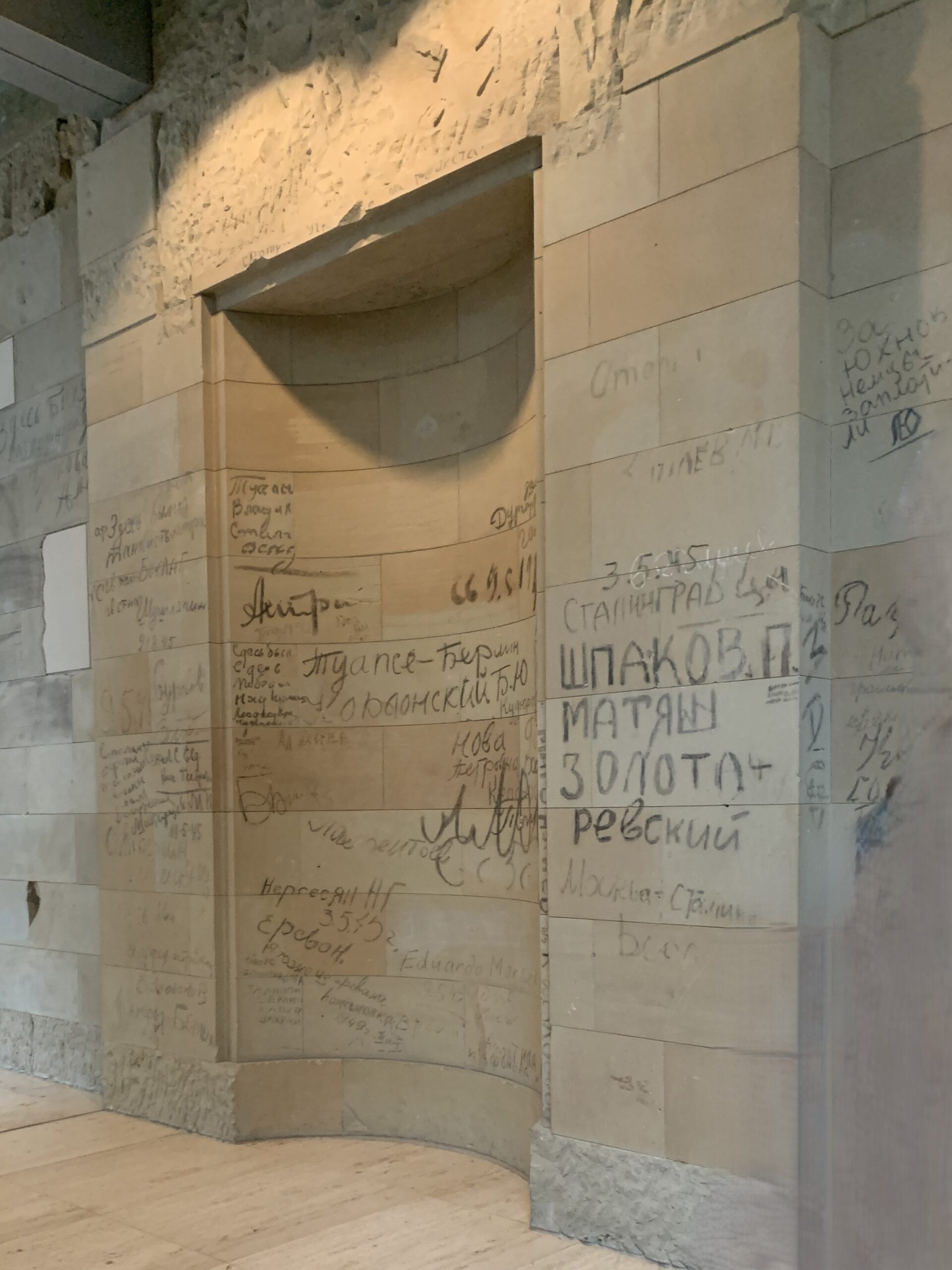
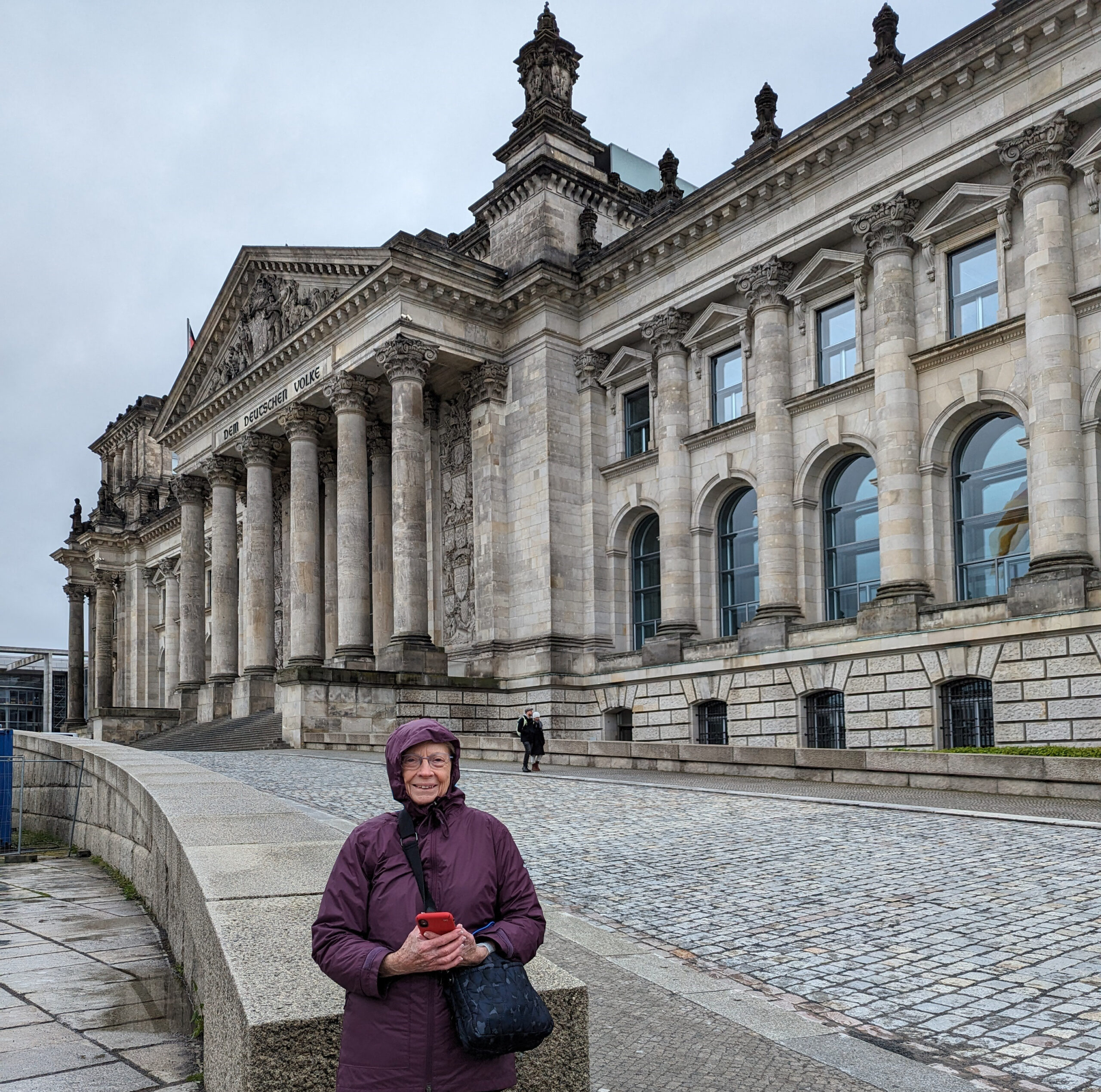
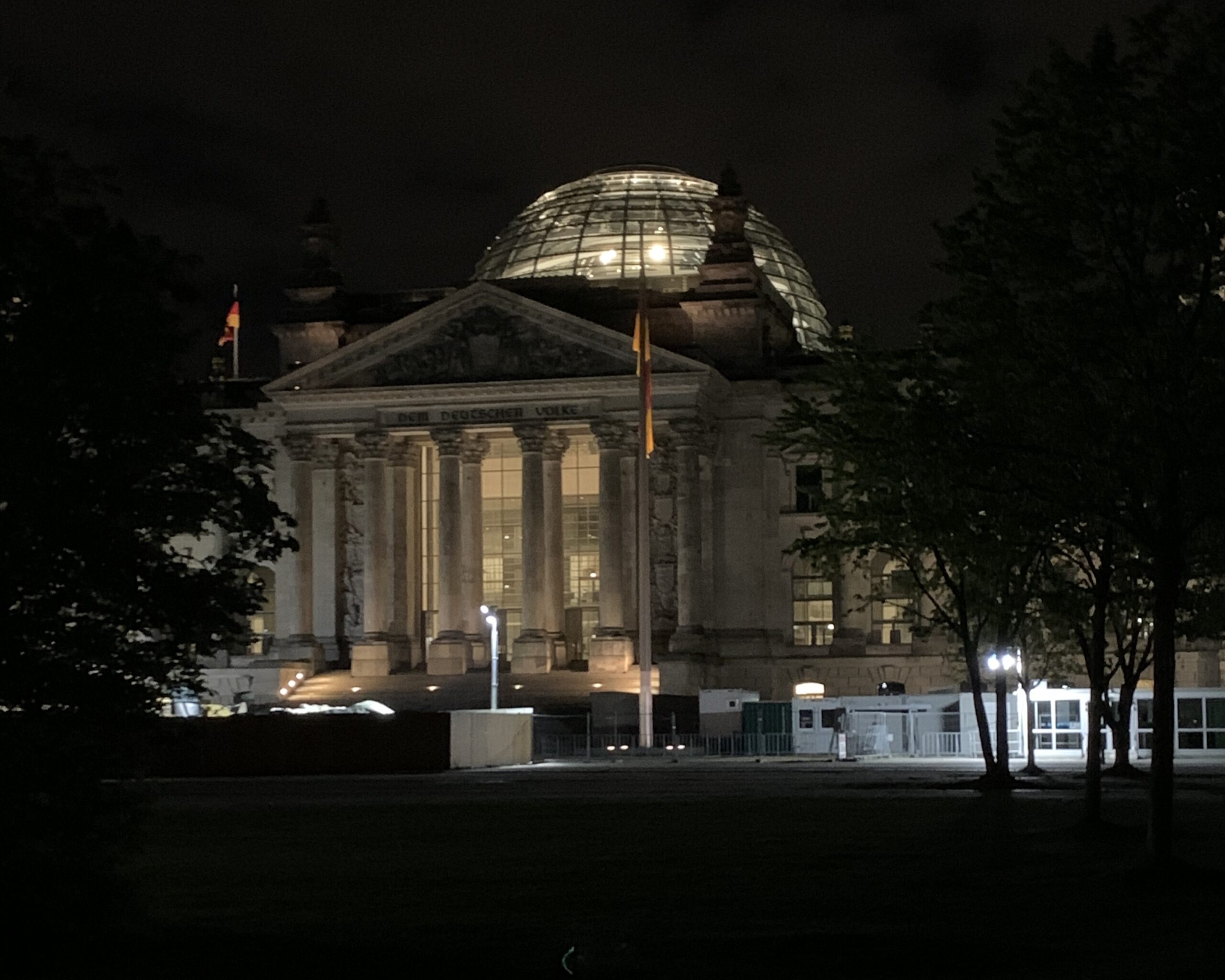
We visited the Reichstag, the seat of the German Parliament. There, we observed the meeting chambers and the preserved graffiti left by Soviet soldiers who liberated Berlin at the end of World War II. That day we walked over 10 miles, mostly in cold rain.
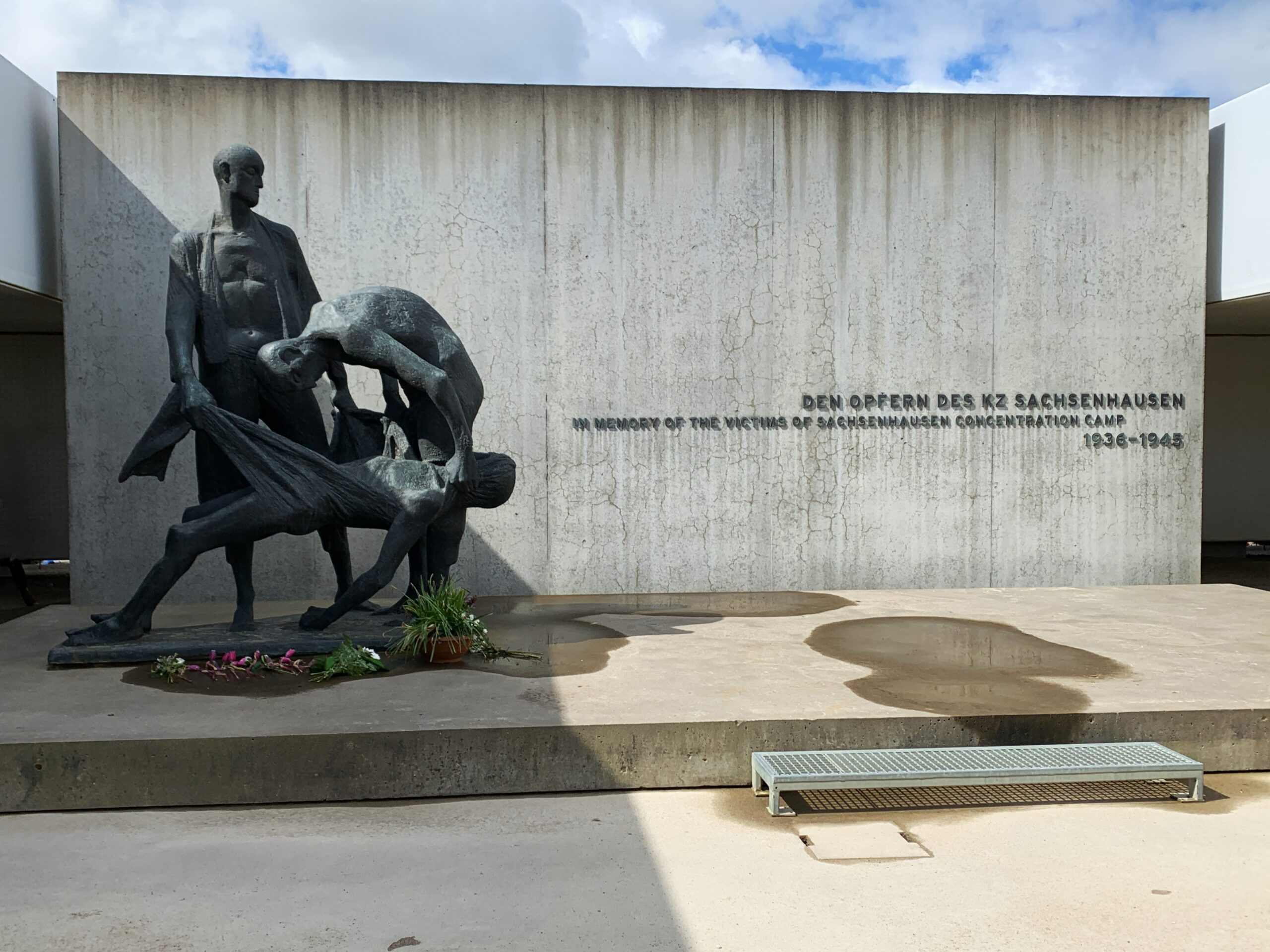
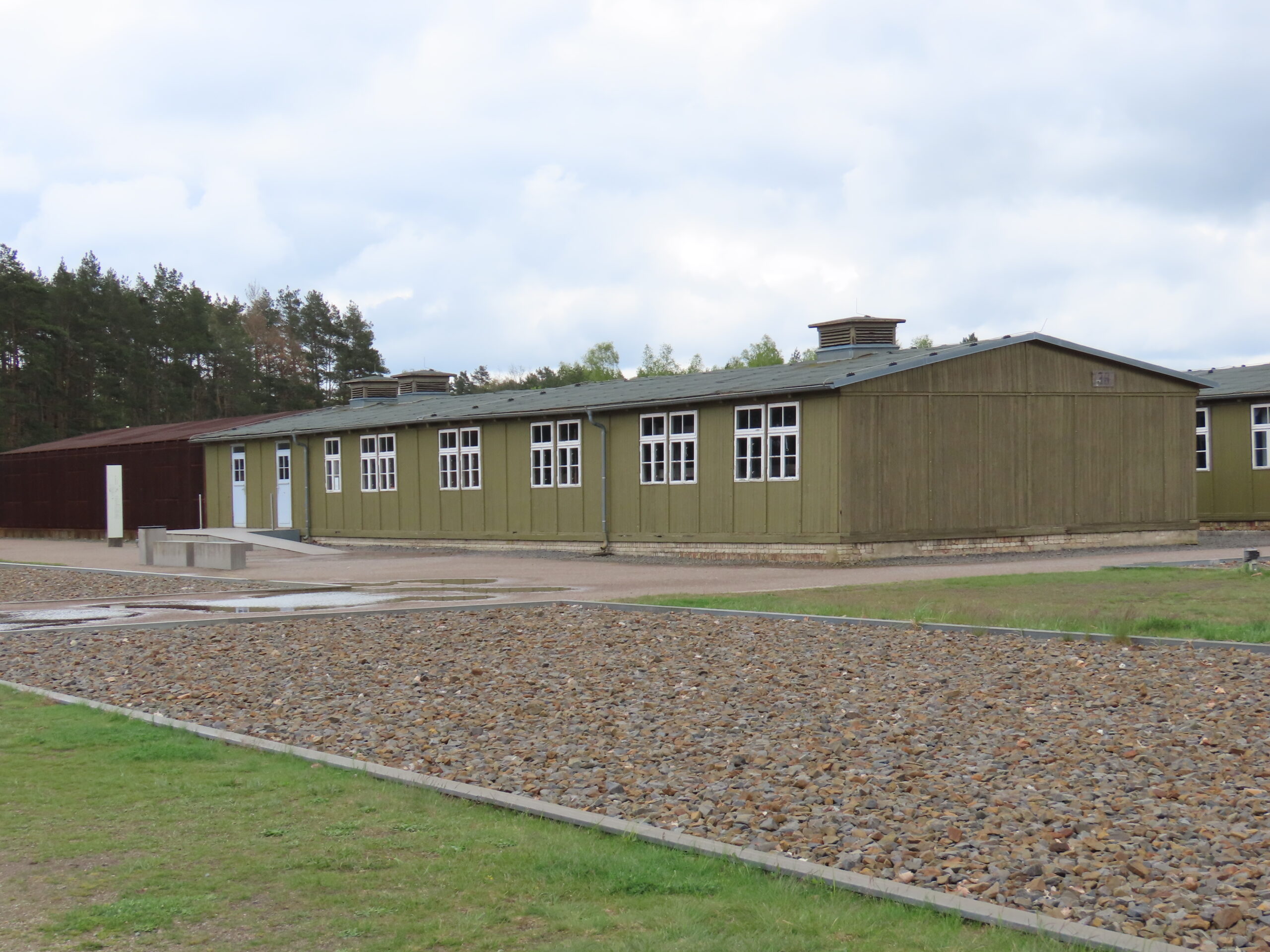
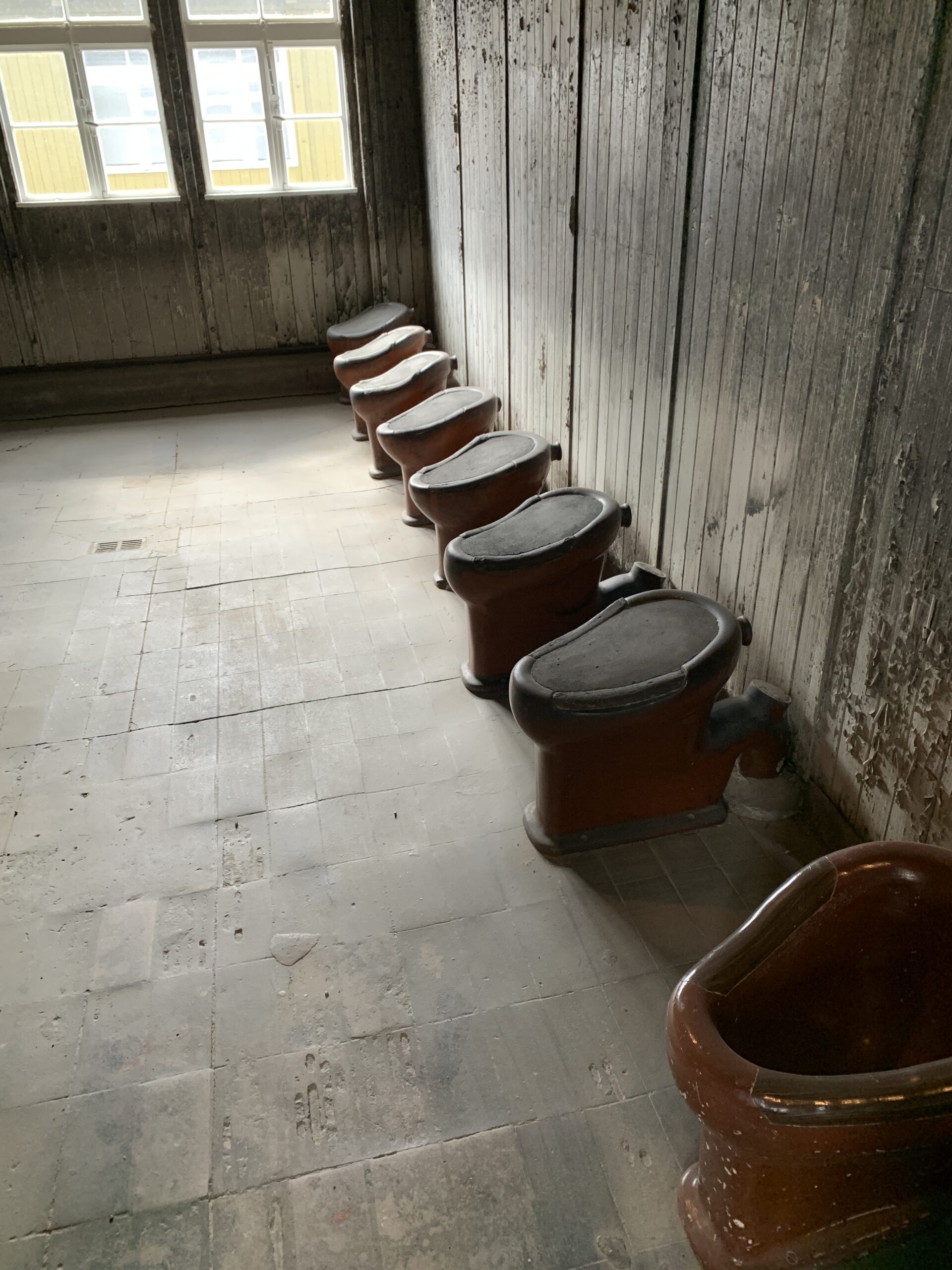
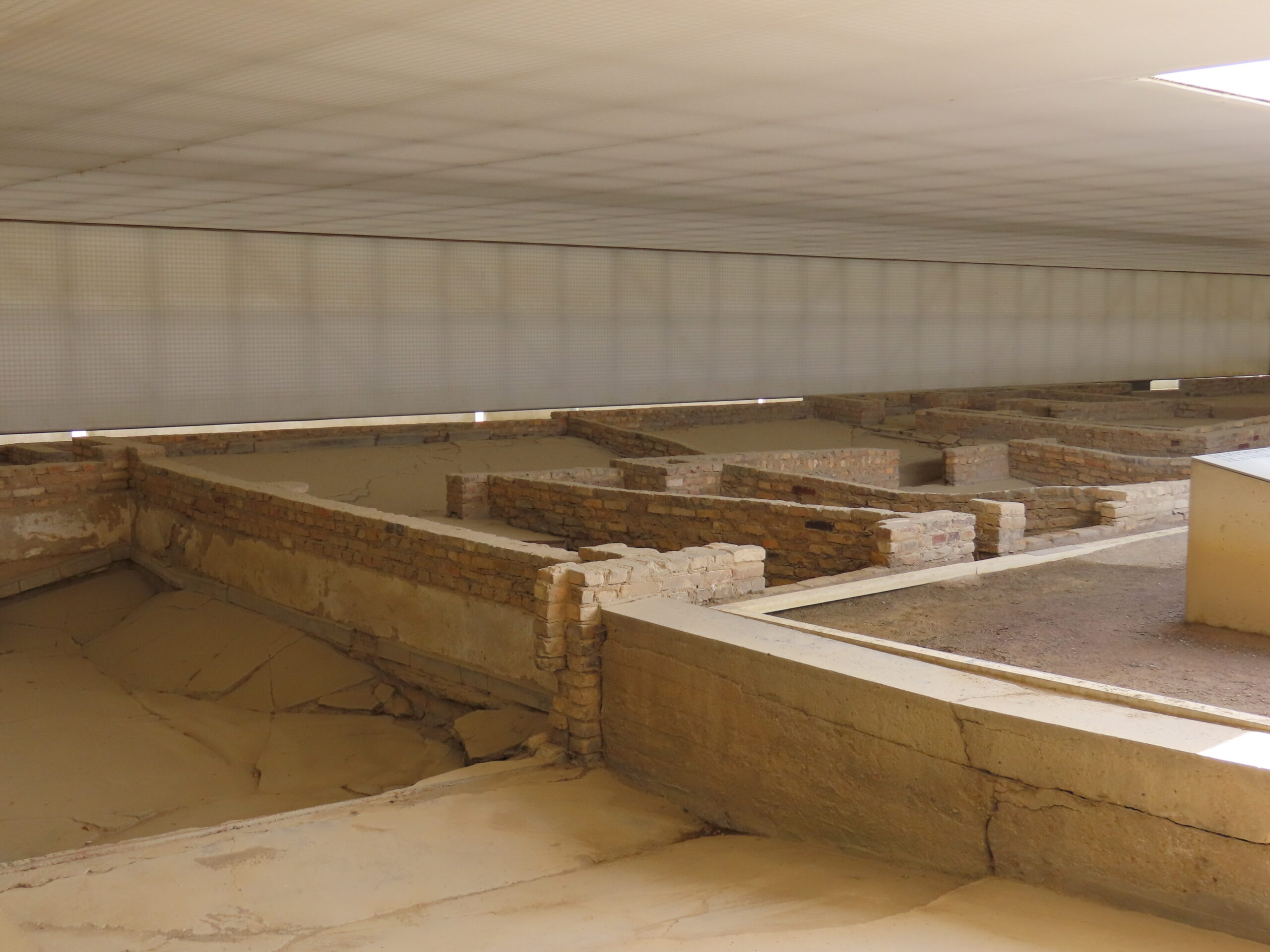
The following day, we toured the Sachsenhausen Concentration Camp. The experience was sobering yet enlightening. We saw a reconstructed Jewish barrack, which had been restored after the original was destroyed by an anti-Semitic group. The conditions in the barracks were awful. Everything in the camp was aimed at getting the most work out of prisoners possible. The living conditions were gruesome. The most harrowing aspect was the gas chambers.
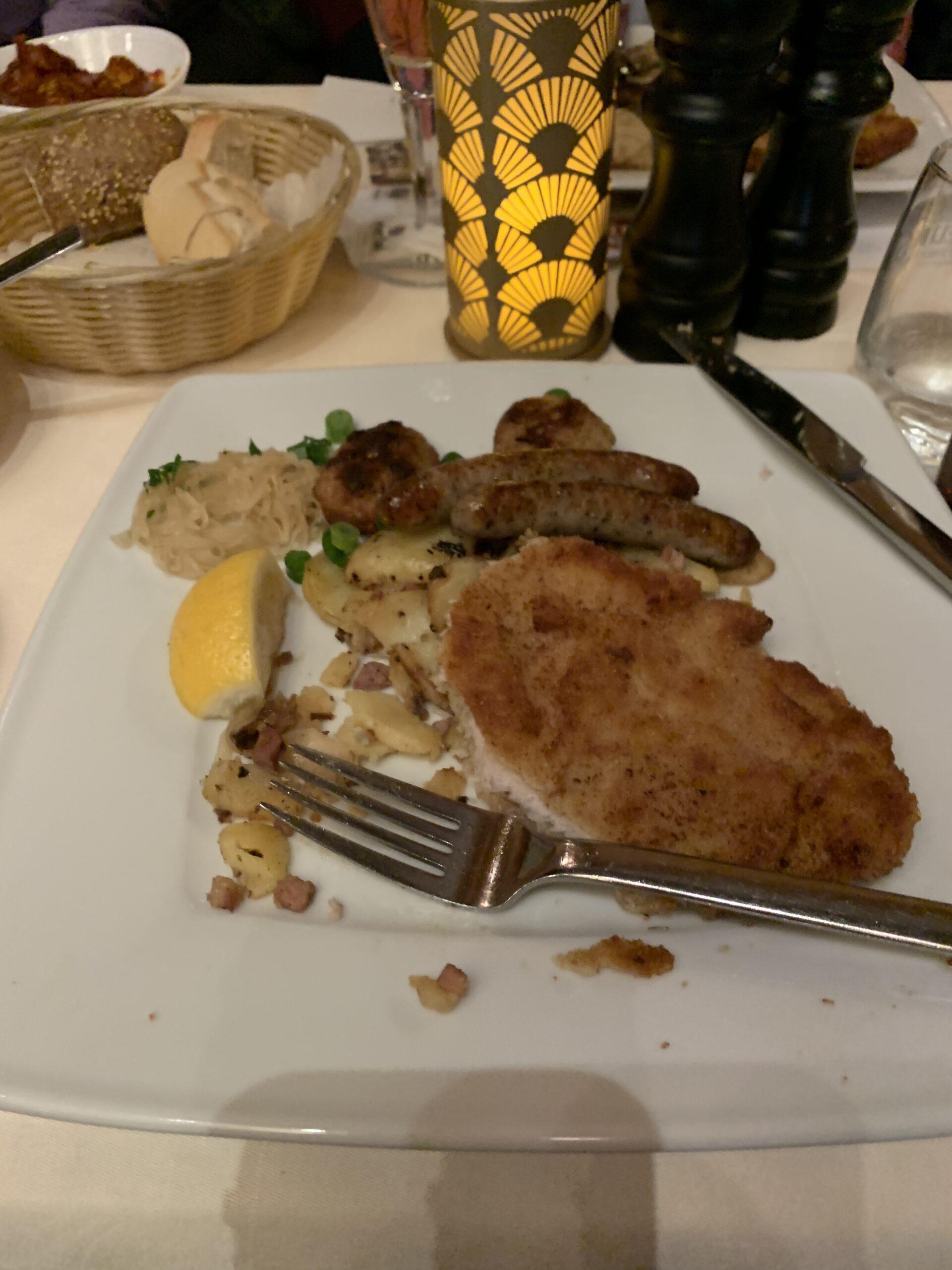
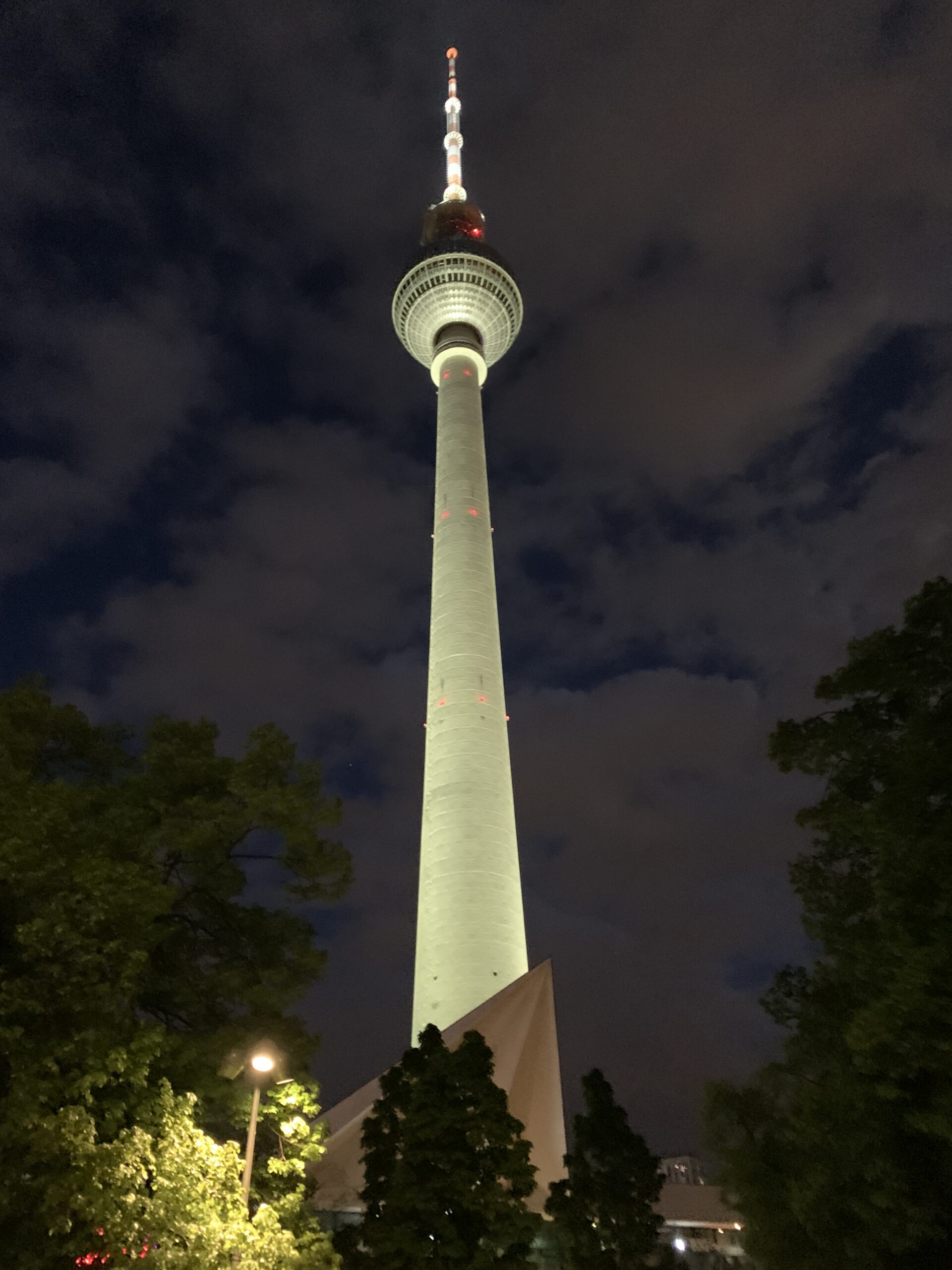
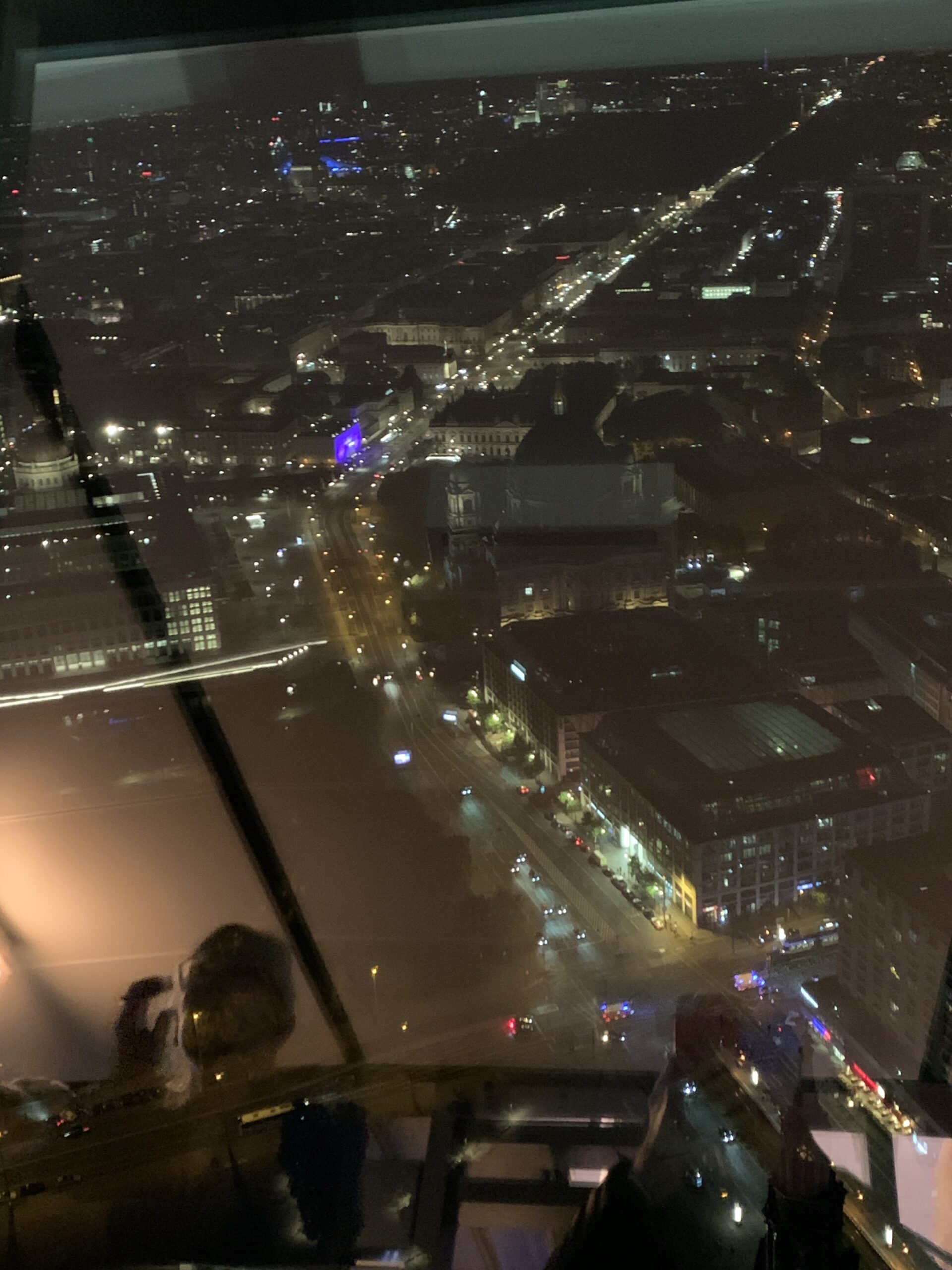
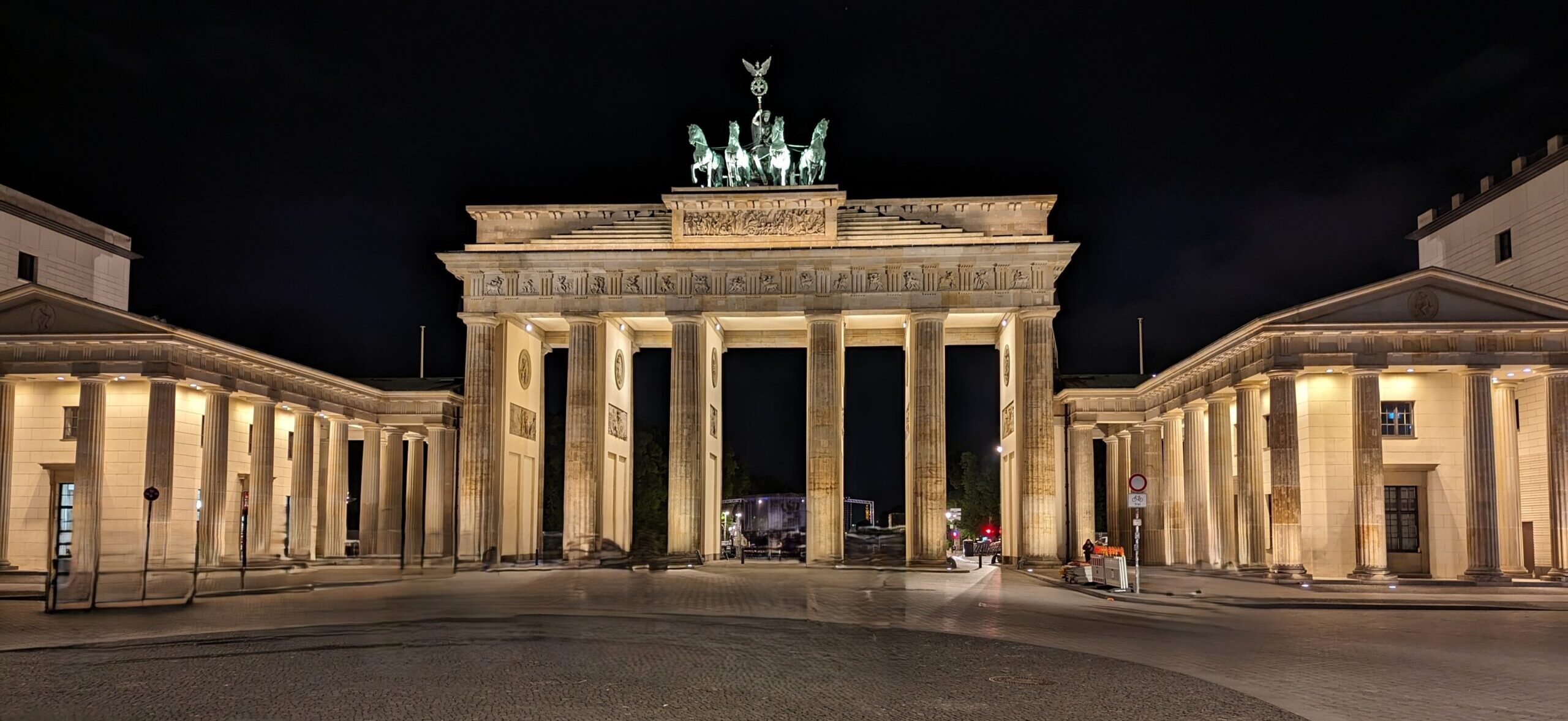
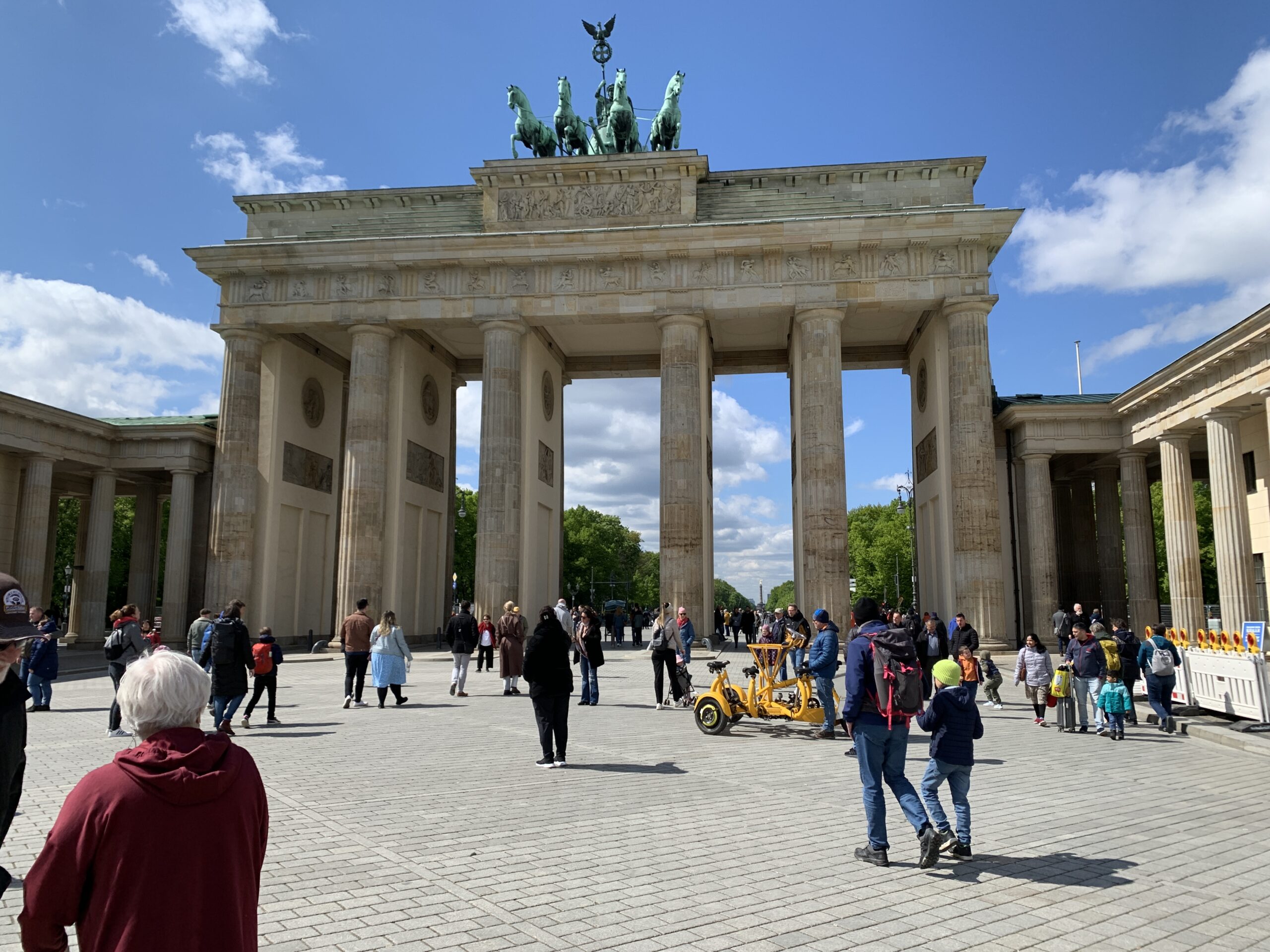
That evening, we enjoyed a delightful German dinner, followed by a tour of Berlin. Our bus tour wound through the city, passing Berlin's landmarks illuminated against the night sky. We stopped at the TV Tower and took the elevator to the top, where we were greeted with a sweeping view of Berlin's cityscape. The visit to the Brandenburg Gate stood out as a highlight of our trip, its nighttime beauty truly captivating.
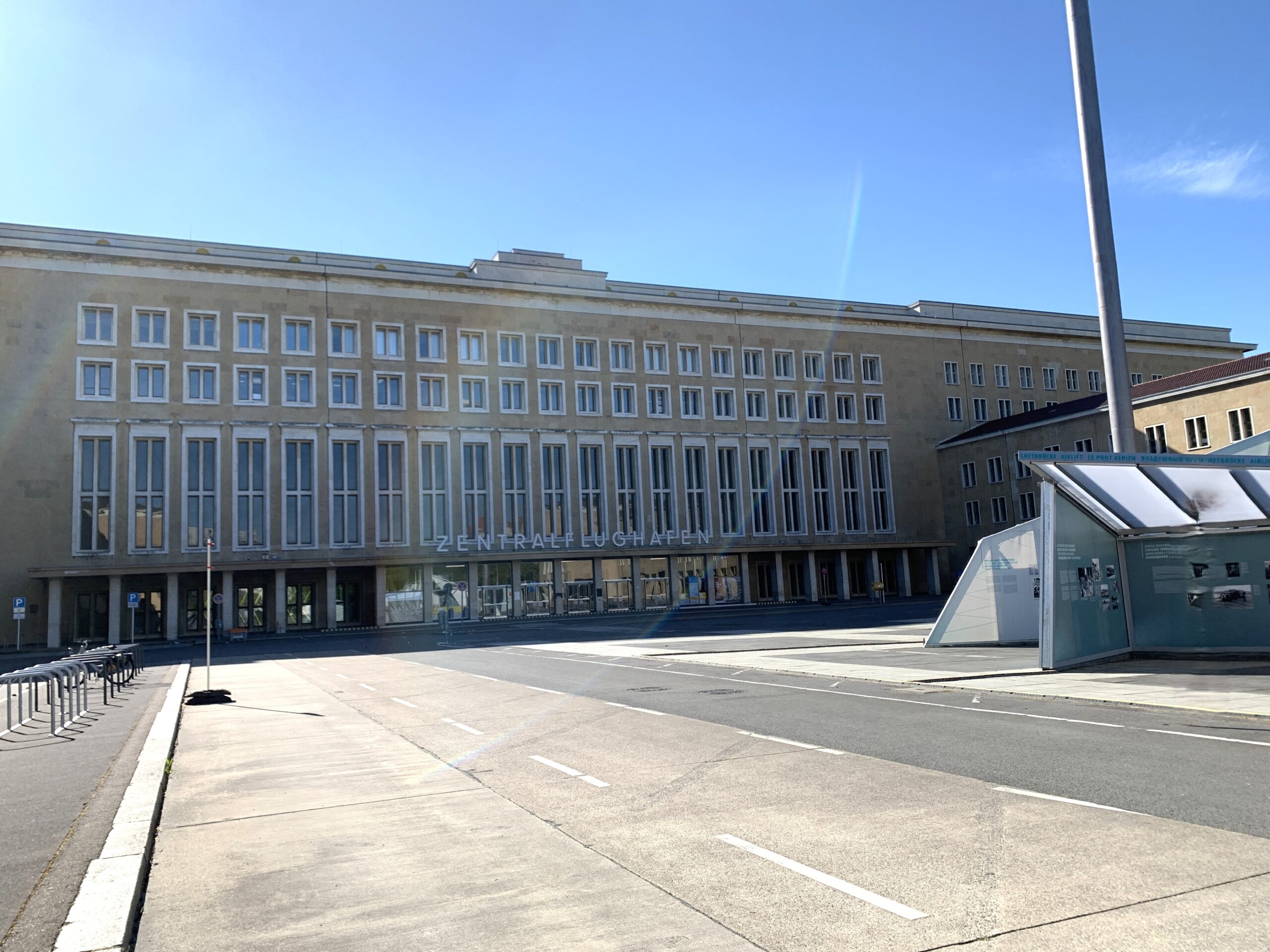
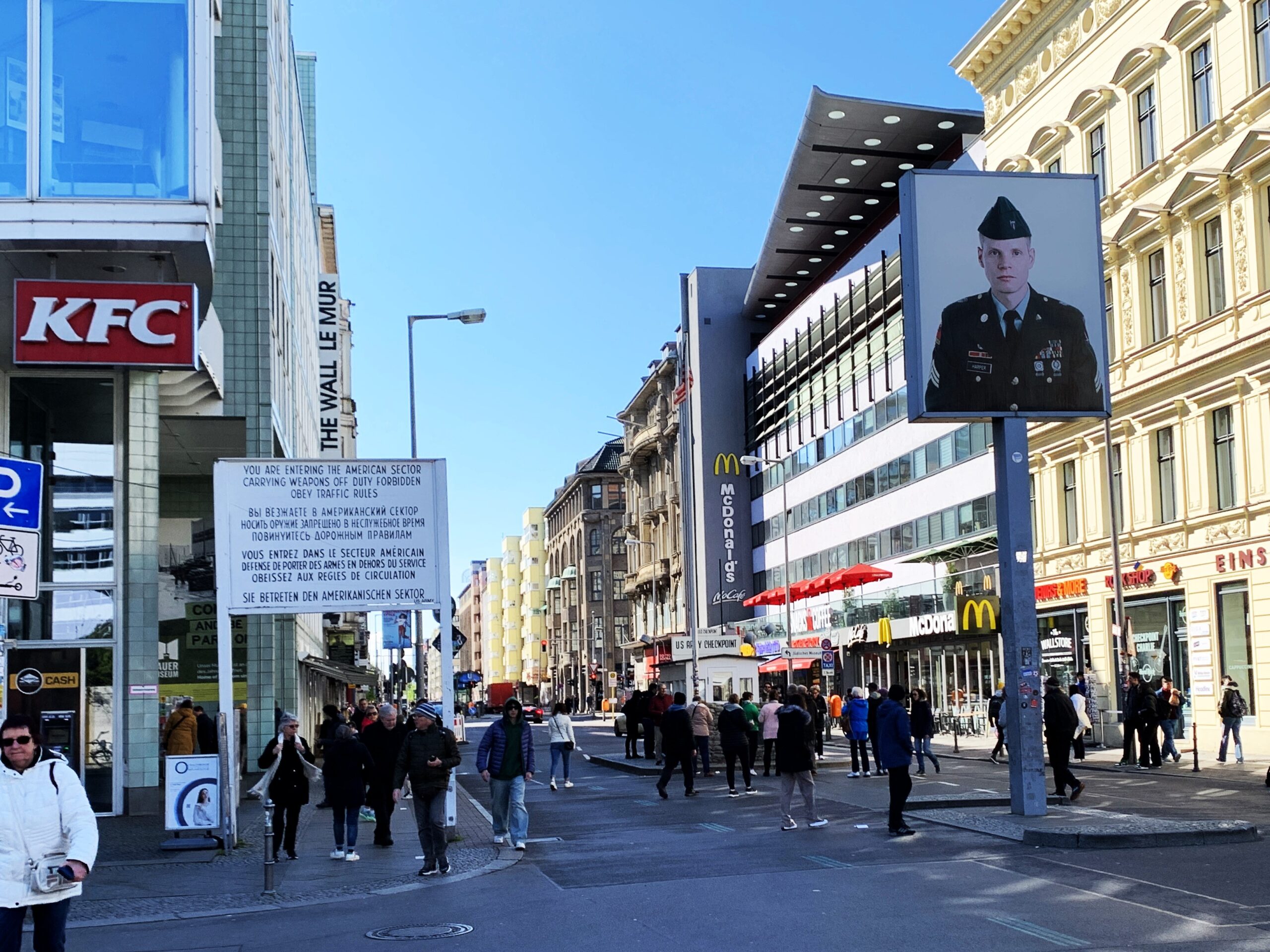
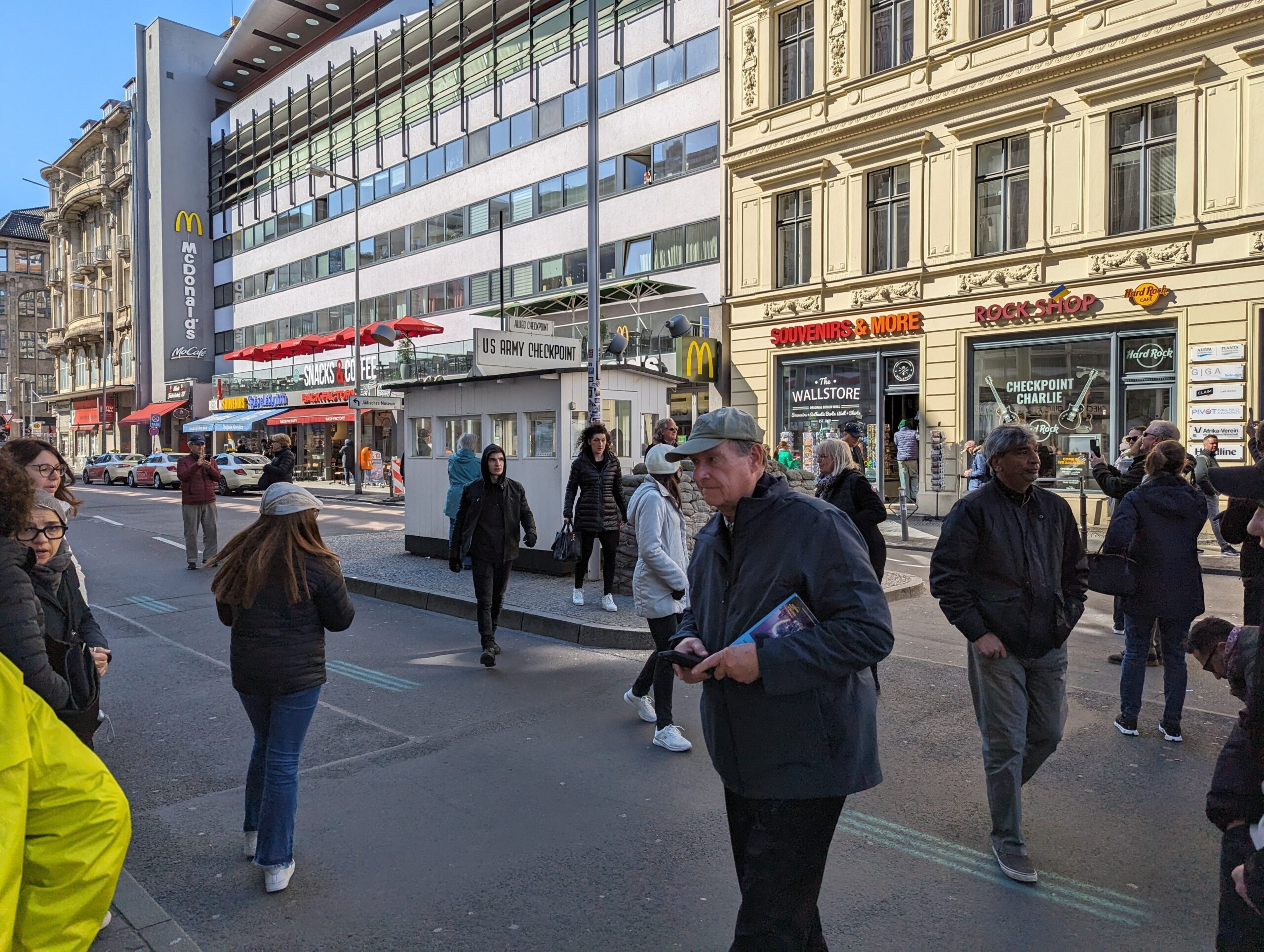
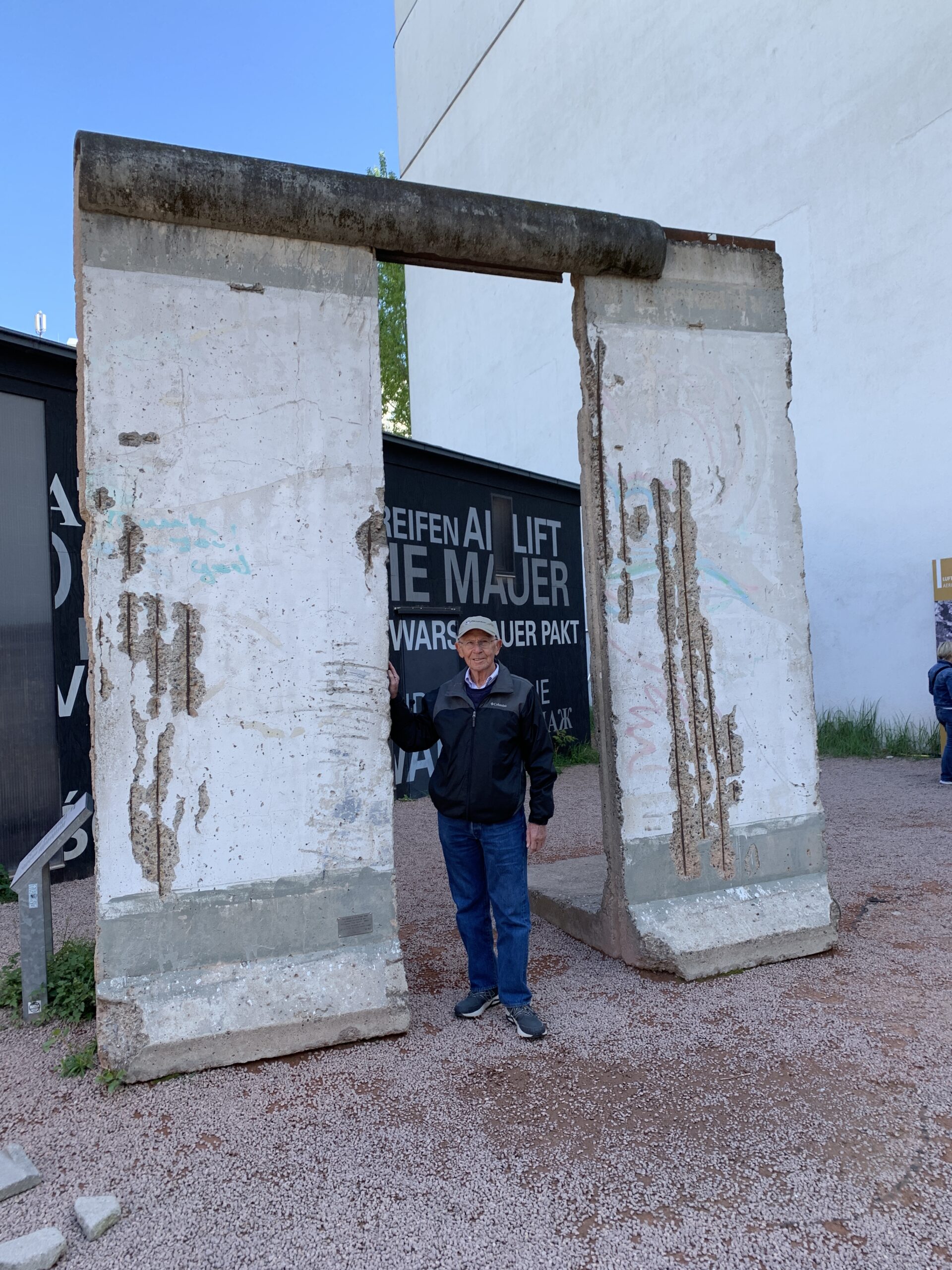
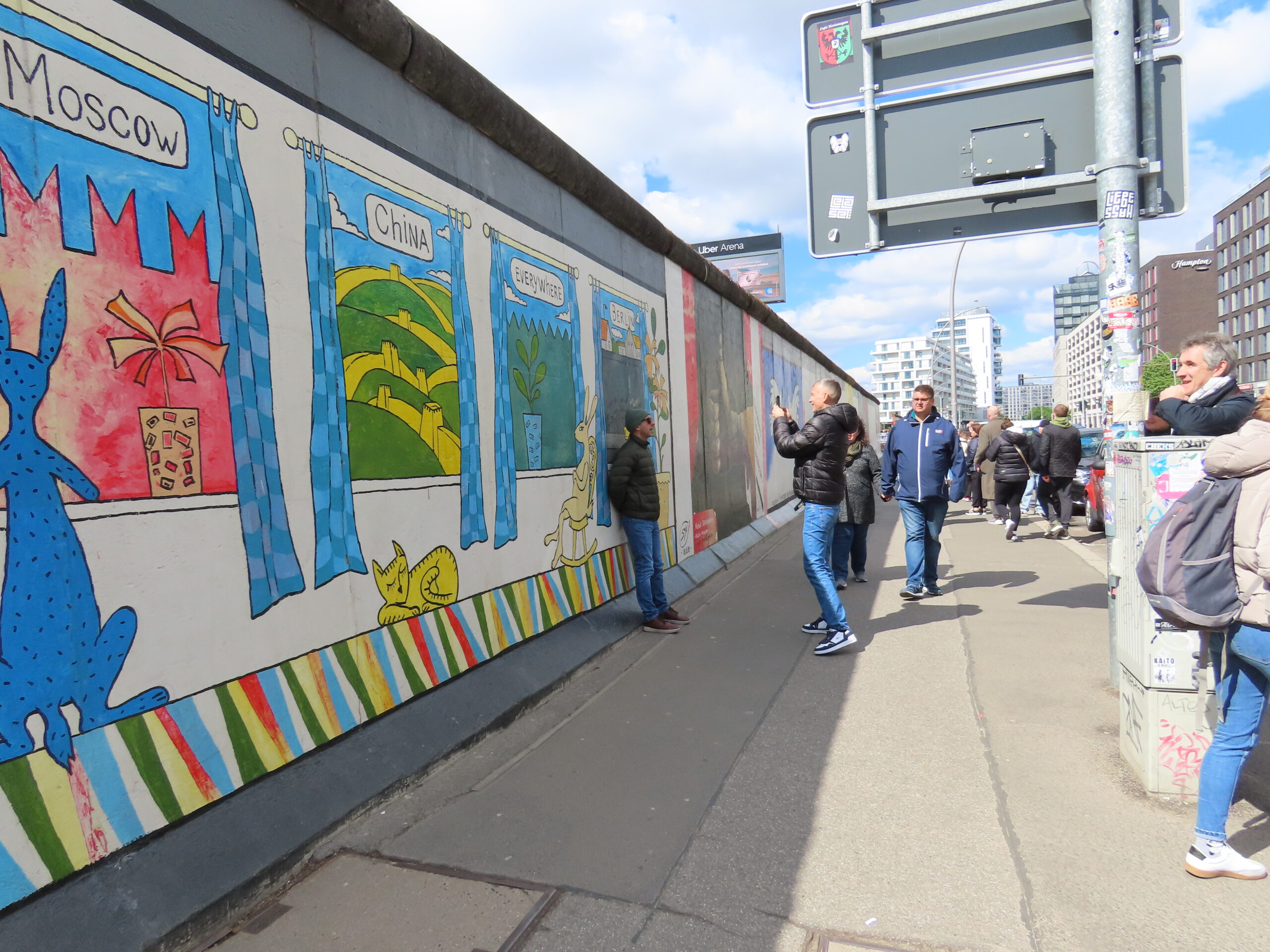
On our last day in Berlin, we embarked on another tour of the city - this time in the daylight. We explored numerous landmarks and gained substantial insight into the post-World War II era. The visit to Zentral Flughafen (Central Airport), which served as a base for American and British aircraft during the Berlin Airlift, was particularly enlightening, showcasing America's role in preventing starvation in East Berlin. Checkpoint Charlie was intriguing as well. Despite its touristy nature, we viewed the historic crossing point for vehicles during the Soviet occupation of East Germany. While much of the Berlin Wall has been removed, a preserved section stands as an art gallery.
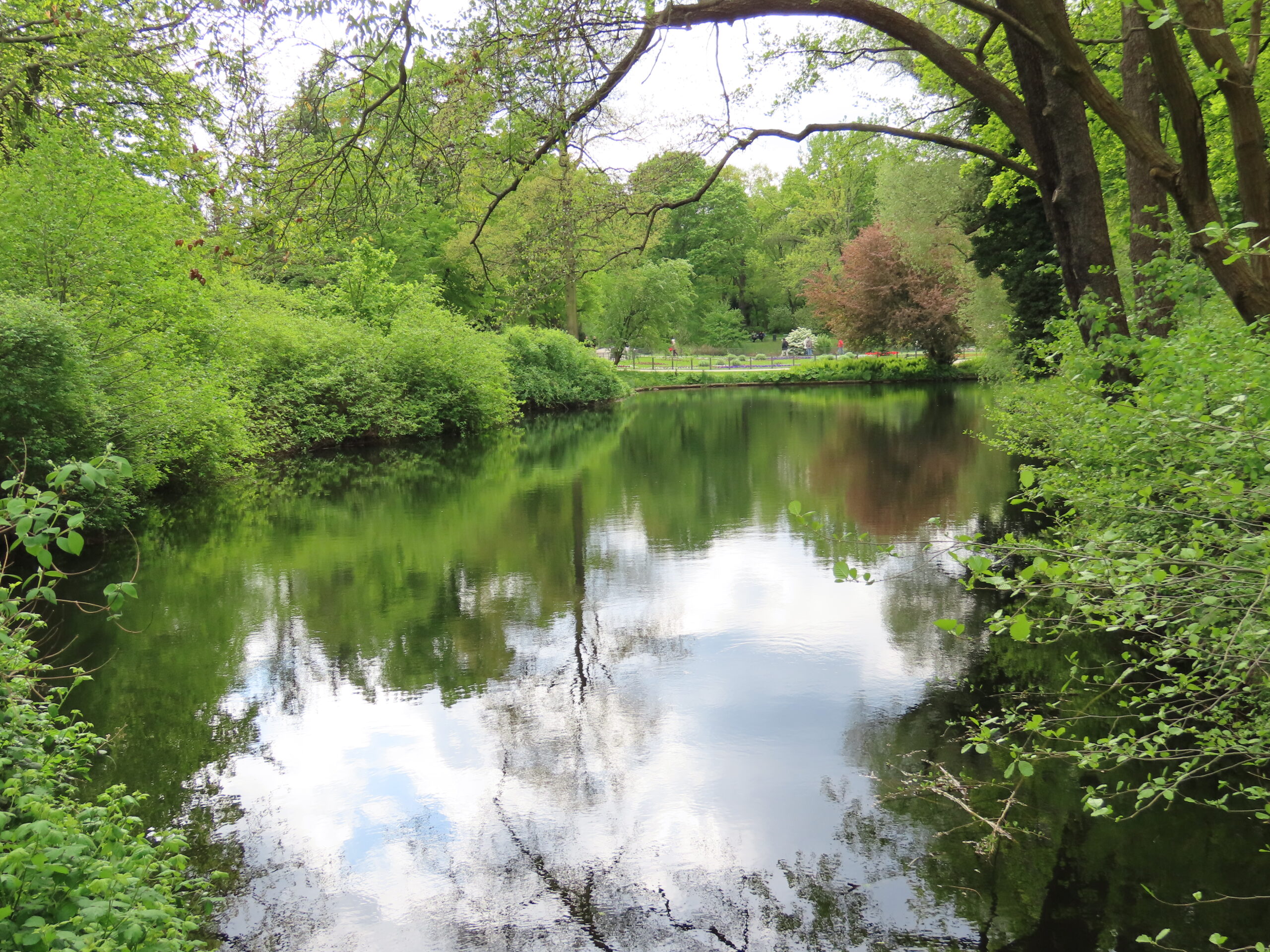
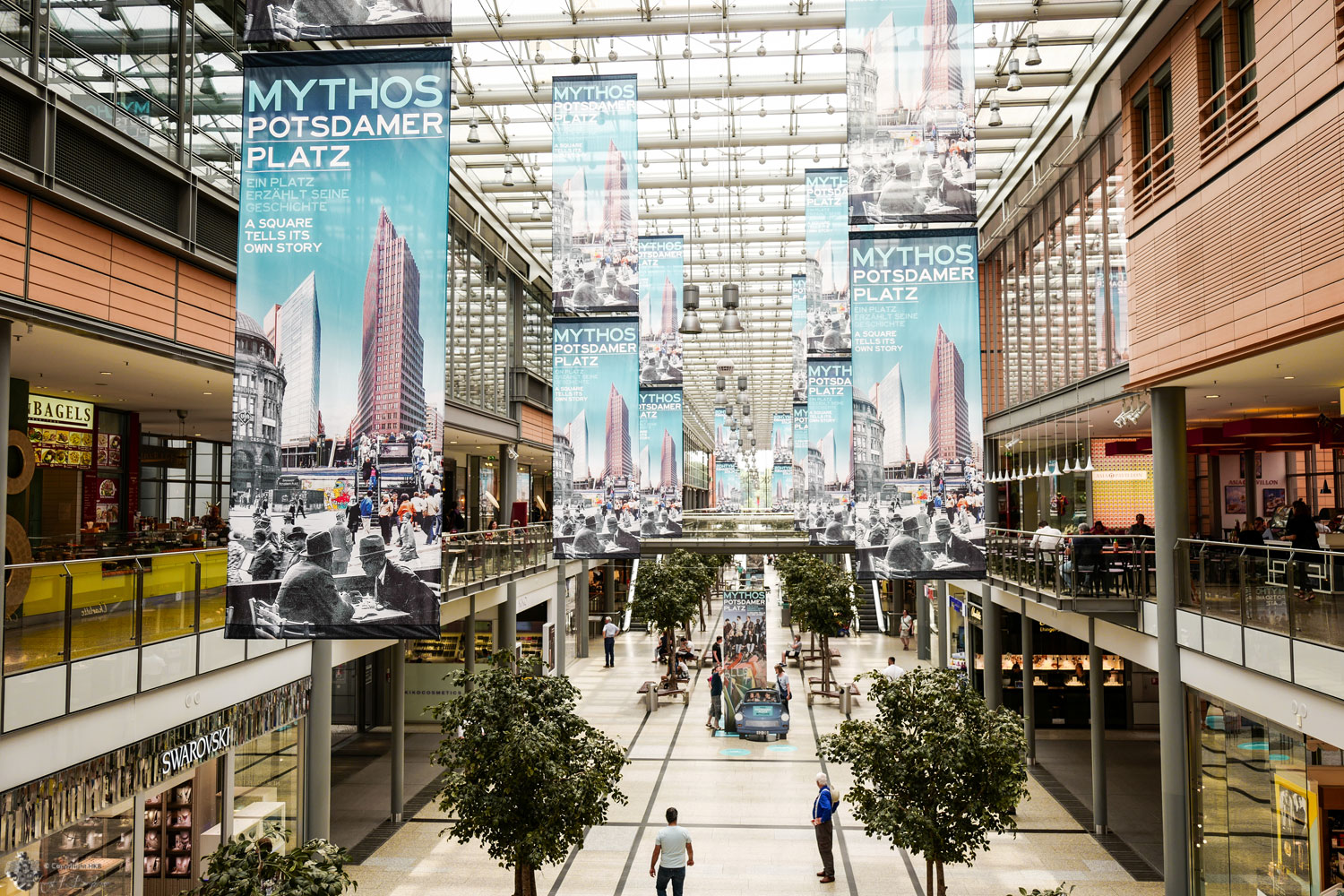
That afternoon, we took a leisurely stroll through Tiergarten, the expansive park in Berlin that once served as royal hunting grounds. We capped off our visit with dinner at a bustling mall across the street, a fitting finale to our time in the city.